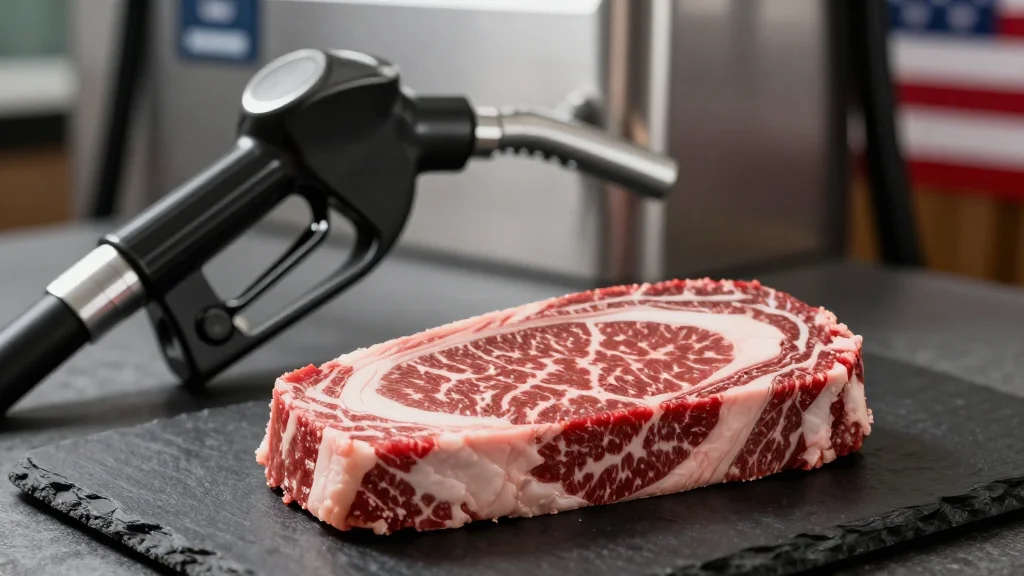
Trump Takes Aim at Beef, Fuel Prices as Inflation Risks Mount
Why It Matters
Lowering beef and fuel costs could ease household inflation pressures and bolster Republican electoral prospects, while testing the administration’s ability to influence policy without congressional approval.
Key Takeaways
- •Trump plans executive orders to lower beef prices via import expansion
- •Proposed suspension of 18.4‑cent gasoline tax could cut pump price 10‑16¢
- •US cattle herd at 75‑year low, driving food‑price inflation
- •Senator Hawley introduces bill to pause both gasoline and diesel taxes
- •Bipartisan Policy Center estimates tax pause saves consumers up to 16¢ per gallon
Pulse Analysis
Inflation remains a top concern for American voters, and President Trump’s latest agenda reflects a strategic effort to address two of the most visible price drivers: food and fuel. By targeting beef, the administration seeks to alleviate a supply bottleneck caused by a 75‑year‑low cattle herd, which has pushed meat prices to record highs. The proposed suspension of the tariff‑rate quota would allow unlimited imports from all beef‑exporting nations, potentially increasing supply and lowering retail prices. This approach also dovetails with an ongoing Justice Department antitrust probe into meatpackers, signaling a broader push to reshape the industry’s competitive landscape.
On the energy front, Trump’s call for a temporary halt to the 18.4‑cent federal gasoline tax—and the parallel 24.4‑cent diesel levy—aims to deliver immediate, though modest, relief at the pump. Research from the Bipartisan Policy Center suggests a tax pause could shave 10 to 16 cents off a gallon, a tangible benefit for commuters facing a national average of $4.52 per gallon after the Middle East conflict disrupted oil flows. However, implementing such a tax holiday requires congressional action, and analysts estimate only a 25% chance of success. Senator Josh Hawley’s pending legislation mirrors the White House’s proposal, highlighting bipartisan interest in short‑term consumer relief.
Politically, these measures are timed to influence the upcoming midterm elections, where inflationary pressures could sway swing voters. By framing the initiatives as direct, consumer‑focused interventions, the Trump administration hopes to shift the narrative from broader macroeconomic challenges to tangible policy wins. If successful, the beef import changes and gas‑tax suspension could set precedents for future executive‑legislative collaborations on price‑stability measures, reinforcing the GOP’s positioning on affordability ahead of the November ballot.
Trump Takes Aim at Beef, Fuel Prices as Inflation Risks Mount
Comments
Want to join the conversation?
Loading comments...