US First-Quarter Growth Rebounds Less than Expected as Inflation Surges
Companies Mentioned
Why It Matters
The data reveal a split‑screen economy where AI‑driven investment sustains growth, but rising energy costs and waning consumer spending threaten broader momentum and could shape fiscal and monetary policy ahead of the midterms.
Key Takeaways
- •Q1 GDP grew 2.0% annualized, missing 2.2% forecast
- •Consumer spending slowed to 1.6% annual rate
- •Core PCE inflation rose to 3.2% YoY in March
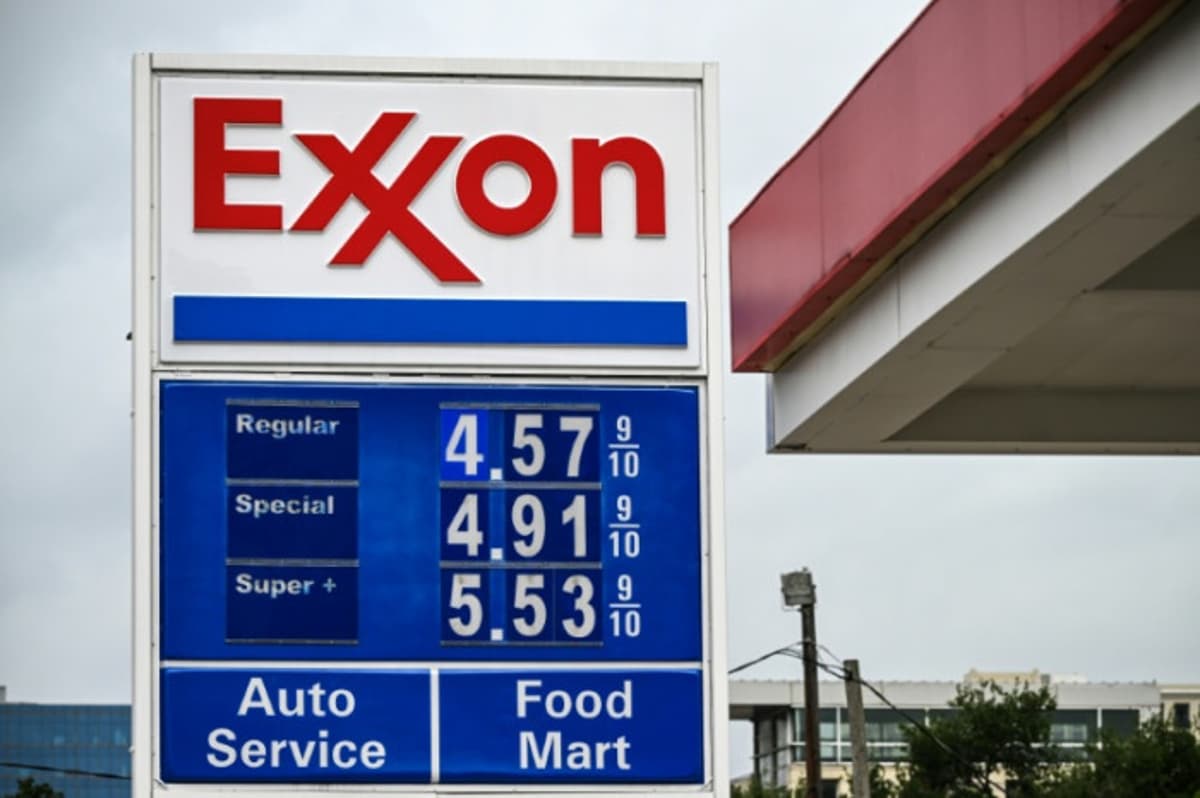
- •Gasoline averaged $4.30 per gallon, up on Middle East tensions
- •AI‑related capital expenditure fuels most of the investment boost
Pulse Analysis
The first‑quarter GDP report underscores how artificial‑intelligence spending is now a primary engine of U.S. growth. After a sluggish end to 2025, AI‑centric firms and venture‑backed projects injected a surge of capital that lifted overall investment figures, allowing the economy to post a 2.0% annualized expansion. Yet this boost masks a broader slowdown in consumer demand, which grew at just 1.6% and reflects tighter household budgets as wages lag behind rising costs. Policymakers and investors are watching whether the AI boom can offset the drag from weaker personal consumption.
Inflationary pressure intensified in March, with the Fed‑preferred PCE price index climbing to 3.5% year‑over‑year and core PCE—excluding food and energy—hitting 3.2%. The spike is largely traceable to soaring energy prices after geopolitical friction in the Strait of Hormuz, which pushed the national average gasoline price to $4.30 per gallon. Higher fuel costs ripple through transportation, food production, and logistics, eroding real disposable income for middle‑class families already coping with modest wage growth. The inflation trajectory suggests the Federal Reserve may face renewed pressure to keep rates elevated, complicating the balance between curbing price gains and sustaining growth.
Looking ahead, the U.S. economy faces a bifurcated outlook. While AI‑driven capital expenditures could sustain a modest growth floor, the combination of elevated energy prices, subdued consumer confidence, and dwindling pandemic‑era savings creates a fragile consumption base. Politically, the split‑screen performance adds risk for the incumbent party as voters grapple with higher living costs ahead of the November midterms. Market participants are likely to price in a cautious stance from the Fed, while investors may tilt toward sectors less exposed to energy volatility and more aligned with the AI innovation wave.
US first-quarter growth rebounds less than expected as inflation surges
Comments
Want to join the conversation?
Loading comments...