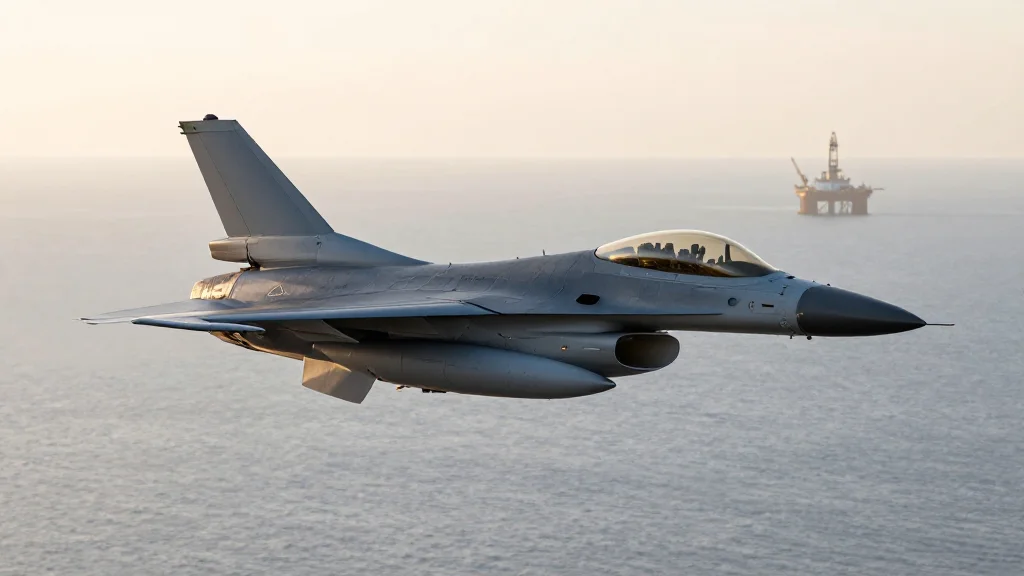
U.S. Launches New Strikes on Iran Targeting Missile Sites and Mine‑Laying Boats

Why It Matters
The strikes illustrate how geopolitical flashpoints can quickly translate into economic volatility. A sudden uptick in oil prices would raise gasoline costs for American consumers and could erode real wages, while added defense spending would pressure the federal budget at a time when fiscal discipline is already a political flashpoint. Moreover, currency markets react sharply to perceived risk, as seen in the New Zealand dollar’s dip, highlighting the broader spillover effects of Middle‑East tensions on global finance. For policymakers, the episode forces a balancing act between maintaining credible deterrence and avoiding an escalation that could destabilise energy markets and inflate the national debt. The outcome of the upcoming diplomatic outreach will shape not only regional security but also the trajectory of U.S. economic growth in the latter half of 2026.
Key Takeaways
- •U.S. air strikes hit Iranian missile launch sites in southern Iran on May 26, 2026.
- •Boats attempting to lay naval mines were also targeted, according to the Pentagon.
- •Iran called the attacks defensive actions and warned of retaliation.
- •The New Zealand dollar fell in Asian trading as risk sentiment soured.
- •Analysts warn oil prices could rise above $85 per barrel if the conflict expands.
Pulse Analysis
The latest U.S. strikes on Iran revive a pattern of kinetic pressure that Washington has used to extract concessions from Tehran since the 2015 nuclear deal collapsed. Historically, each flare‑up has been accompanied by a short‑term spike in oil prices, but the market’s reaction this time appears muted, suggesting that investors have already priced in a higher baseline of Middle‑East risk. The New Zealand dollar’s dip is a micro‑indicator of broader currency market anxiety; similar moves in the yen and the euro could follow if the conflict deepens.
From a fiscal perspective, the operation adds incremental costs to an already stretched defense budget. The Department of Defense’s annual budget request for FY27 already reflects heightened spending on the Indo‑Pacific and cyber capabilities. Adding a Middle‑East contingency could force trade‑offs elsewhere, potentially delaying infrastructure projects or social programs that are politically sensitive.
Strategically, the U.S. is walking a tightrope. While the strikes demonstrate resolve, they also risk entangling American forces in a protracted engagement that could drain resources and erode public support. The upcoming diplomatic outreach will be a litmus test for Washington’s ability to leverage military pressure without triggering a broader war. If successful, the U.S. could secure a modest concession from Tehran and stabilize oil markets; if not, the economic fallout could reverberate through consumer prices, fiscal balances, and global financial stability.
U.S. Launches New Strikes on Iran Targeting Missile Sites and Mine‑Laying Boats
Comments
Want to join the conversation?
Loading comments...