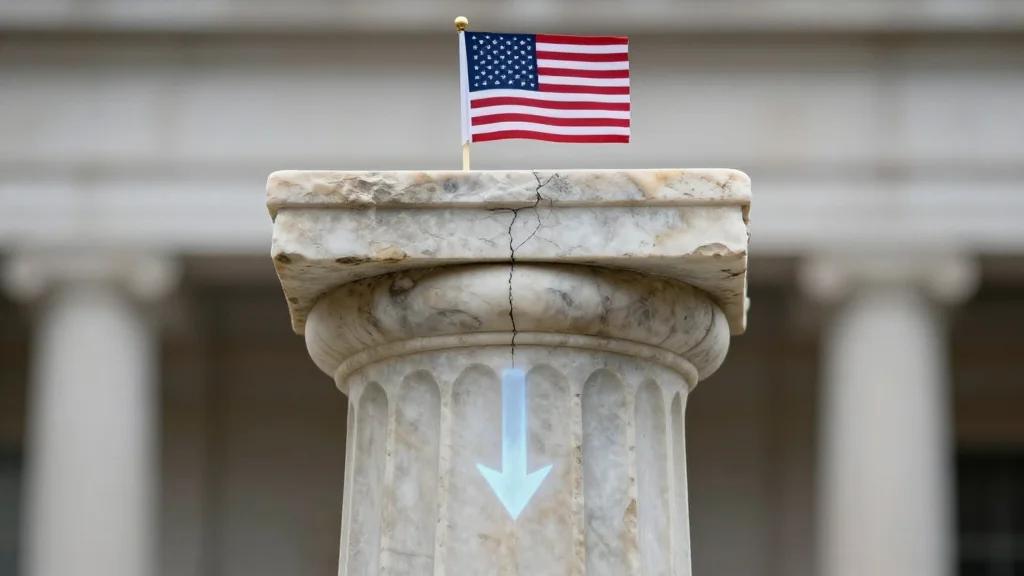
U.S. Q1 2026 GDP Grows 0.5% Annualized Amid Shutdown and Middle‑East Tensions

Why It Matters
The first‑quarter GDP figure serves as a barometer for the broader U.S. economic cycle. A slowdown to 0.5% annualized growth suggests that the recovery from the pandemic‑era disruptions is losing steam, especially as fiscal headwinds and geopolitical risk re‑emerge. Policymakers will weigh this data when calibrating monetary policy, while businesses assess consumer confidence and export prospects. For investors, the mixed signals underscore the importance of monitoring both domestic fiscal developments and overseas security dynamics. A prolonged government shutdown or escalation in the Middle East could further erode growth, prompting a reassessment of risk across equities, bonds, and the dollar.
Key Takeaways
- •U.S. real GDP grew 0.5% annualized in Q1 2026, down from 4.4% in Q4 2025
- •Government consumption expenditures fell 5.6% due to a partial federal shutdown
- •Personal consumption increased 1.9%, a slowdown from 3.5% in the prior quarter
- •Export contribution to growth slipped by 0.2 percentage points amid Iran‑related tensions
- •S&P 500 rose 0.3% after the release, while the dollar index fell 0.2%
Pulse Analysis
The Q1 2026 GDP report highlights how quickly fiscal and geopolitical shocks can translate into measurable macroeconomic outcomes. The 5.6% plunge in government spending is a reminder that even a partial shutdown can shave off a full percentage point from overall growth, a magnitude not seen since the early pandemic years. While the Federal Reserve has been cautious about tightening, the data may give the central bank room to pause rate hikes, especially if inflation remains anchored.
Historically, periods of fiscal uncertainty have coincided with heightened market volatility. The current environment mirrors the 2013 government shutdown, when GDP growth slowed but rebounded once operations resumed. However, the added layer of Middle‑East tension introduces a supply‑chain risk that could linger longer than a domestic shutdown. Export‑dependent sectors such as aerospace and agricultural commodities may see sustained pressure if shipping lanes remain disrupted.
Looking forward, the trajectory of Q2 will be pivotal. If the shutdown ends and diplomatic channels ease, we could see a rebound in both government outlays and export demand, potentially restoring growth to the mid‑single‑digit range. Conversely, a protracted geopolitical standoff could keep the economy tethered to sub‑1% annualized growth, prompting a more dovish stance from the Fed and a shift in investor allocation toward defensive assets.
U.S. Q1 2026 GDP Grows 0.5% Annualized Amid Shutdown and Middle‑East Tensions
Comments
Want to join the conversation?
Loading comments...