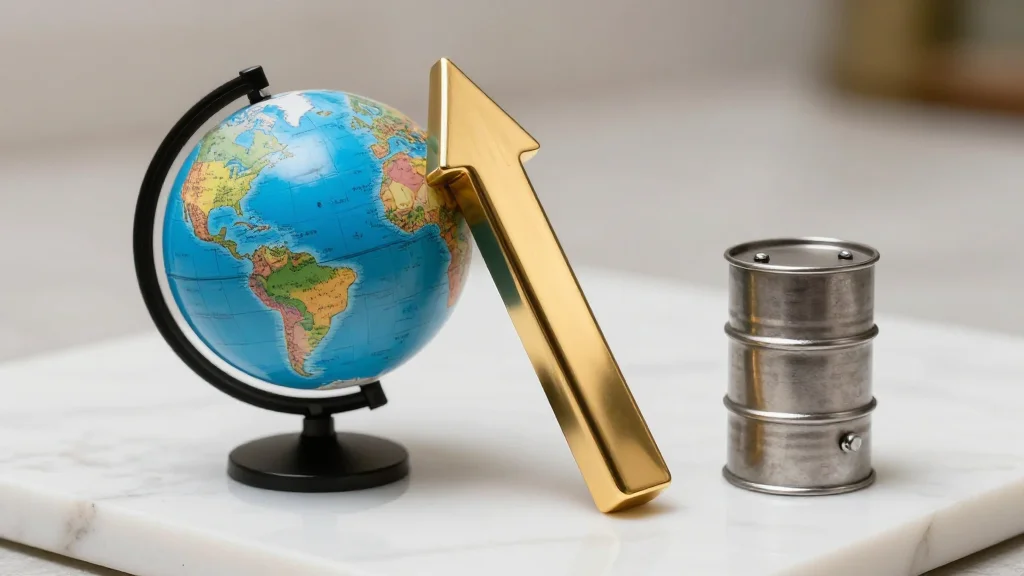
U.S. Q1 2026 GDP Grows 2% Annualized, Yet Headwinds Loom

Why It Matters
A 2 percent annualized growth rate signals that the U.S. economy has avoided a recession after a sluggish end to 2025, providing a tentative boost to confidence among businesses and investors. However, the data also highlight the fragility of that recovery; rising oil prices and the Iran conflict could quickly erode the modest gains, forcing the Federal Reserve to keep rates higher for longer and potentially dampening consumer spending. The divergence between strong investment and lagging consumer demand underscores a structural shift that could shape fiscal and monetary policy through the rest of the year. Policymakers will need to balance the desire to sustain growth with the imperative to contain inflation, a dilemma that could influence everything from interest‑rate decisions to budget allocations for defense and energy security.
Key Takeaways
- •U.S. real GDP grew 2% annualized in Q1 2026, up from 0.5% in Q4 2025
- •Growth was driven by business investment, exports and government spending
- •Personal consumption expenditures price index rose to 4.5% from 2.9%
- •Oil prices stayed above $100 per barrel, adding cost pressures
- •Economists warn the Iran war and higher energy costs could cap growth for the rest of 2026
Pulse Analysis
The 2 percent pace marks the first time since early 2024 that the U.S. economy has posted a growth rate above the 1.5‑2 percent range that the Federal Reserve typically deems "soft landing" material. Historically, such a rebound after a sub‑1 percent quarter has been a leading indicator of a more sustained expansion, provided external shocks are limited. In the current cycle, however, the geopolitical risk premium is unusually high. The Iran conflict not only threatens oil supply but also forces the Fed to weigh security considerations alongside inflation targets, a dynamic not seen in the post‑2008 recovery.
From a market perspective, the data have already filtered into equity valuations. Sectors tied to discretionary spending remain under pressure, while capital‑intensive industries such as data‑center equipment and defense have benefited from the investment surge. If the Fed maintains a cautious stance, we may see a bifurcated market where growth‑oriented stocks rally on earnings optimism while rate‑sensitive assets like real estate REITs stay subdued.
Looking ahead, the second‑estimate GDP report and the Fed's upcoming policy meeting will be pivotal. A stronger revision could embolden the central bank to consider a modest rate cut, but any sign of persistent inflation or escalation in the Middle East could lock rates in place, extending the period of higher borrowing costs for consumers and businesses alike. The trajectory of U.S. growth this year will therefore hinge as much on diplomatic outcomes as on domestic fiscal choices.
U.S. Q1 2026 GDP Grows 2% Annualized, Yet Headwinds Loom
Comments
Want to join the conversation?
Loading comments...