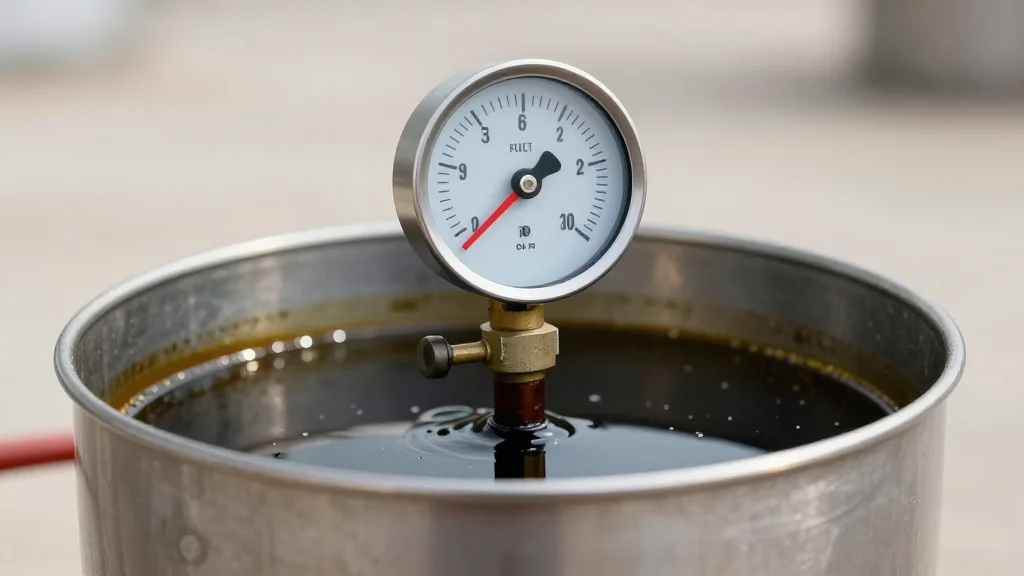
U.S. Strategic Petroleum Reserve Near Historic Low as Oil Supply Tightens

Companies Mentioned
Why It Matters
The SPR’s historic low underscores a fragile energy security posture that directly affects U.S. inflation, consumer spending, and the broader macroeconomic outlook. Elevated gasoline prices erode disposable income, especially for lower‑income households, while higher Brent crude feeds into transportation and manufacturing costs across the economy. For policymakers, the situation creates a dilemma: balancing short‑term market stabilization with long‑term strategic investments in reserve capacity, diversified import routes, and domestic production. Beyond domestic concerns, the depletion reverberates through global markets. As the United States’ emergency buffer shrinks, oil‑importing nations face heightened volatility, and the risk of a price spike could ripple into emerging‑market debt servicing and trade balances. The episode also highlights the geopolitical stakes of the Strait of Hormuz, where any further disruption could amplify supply shocks and force a rapid reassessment of global energy interdependence.
Key Takeaways
- •U.S. Strategic Petroleum Reserve fell to 357.1 million barrels in early June, its lowest level since 1983
- •Brent crude projected at $150‑$160 per barrel amid supply cuts and geopolitical tension
- •U.S. gasoline prices have risen roughly 50% since late February
- •U.S. crude exports rose >30% to 5.2 million barrels per day in April despite domestic inventory declines
- •Energy Secretary Chris Wright admitted the U.S. is unprepared to secure tanker passage through the Strait of Hormuz
Pulse Analysis
The rapid drawdown of the SPR signals a turning point in U.S. energy policy. Historically, the reserve served as a shock absorber during crises, but the current depletion reveals a structural mismatch between the size of the buffer and the scale of modern supply disruptions. The 172‑million‑barrel release, combined with the IEA’s emergency draw, was a blunt instrument that temporarily steadied prices but left the system exposed.
Looking ahead, the United States faces three strategic choices. First, it can accelerate the refill of the SPR, but doing so requires sustained surplus production—a commodity that remains volatile given ongoing geopolitical risks. Second, policymakers could pursue legislative reforms to expand the reserve’s authorized capacity, a move that would entail significant capital outlays and environmental permitting challenges. Third, the U.S. could diversify its supply security by investing in alternative routes, such as overland pipelines from Canada or strategic stockpiles of refined products, thereby reducing reliance on a single chokepoint like the Strait of Hormuz.
In the short term, the energy crunch is likely to keep inflationary pressures alive, complicating the Federal Reserve’s path toward rate normalization. Higher fuel costs will feed into core CPI components, potentially delaying any easing of monetary policy. Moreover, the episode may reshape investor sentiment toward energy equities, favoring companies with robust upstream exposure and those positioned to benefit from higher commodity prices. The broader lesson for the U.S. economy is clear: energy security is no longer a peripheral concern but a central pillar of macro‑economic stability, demanding coordinated action across the Treasury, Energy Department, and Congress.
U.S. Strategic Petroleum Reserve Near Historic Low as Oil Supply Tightens
Comments
Want to join the conversation?
Loading comments...