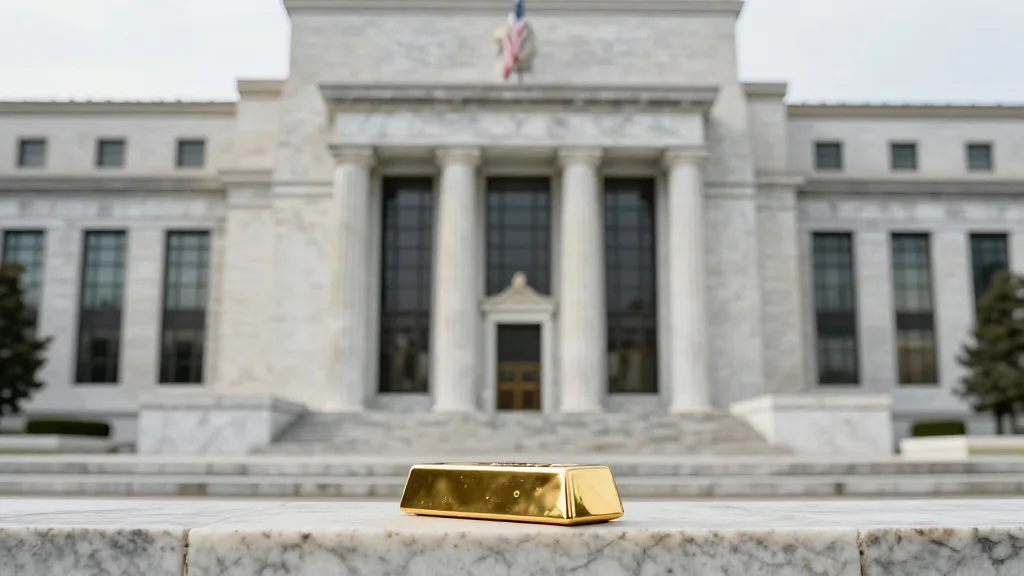
What’s Happening at the Federal Reserve Today.
Companies Mentioned
Why It Matters
A confirmed Warsh could shift monetary policy toward a smaller balance sheet and lower rates, influencing borrowing costs across the economy. The rate‑hold decision signals the Fed’s cautious stance amid rising inflation and geopolitical uncertainty.
Key Takeaways
- •Senate panel advances Kevin Warsh, clearing path to Fed chair
- •Fed likely to hold rates steady at 3.5‑3.75% in June
- •War in Iran could push energy prices 24%, fueling inflation
- •Mortgage rates slipped to 6.23% while credit‑card rates hover 19.6%
- •Warsh proposes shrinking the Fed’s $6 trillion balance sheet
Pulse Analysis
The Federal Reserve stands at a crossroads as political and economic pressures converge. Kevin M. Warsh, a former governor from 2006 to 2011, has cleared a pivotal Senate hurdle, positioning him to replace Jerome Powell after the May 15 deadline. Warsh’s nomination, backed by President Trump, raises questions about the future of the Fed’s independence, especially given his stated intent to trim the central bank’s $6 trillion balance sheet and coordinate more closely with the Treasury. Analysts watch closely for any signals that the new chair might recalibrate the institution’s long‑standing quantitative‑tightening roadmap.
On the policy front, the Fed is poised to keep its benchmark rate in the 3.5‑3.75% corridor for a third straight meeting, reflecting a “wait‑and‑see” approach amid mixed data. Inflation has nudged upward, driven by a World Bank‑forecasted 24% surge in energy prices linked to the protracted Iran conflict, while the labor market shows only modest softening. This dual pressure forces policymakers to balance price stability against growth concerns, leaving the door open for a future rate increase if inflation proves sticky, but also keeping cuts off the table for now.
For households and businesses, the Fed’s stance translates into a steady borrowing environment. Mortgage rates have edged down to 6.23%, offering a modest reprieve for homebuyers, while credit‑card and auto‑loan rates remain elevated, constraining consumer spending. Should Warsh’s balance‑sheet reduction plan materialize, it could eventually lower long‑term yields and ease financing costs, but the transition carries risks of market volatility. In the near term, the Fed’s cautious posture underscores the broader uncertainty that geopolitical shocks and a pending leadership change inject into the U.S. economic outlook.
What’s happening at the Federal Reserve today.
Comments
Want to join the conversation?
Loading comments...