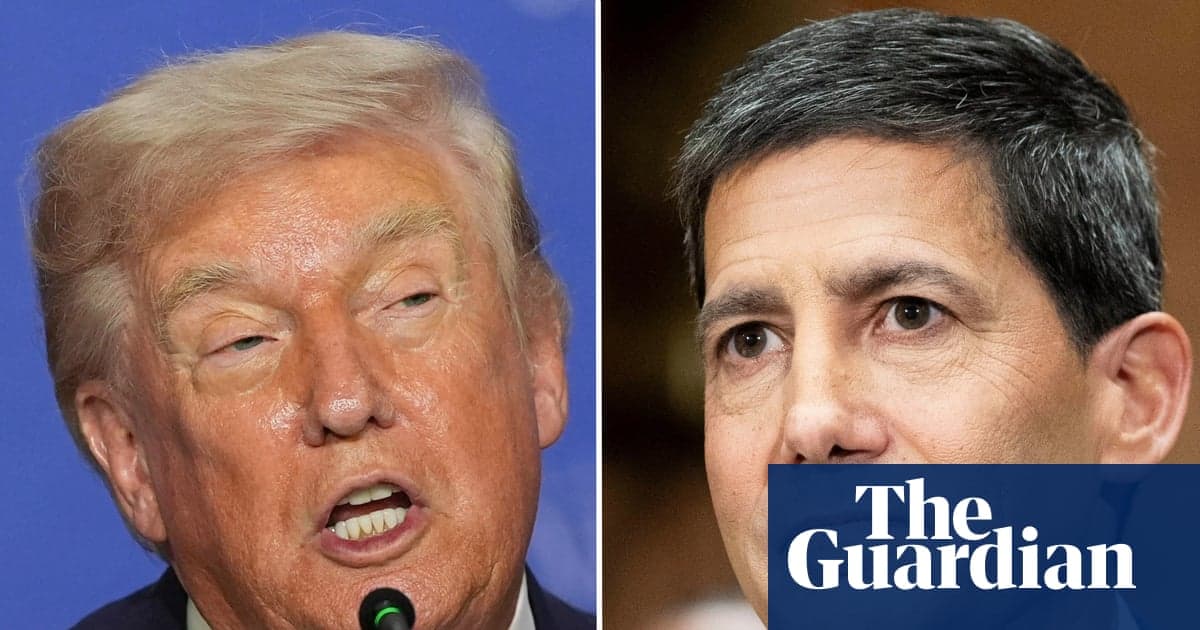
Why Trump’s Pick for Fed Chair Will Not Bring Home the Bank for the President
Why It Matters
Control over the Fed would let Trump steer monetary policy to his political agenda, potentially destabilizing inflation expectations. The analysis underscores the limits of presidential influence on central banking, preserving market confidence.
Key Takeaways
- •Kevin Warsh, Trump’s pick, faces opposition from Fed’s 11‑member committee.
- •Warsh argues AI‑driven productivity can justify rate cuts despite inflation.
- •Trump's tariff and immigration policies tighten labor supply, raising inflation pressures.
- •Fed reform proposals aim to increase presidential control over monetary policy.
- •Historical parallels show productivity booms rarely lead to sustained low rates.
Pulse Analysis
The Federal Reserve’s independence has long been a bulwark against short‑term political whims, and the Warsh nomination tests that tradition. Warsh, a former governor known for his hawkish stance under the Obama administration, now touts a narrative that AI‑driven productivity can offset persistent inflation. By positioning himself as a technocratic ally of President Trump, he hopes to translate a political win into monetary policy influence, but the Federal Open Market Committee’s 11‑member composition still requires broad consensus, limiting any unilateral agenda.
Proponents of the AI argument point to the late‑1990s Greenspan era, when a tech boom was used to justify a more accommodative stance. However, recent data from the Bureau of Labor Statistics show no measurable productivity surge from AI deployments, and investment in data centers is inflating demand for electricity and chips, feeding price pressures rather than easing them. The disconnect between hype and hard numbers weakens Warsh’s case, especially as the economy grapples with supply‑side constraints from tariffs and a shrinking labor pool caused by tighter immigration enforcement.
If Trump were to secure a Fed chair aligned with his preferences, the broader market would likely react with heightened volatility, fearing policy‑driven rate cuts that could undermine inflation targets. Yet the judiciary’s recent resistance to dismissing Fed governors and the structural safeguards that keep regional bank presidents off‑balance the president’s influence. In practice, the Fed is expected to continue a data‑driven path, balancing growth, inflation, and financial stability, while political overtures remain peripheral. This dynamic preserves investor confidence and underscores why central bank autonomy remains a cornerstone of the U.S. financial system.
Why Trump’s pick for Fed chair will not bring home the bank for the president
Comments
Want to join the conversation?
Loading comments...