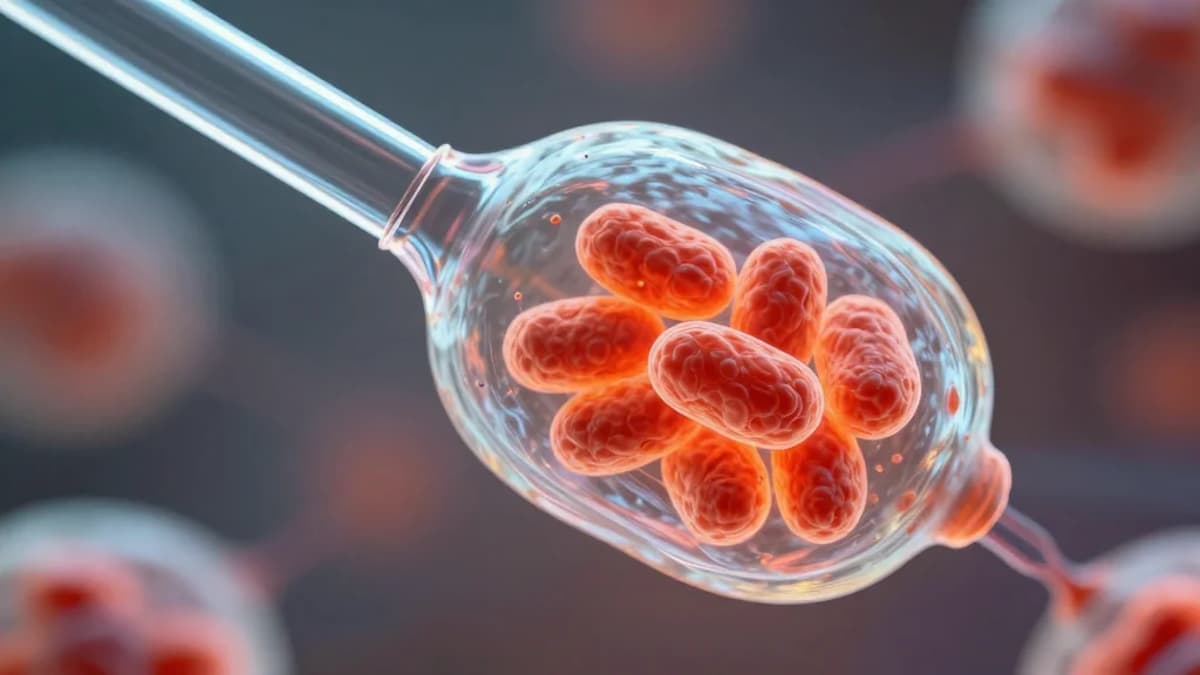
A Better View of How Cells Take Up Mitochondria to Restore Function
•March 11, 2026

0
Key Takeaways
- •MSCs internalize isolated mitochondria via multiple endocytic pathways
- •Internalized mitochondria remain structurally intact and functional
- •Treated MSCs show increased proliferation and stress resilience
- •Oxygen consumption rates rise, indicating enhanced bioenergetics
- •Endocytosis inhibition reduces mitochondrial uptake, confirming mechanism
Summary
Researchers have demonstrated that mesenchymal stromal cells (MSCs) can actively internalize isolated, functional mitochondria through endocytic pathways. The study shows that the internalized organelles retain structural integrity and boost cellular proliferation, stress tolerance, and oxygen consumption. Chemical inhibition of endocytosis markedly reduced mitochondrial uptake, confirming the mechanism. These results provide mechanistic insight for improving mitochondrial transplantation therapies.
Pulse Analysis
Mitochondrial dysfunction is a hallmark of cellular aging, contributing to reduced bioenergetic capacity and tissue degeneration. Over the past decade, researchers have explored mitochondrial transplantation as a strategy to replenish aged cells with youthful organelles, aiming to restore metabolic vigor. While early animal studies hinted at therapeutic promise, the lack of a clear mechanistic framework for how recipient cells accept external mitochondria has limited clinical translation and raised questions about safety and efficacy.
The new open‑access study provides concrete evidence that mesenchymal stromal cells employ classic endocytic routes to engulf isolated mitochondria. By labeling mitochondria and tracking their journey, the investigators observed progressive internalization within 24 hours, with the organelles remaining intact inside endosomal compartments before integration into the host’s metabolic network. Functional assays revealed heightened proliferation, improved survival under oxidative stress, and a measurable increase in oxygen consumption rate, confirming that the transplanted mitochondria are bioenergetically active. Importantly, pharmacological blockade of endocytosis sharply curtailed uptake, underscoring the pivotal role of these pathways.
These insights have immediate implications for the burgeoning field of mitochondrial therapeutics. A mechanistic understanding enables biotech firms to design delivery vectors that enhance endocytic efficiency, potentially reducing the dose of mitochondria needed and minimizing immune reactions. Moreover, the findings suggest that patient‑specific MSC platforms could serve as both carriers and targets for mitochondrial augmentation, opening avenues for personalized regenerative medicine. As regulatory agencies evaluate mitochondrial transplantation, data on cellular entry mechanisms will be critical for safety assessments, paving the way for next‑generation treatments for neurodegeneration, cardiac failure, and age‑related metabolic disorders.
Comments
Want to join the conversation?