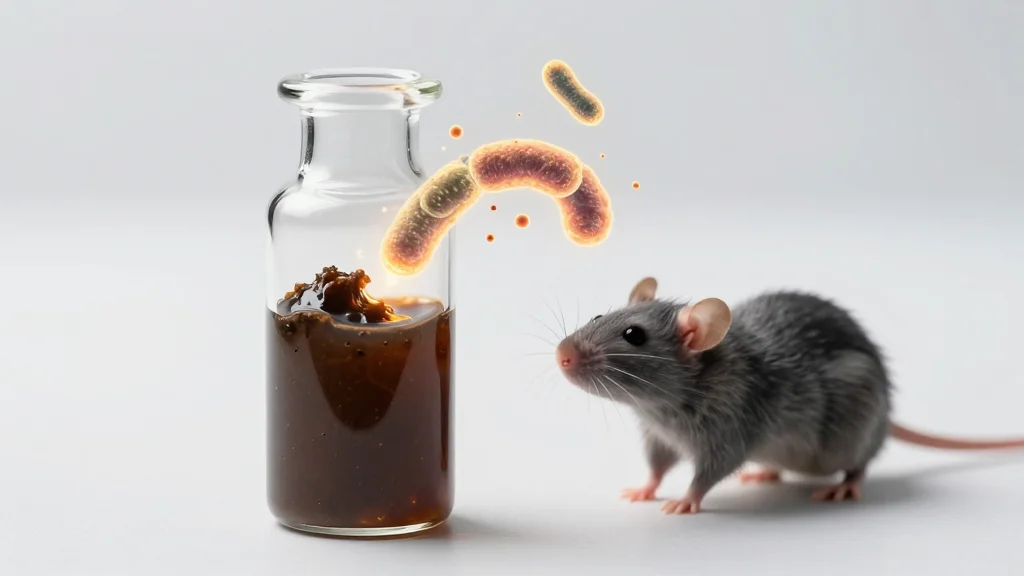
Fecal Microbiota Transplantation Reduces MDM2 Expression and Risk of Liver Cancer

Key Takeaways
- •Young-to-old mouse FMT eliminated liver tumors in study
- •MDM2 protein levels normalized after microbiome rejuvenation
- •Treated mice showed lower inflammation and reduced liver fibrosis
- •Gut microbiome emerges as therapeutic target for age‑related liver cancer
- •Earlier cardiac study linked microbiome shifts to improved heart function
Pulse Analysis
The gut microbiome undergoes profound compositional shifts with age, fostering chronic inflammation and diminishing protective metabolites. These changes have been implicated in a spectrum of age‑related diseases, including hepatic malignancies. Central to liver cancer biology is MDM2, an oncogene that dampens tumor‑suppressor p53 activity. By restoring a youthful microbial ecosystem through fecal microbiota transplantation, researchers observed a down‑regulation of MDM2, effectively re‑activating p53 pathways and curbing tumor initiation.
In the preclinical trial, eight aged mice received fecal slurries sourced from the same cohort when they were young, while control groups received sterilized material. Over the observation period, the FMT cohort showed zero incidence of liver neoplasia, contrasted with a 25% tumor rate in untreated controls. Molecular analyses revealed normalized MDM2 protein levels, attenuated inflammatory cytokines, and reduced fibrotic markers, indicating that microbiome rejuvenation can reverse multiple aging hallmarks at both cellular and tissue levels. These outcomes extend prior findings where microbiome modulation improved cardiac function, underscoring a systemic impact of gut‑liver axis interventions.
Translating these insights to human health could reshape preventive oncology. While FMT is already approved for recurrent Clostridioides difficile infection, its application for age‑related cancer prevention will require rigorous safety profiling, donor‑selection criteria, and standardized dosing regimens. Moreover, deciphering the specific microbial taxa and metabolites responsible for MDM2 suppression may enable targeted probiotic or postbiotic therapies. As the biotech industry invests in microbiome‑centric drug pipelines, this study adds compelling evidence that gut microbial engineering holds promise as a scalable, low‑cost strategy to mitigate liver cancer risk in the aging population.
Fecal Microbiota Transplantation Reduces MDM2 Expression and Risk of Liver Cancer
Comments
Want to join the conversation?