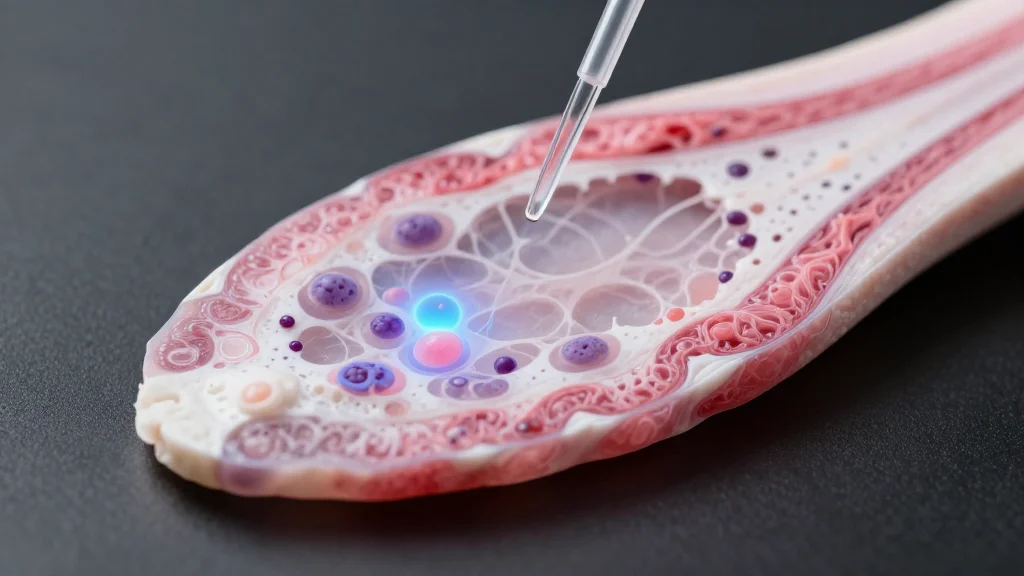
More Evidence for Muscle Stem Cell Activity to Be Inhibited by the Aged Tissue Environment

Key Takeaways
- •Aged mouse extracellular matrix blocks growth of young muscle stem cells.
- •Elevated collagen in aged ECM impairs stem cell proliferation.
- •FGFR1 activation plus anti‑fibrosis drug partially restores muscle mass.
- •Findings suggest environment‑targeted therapies for sarcopenia.
- •Multifactorial approach needed to combat age‑related muscle loss.
Pulse Analysis
The decline of muscle stem cell activity is a central driver of sarcopenia, a condition that threatens the health span of an aging population. While intrinsic defects in satellite cells have long been implicated, recent work highlights the extracellular matrix as an equally potent inhibitor. In aged mice, the ECM becomes collagen‑rich and fibrotic, forming a hostile micro‑environment that prevents even youthful MuSCs from proliferating. This non‑autonomous effect reshapes the therapeutic landscape, shifting focus from cell‑centric strategies to niche‑modulating interventions.
Targeting the tissue environment offers a promising avenue for drug development. The study combined an inducible FGFR1 pathway—restoring intrinsic stem‑cell signaling—with a pharmacologic anti‑fibrosis agent that reduces collagen deposition. The dual approach yielded a measurable increase in muscle mass in elderly mice, suggesting that partial reversal of ECM stiffness can unlock latent regenerative capacity. For biotech firms, this validates a pipeline that couples molecular rejuvenation with extracellular remodeling, potentially accelerating clinical translation for frailty and age‑related muscle wasting.
From a market perspective, the global sarcopenia therapeutics sector is projected to exceed $10 billion by 2030, driven by demographic shifts and rising demand for health‑span solutions. Investors are increasingly scrutinizing platforms that address both cellular and micro‑environmental targets, as they promise broader efficacy and reduced risk of off‑target effects. The new evidence positions ECM‑focused therapies as a critical complement to stem‑cell‑based products, encouraging multi‑modal trial designs and collaborative R&D models that could reshape the anti‑aging industry.
More Evidence for Muscle Stem Cell Activity to be Inhibited by the Aged Tissue Environment
Comments
Want to join the conversation?