The Aged Gut Microbiome Generates Extracellular Vesicles that Harm Tissue Function

Key Takeaways
- •Old mice LFEs enriched with insulin‑resistance proteins and microRNAs
- •Transferring aged LFEs to young mice disrupts gut barrier function
- •Young LFEs partially restore barrier integrity in older mice
- •Sex‑specific differences observed in LFE cargo composition
Pulse Analysis
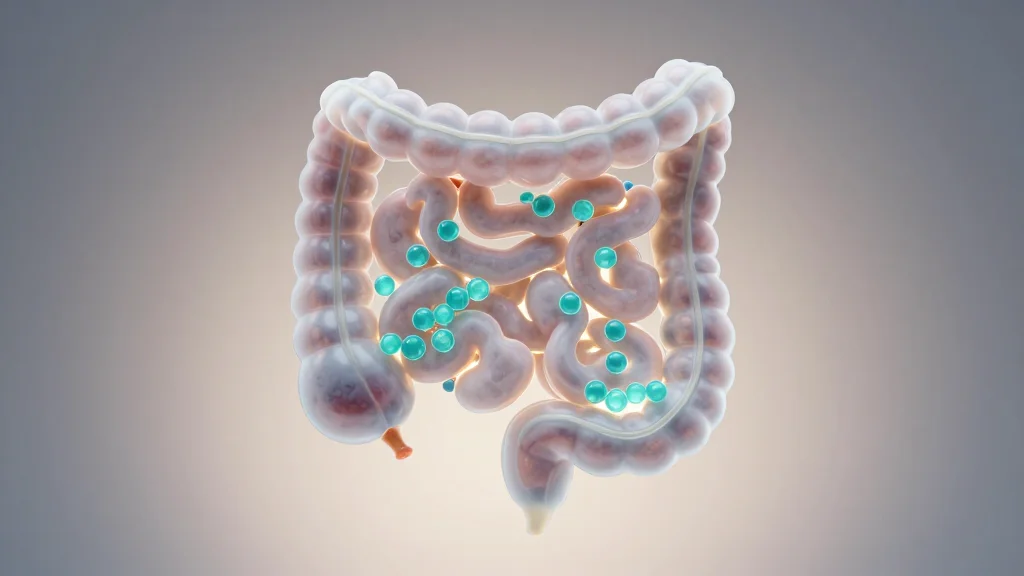
The gut microbiome’s influence on health extends beyond metabolites to the realm of extracellular vesicles, tiny membrane‑bound packages that shuttle proteins, RNAs, and lipids between microbes and host cells. In the latest open‑access study, scientists isolated luminal exosomes from the intestines of three‑month‑old and 24‑month‑old C57BL/6 mice and applied deep proteomic and microRNA sequencing. Their analysis uncovered a clear age gradient: vesicles from older mice were loaded with molecules linked to insulin resistance, inflammation, and tight‑junction disruption, while those from younger donors carried a more protective molecular profile. This shift mirrors broader microbiome remodeling that occurs with age, where harmful species outcompete beneficial ones, amplifying systemic metabolic stress.
To test causality, the team performed gavage experiments, feeding naïve young mice exosomes harvested from aged donors. Within days, the recipients displayed heightened intestinal permeability—a “leaky gut”—and early signs of metabolic dysregulation, such as impaired glucose tolerance. The reverse experiment, delivering young‑derived LFEs to old mice, modestly improved barrier function, suggesting that vesicle composition can be therapeutically modulated. These results position gut luminal exosomes as active agents of age‑related tissue dysfunction rather than passive by‑products, expanding the therapeutic target space beyond traditional probiotics or fecal microbiota transplantation.
For investors and biotech firms, the study signals a lucrative frontier: engineering or filtering extracellular vesicles to reset the gut‑brain‑metabolism axis. Companies developing vesicle‑based diagnostics could leverage the distinct protein‑microRNA signatures as early biomarkers of metabolic syndrome or age‑related diseases. Meanwhile, pharmaceutical pipelines might explore engineered exosome mimetics that deliver anti‑inflammatory cargo to restore barrier integrity. As the field matures, regulatory pathways for biologics will need to adapt, but the potential to intervene at the micro‑communication level could reshape strategies for longevity and chronic disease management.
The Aged Gut Microbiome Generates Extracellular Vesicles that Harm Tissue Function
Comments
Want to join the conversation?