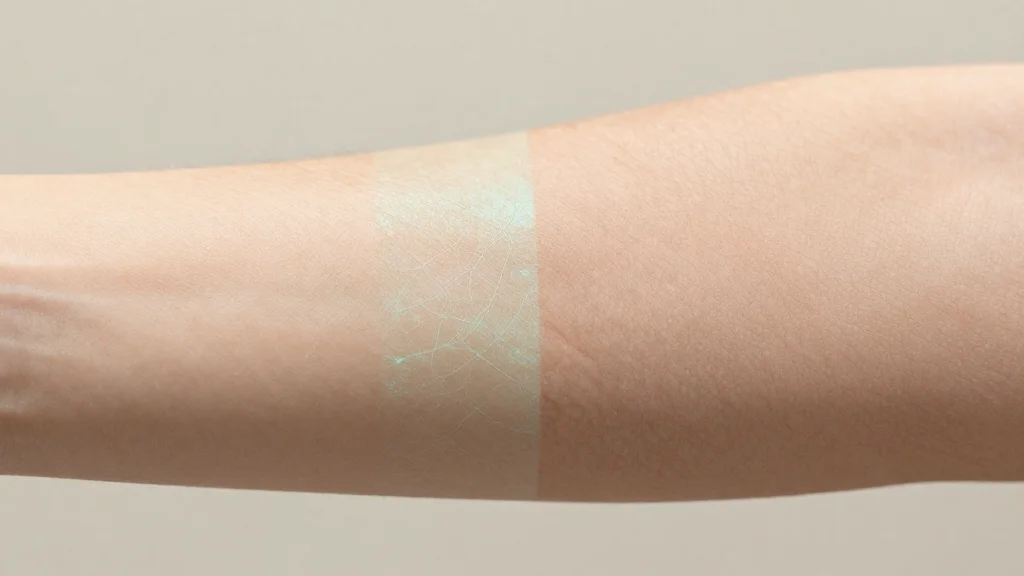
The Field of Dermatology Is Undergoing a Transformation

Key Takeaways
- •Skin healthspan concept expands focus beyond cosmetic wrinkle reduction
- •Senescent cell clearance therapies show measurable skin rejuvenation
- •Epigenetic clock metrics guide personalized anti‑aging dermatology
- •Partial reprogramming promises reversible skin aging at cellular level
- •Market forecasts predict double‑digit growth for longevity‑focused dermatology
Pulse Analysis
The aesthetic dermatology sector, long dominated by filler injections and laser resurfacing, is undergoing a paradigm shift. Patients increasingly demand treatments that do more than smooth lines; they want interventions that preserve the skin's barrier integrity, immune defense, and regenerative vigor over decades. This consumer‑driven demand dovetails with a scientific renaissance that distinguishes lifespan from healthspan, giving rise to the notion of "skin healthspan"—the period during which skin maintains optimal function and appearance.
Advances in cellular senescence research, epigenetics, and regenerative medicine are fueling the shift. Early‑stage senolytic creams and topical agents that reduce senescent cell burden have demonstrated quantifiable improvements in elasticity and pigmentation. Parallel developments in epigenetic clock profiling enable clinicians to assess biological skin age and tailor interventions. Partial reprogramming techniques, leveraging Yamanaka factors in a controlled, non‑tumorigenic manner, show promise for reversing molecular markers of aging without compromising tissue identity. Biomimetic peptides and non‑ablative energy devices further support mitochondrial health, enhancing cellular metabolism and repair.
From a business perspective, the convergence of longevity science and dermatology creates a lucrative niche. Industry analysts project double‑digit compound annual growth rates for products and services that substantively extend skin healthspan. Clinics that integrate mechanistic diagnostics with evidence‑based rejuvenation protocols can differentiate themselves, command premium pricing, and attract a clientele willing to invest in long‑term health outcomes. As regulatory pathways clarify and clinical data accumulate, the field is poised to become a flagship example of how precision medicine can transform a traditionally cosmetic specialty into a driver of broader health optimization.
The Field of Dermatology is Undergoing a Transformation
Comments
Want to join the conversation?