Duodenal Mucosal Resurfacing Cuts Weight Regain After Ozempic Stop, Trial Shows

Why It Matters
The ability to maintain weight loss after stopping GLP‑1 drugs addresses a critical failure point in obesity treatment, where up to 70% of patients regain weight within 18 months. By offering a procedural alternative, DMR could reduce the long‑term health burden of obesity‑related comorbidities and lower overall healthcare expenditures tied to chronic medication use. For the biohacking community, the technique represents a tangible, clinic‑based tool that merges metabolic science with minimally invasive technology, expanding the repertoire of interventions beyond diet, exercise, and pharmaceuticals. Beyond individual outcomes, widespread adoption of DMR could shift market dynamics, prompting pharmaceutical companies to explore combination strategies that pair drug therapy with procedural resets. This could spur new business models, insurance coverage policies, and research funding focused on integrated metabolic reset approaches, potentially accelerating innovation across the obesity and longevity sectors.
Key Takeaways
- •Duodenal mucosal resurfacing (DMR) reduced weight regain by ~40% versus sham in a 45‑person trial
- •Patients kept >80% of the average 40‑lb loss achieved on tirzepatide
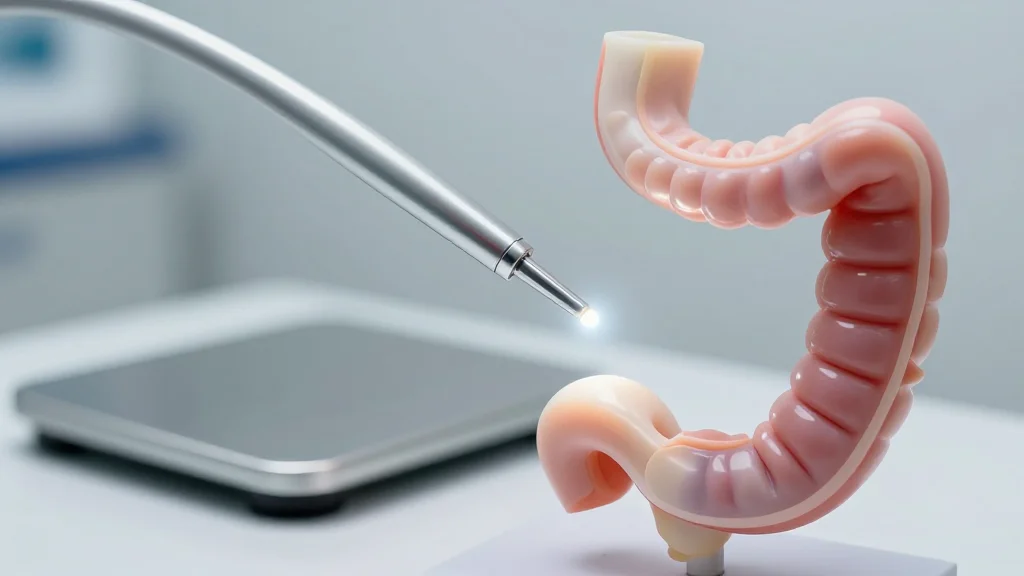
- •Procedure uses controlled heat to ablate duodenal mucosa, prompting tissue regeneration
- •Trial presented at Digestive Disease Week 2026; six‑month follow‑up data
- •DMR remains investigational, pending larger trials and FDA clearance
Pulse Analysis
The DMR findings arrive at a moment when GLP‑1 agonists dominate the obesity market but face sustainability challenges. While drugs like Ozempic deliver rapid, dramatic weight loss, their high cost and side‑effect profile drive many patients to discontinue therapy, leading to rebound weight gain that erodes clinical benefits. DMR offers a mechanistic complement: by physically resetting the duodenal environment, it may recalibrate hormonal signals that drive appetite and glucose homeostasis, a hypothesis supported by early animal models.
Historically, endoscopic bariatric procedures such as gastric balloons and endoscopic sleeve gastroplasty have filled the niche between lifestyle counseling and surgical bypass, but none have directly targeted the metabolic sequelae of GLP‑1 cessation. DMR’s focus on the proximal intestine taps into emerging evidence that the duodenum plays a pivotal role in nutrient sensing and insulin resistance. If larger trials validate the metabolic reset concept, we could see a new therapeutic class that blurs the line between drug and device, reshaping reimbursement frameworks and prompting insurers to consider procedural coverage as a cost‑saving alternative to lifelong medication.
Looking ahead, the competitive landscape will likely intensify. Pharmaceutical giants may invest in adjunctive technologies to extend the lifespan of their GLP‑1 products, while med‑tech startups could accelerate development of next‑generation endoscopic tools. The key question for investors and clinicians alike will be whether DMR can demonstrate consistent, long‑term safety and efficacy across diverse populations. Success would not only expand the biohacker toolkit but also redefine standard-of-care pathways for obesity, positioning gut‑focused interventions as a central pillar of metabolic health.
Duodenal Mucosal Resurfacing Cuts Weight Regain After Ozempic Stop, Trial Shows
Comments
Want to join the conversation?
Loading comments...