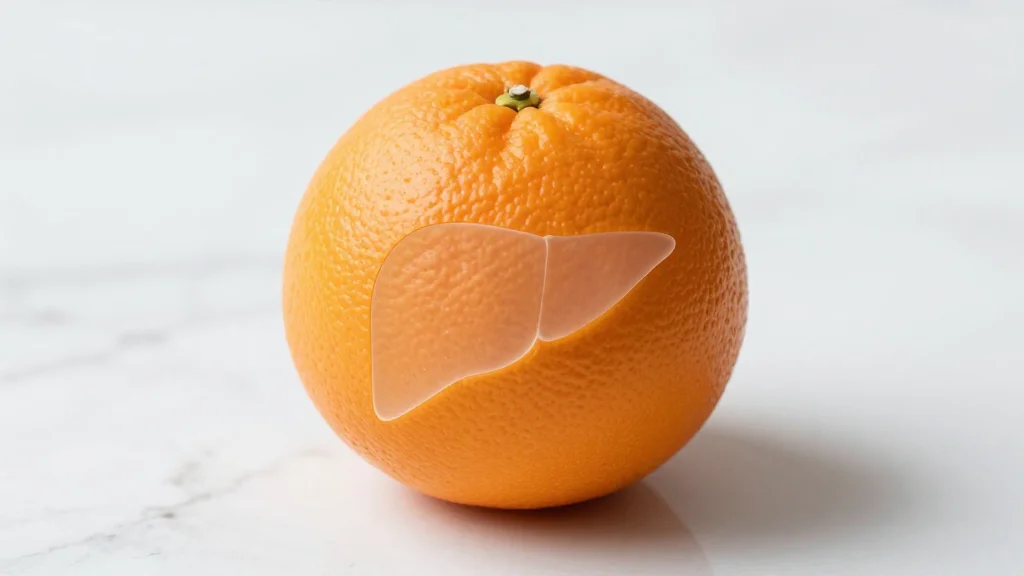
Four‑Week Orange Trial Shows Lipid Shifts in Fatty‑Liver Patients

Why It Matters
The trial’s findings matter because they provide early scientific validation for a dietary biohack that could be adopted at scale without prescription drugs or costly supplements. MASLD affects up to a third of adults in Western societies and is a leading cause of liver‑related morbidity. Demonstrating that a common fruit can modulate lipid species offers a tangible, low‑tech tool for patients and clinicians seeking to slow disease progression through diet alone. Beyond MASLD, the study underscores the power of lipidomics to uncover hidden metabolic effects of everyday foods. As biohackers increasingly turn to data‑driven nutrition, rigorous clinical evidence will be essential to separate anecdote from actionable insight, shaping future guidelines for preventive liver health.
Key Takeaways
- •60 participants with MASLD enrolled from the National Institute of Gastroenterology, IRCCS “S. de Bellis”.
- •Each participant consumed 400 g (≈2 medium oranges) of Navelina oranges daily for four weeks.
- •Lipidomics analysis revealed reductions in serum saturated fatty acids and shifts in polyunsaturated species.
- •No changes observed in body weight, waist circumference, or standard LDL/HDL/triglyceride levels.
- •Researchers plan a 12‑week follow‑up study with larger sample size and imaging endpoints.
Pulse Analysis
The orange trial arrives at a moment when the biohacking community is hungry for evidence‑based, low‑cost interventions. Historically, dietary modifications have been the cornerstone of MASLD management, yet most recommendations rely on broad macronutrient shifts rather than specific foods. By isolating a single fruit and quantifying its impact at the lipid‑species level, the study bridges the gap between traditional nutrition science and the granular data appetite of modern biohackers.
From a market perspective, the results could stimulate demand for orange‑derived nutraceuticals, especially if manufacturers can standardize the bioactive compounds identified in the lipidomics profile. However, the lack of immediate clinical endpoints tempers expectations; investors and startups will likely wait for longer‑term outcomes before committing capital.
Looking ahead, the trial sets a precedent for integrating omics technologies into everyday dietary research. If subsequent phases confirm that the lipid shifts translate into reduced liver fat or improved insulin sensitivity, daily orange consumption could be positioned alongside intermittent fasting and time‑restricted eating as a mainstream biohack. Until then, clinicians should frame the findings as promising but preliminary, encouraging patients to view oranges as a complementary element of a broader lifestyle strategy rather than a standalone cure.
Four‑Week Orange Trial Shows Lipid Shifts in Fatty‑Liver Patients
Comments
Want to join the conversation?
Loading comments...