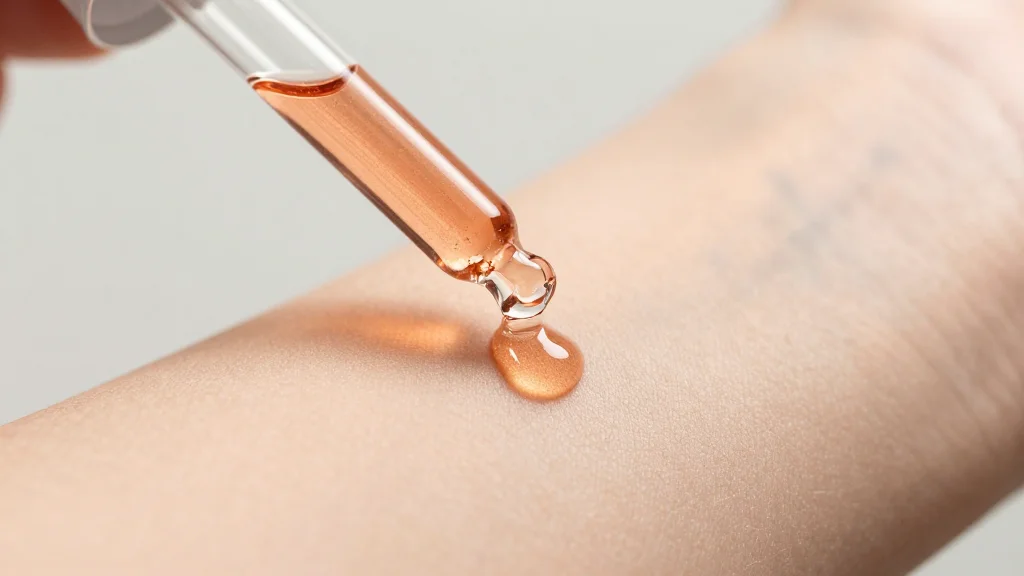
GHK-Cu: The Science Behind the 'Fountain of Youth' Anti-Aging Peptide
Why It Matters
The peptide could reshape dermatology and regenerative medicine if clinical trials confirm efficacy, but premature use and regulatory gaps pose health risks and could undermine consumer trust in longevity therapies.
Key Takeaways
- •GHK‑Cu levels drop ~80% from youth to middle age
- •Topical gel trial tests GHK‑Cu for wound‑healing efficacy
- •Animal studies show GHK‑Cu boosts collagen, angiogenesis, and closure
- •Injectable GHK‑Cu remains unstudied, risk of immune reactions
- •Over 4,000 genes altered by GHK‑Cu, indicating broad impact
Pulse Analysis
The resurgence of GHK‑Cu reflects a broader shift toward biologically grounded anti‑aging solutions. First identified in the 1970s, this copper‑complexed tripeptide has been linked to cellular repair pathways, including collagen production and angiogenesis, which are essential for skin elasticity and wound closure. Researchers have documented its influence on more than 4,000 gene expressions, positioning it as a versatile tool in geroscience, the emerging field that targets the biological mechanisms of aging rather than symptoms alone.
Currently, the most tangible progress comes from a Phase II human trial evaluating a topical gel that delivers GHK‑Cu directly to skin lesions. Early animal models demonstrated accelerated wound closure, increased blood‑vessel formation, and heightened collagen deposition, fueling optimism among dermatologists. However, the hype surrounding oral or injectable formulations outpaces the evidence. Unregulated injections have already resulted in critical health incidents, prompting clinicians to caution that systemic delivery may trigger immune responses or expose patients to contaminants, especially given the peptide’s status as a research compound rather than an FDA‑approved drug.
From a market perspective, GHK‑Cu sits at the intersection of consumer demand for non‑invasive rejuvenation and the rigorous standards of pharmaceutical development. If the topical trial confirms safety and efficacy, the peptide could command premium pricing in the cosmetic and wound‑care sectors, attracting investment from biotech firms focused on longevity. Conversely, continued regulatory scrutiny and high-profile adverse events could stall commercialization, reinforcing the need for transparent clinical data before the peptide moves beyond experimental status.
GHK-Cu: The science behind the 'fountain of youth' anti-aging peptide
Comments
Want to join the conversation?
Loading comments...