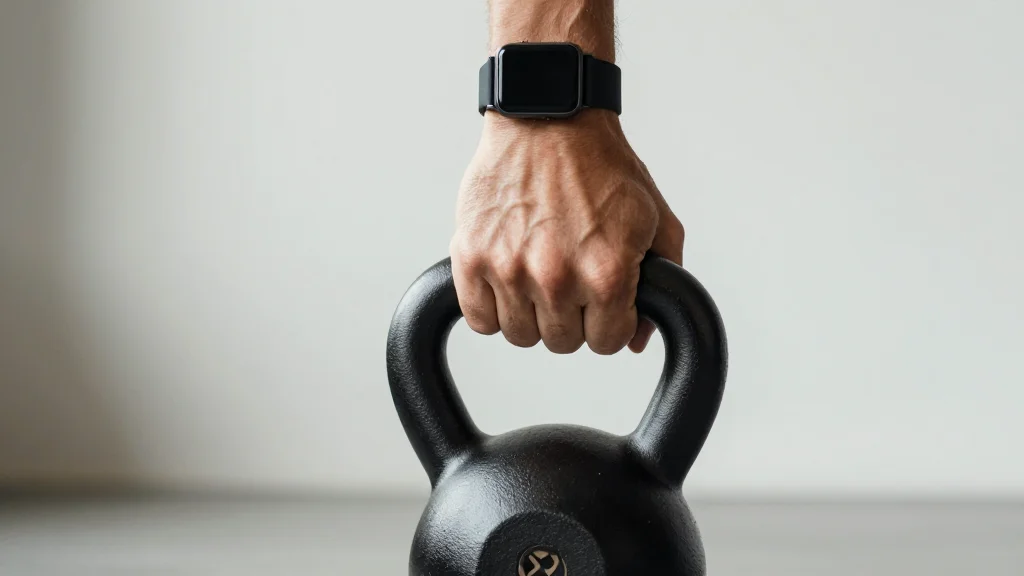
Harvard Study Finds 90‑120 Min Weekly Strength Training Cuts Mortality Risk by 13%

Companies Mentioned
Why It Matters
The study bridges a gap between epidemiological research and the biohacking community’s quest for quantifiable, actionable interventions. By pinpointing a concrete weekly volume that delivers measurable mortality benefits, it offers a low‑cost, scalable strategy that can be layered with other self‑optimization tools such as nutrition, sleep tracking, and wearable‑guided training. If health systems adopt the 90‑120‑minute strength‑training recommendation, the cumulative effect could translate into millions of lives saved and billions of dollars in reduced healthcare spending. Moreover, the findings may stimulate commercial interest in home‑gym equipment, digital coaching platforms, and AI‑driven workout personalization, all of which are central to the modern biohacking ecosystem.
Key Takeaways
- •Harvard researchers analyzed 30 years of data from 147,374 U.S. adults.
- •90‑120 minutes of weekly strength training cuts all‑cause mortality by 13%.
- •Cardiovascular death risk drops 19% and neurological death risk drops 27% at this dose.
- •No additional mortality benefit observed beyond 120 minutes per week.
- •Combining the optimal strength dose with high aerobic activity can lower death risk by up to 58%.
Pulse Analysis
The new evidence arrives at a moment when the biohacking market is saturated with gadgets promising incremental gains, yet few have the epidemiological backing of this study. Historically, public‑health recommendations have emphasized aerobic activity, leaving resistance training under‑prescribed despite its known musculoskeletal benefits. By quantifying a mortality‑reducing threshold, the research validates a core tenet of the biohacker ethos: that deliberate, data‑driven physical stress can extend lifespan.
From a competitive standpoint, companies that embed the 90‑120‑minute guideline into their platforms stand to differentiate themselves. Wearable manufacturers can now offer automated strength‑training scheduling, while digital coaching services may market “optimal longevity protocols” that blend cardio, resistance, and recovery. The plateau effect beyond two hours also warns against the “more is better” mentality that fuels overtraining and injury, reinforcing the need for balanced programming.
Looking ahead, the study’s observational nature will likely spur randomized controlled trials aimed at dissecting intensity, modality, and population‑specific responses. If those trials confirm causality, we could see a shift in clinical practice, with physicians prescribing strength‑training prescriptions alongside medication. For the biohacking community, the message is clear: a modest, consistent weekly commitment to resistance work is a high‑impact lever for longevity, and the next wave of optimization will build on this foundation rather than chase ever‑greater volumes.
Harvard Study Finds 90‑120 min Weekly Strength Training Cuts Mortality Risk by 13%
Comments
Want to join the conversation?
Loading comments...