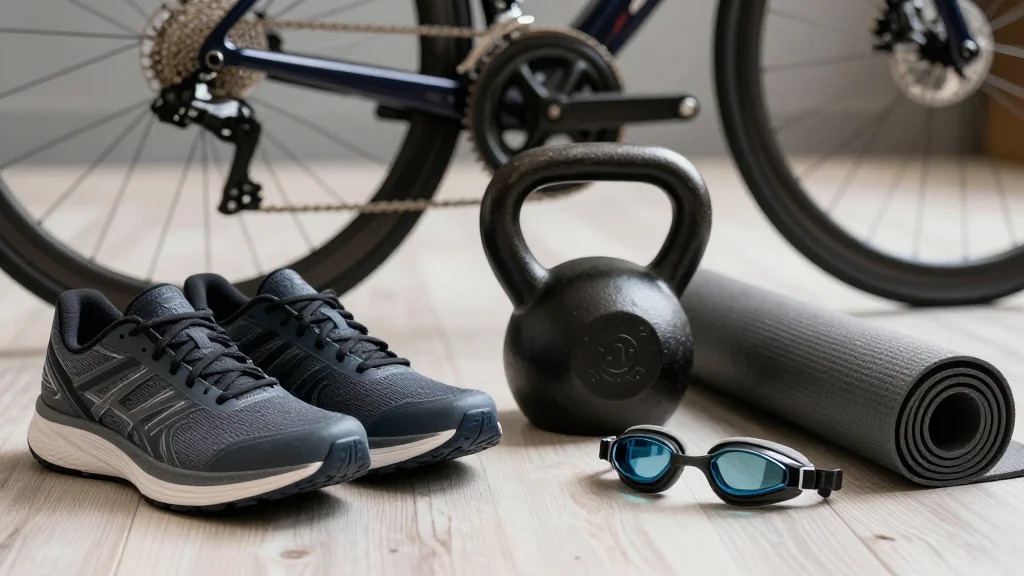
Harvard Study Finds Exercise Variety Cuts Mortality Risk 19% Independent of Volume

Why It Matters
The study reframes a core tenet of exercise prescription: that more is not always better, and that the type of stress placed on the body matters as much as the amount. For the biohacking community, which often pursues marginal gains through precise interventions, the finding offers a low‑cost, high‑impact lever—simply varying workouts—to improve lifespan and healthspan. Beyond individual practice, the results could influence public health guidelines, corporate wellness programs, and wearable‑device algorithms that currently prioritize step counts or minutes of activity. If variety proves to be a robust predictor of longevity, policy and technology will need to shift from quantity‑only metrics to more nuanced, multimodal recommendations.
Key Takeaways
- •Harvard researchers analyzed 111,000 participants over 30+ years.
- •Exercise variety lowered all‑cause mortality risk by 19% after adjusting for total volume.
- •Benefit persisted across cardiovascular, cancer, and respiratory deaths (13‑41% reduction).
- •Total activity showed diminishing returns beyond 20 MET‑hours per week.
- •Walking offered the strongest single‑activity benefit (17% lower risk).
Pulse Analysis
The Harvard findings arrive at a moment when the biohacking market is saturated with gadgets promising incremental performance boosts. Wearable firms have long marketed total steps, minutes, or calories burned as the primary health metric. This study suggests that the next generation of devices could differentiate themselves by tracking activity diversity, rewarding users for rotating modalities rather than simply logging more minutes. Companies that embed variety‑scoring algorithms into their platforms may capture a new segment of health‑conscious consumers seeking evidence‑based longevity hacks.
Historically, exercise science has oscillated between volume‑centric and intensity‑centric models. The current data re‑introduce the concept of “muscle confusion” and cross‑training, but with a rigorous epidemiological backing that extends beyond performance to mortality. For biohackers, the implication is twofold: first, diversify to engage multiple physiological pathways; second, avoid the plateau effect that often follows repetitive training. This aligns with emerging trends in periodization and adaptive training software, which dynamically adjust routines based on fatigue and adaptation markers.
Looking ahead, the pending randomized trials will be critical. If causality is confirmed, we may see a paradigm shift in clinical guidelines, insurance incentives, and even urban planning—designing spaces that encourage varied movement. Until then, the pragmatic advice for biohackers is to embed a rotating schedule of cardio, strength, flexibility, and functional activities, leveraging the study’s 19% mortality advantage without increasing overall workload.
Harvard Study Finds Exercise Variety Cuts Mortality Risk 19% Independent of Volume
Comments
Want to join the conversation?
Loading comments...