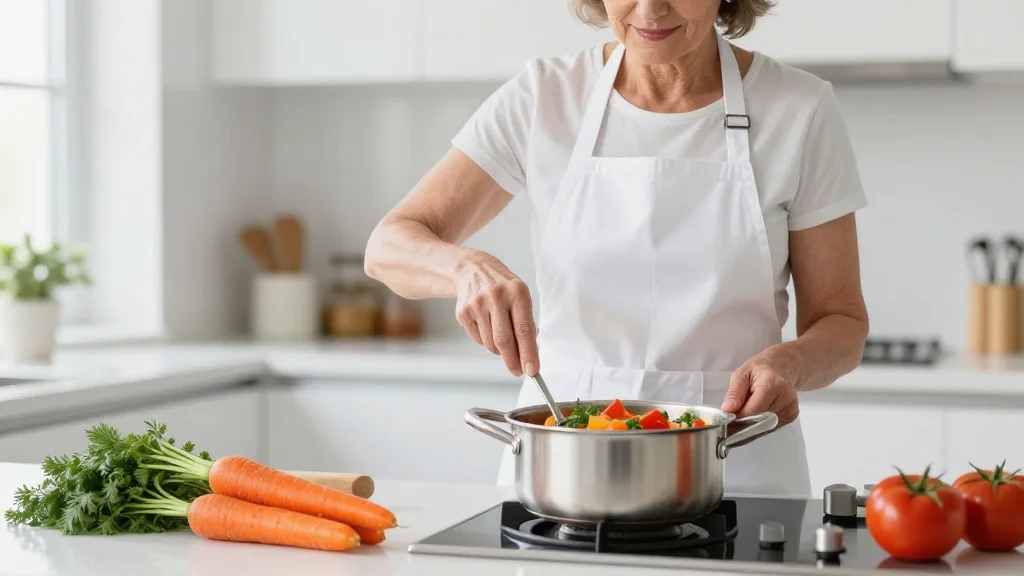
Home Cooking Linked to 27% Lower Dementia Risk in Japanese Seniors

Why It Matters
The study provides empirical backing for a lifestyle intervention that aligns with the biohacking ethos of self‑optimization through everyday habits. If subsequent research confirms a causal link, home cooking could become a cornerstone recommendation alongside sleep hygiene, exercise, and nutraceuticals, reshaping public‑health strategies for dementia prevention. Moreover, the findings could stimulate investment in kitchen‑technology ecosystems designed to lower barriers for older adults, creating new market opportunities. Beyond economics, the research underscores the importance of mental engagement and skill acquisition in later life. Cooking demands planning, multitasking, and sensory stimulation—all cognitive processes that may build neural resilience. For the biohacking community, the study validates a non‑digital, hands‑on approach to brain health that is accessible across socioeconomic strata.
Key Takeaways
- •Study of 11,000 Japanese adults 65+ shows weekly home cooking cuts dementia risk by 23% for men and 27% for women.
- •Participants with low cooking skill saw a 67% lower incidence of dementia, suggesting skill acquisition matters.
- •Observational design cannot prove causality; early cognitive decline may reduce cooking frequency.
- •Experts recommend low‑lift meals—grain bowls, sautéed veggies, simple salads—to lower entry barriers.
- •Findings may drive growth in kitchen‑tech, meal‑kit services, and insurance‑backed dementia‑prevention programs.
Pulse Analysis
The Japan Gerontological Evaluation Study adds a compelling data point to the biohacking narrative that everyday habits can modulate neurodegeneration risk. Historically, dementia prevention has leaned on pharmacology and high‑intensity exercise; this research pivots attention to a low‑tech, socially embedded activity. The magnitude of risk reduction—up to 27%—is comparable to some nutraceutical claims, yet cooking offers additional benefits: social interaction, sensory stimulation, and the development of procedural memory.
From a market perspective, the study could catalyze a wave of “cognitive‑kitchen” products. Smart appliances that guide users through recipes, AI‑driven meal planners that prioritize brain‑healthy nutrients, and subscription services that deliver pre‑portioned, neuroprotective ingredients are poised to capture a segment of health‑conscious consumers. Insurers, facing rising dementia costs, may subsidize such services if longitudinal data confirm cost‑savings.
However, the study’s demographic limitation is a critical caveat. Japanese dietary patterns—high in fish, soy, and fermented foods—already confer neuroprotective benefits. Replicating the analysis in Western cohorts, where cooking habits and food composition differ, will be essential. Until randomized controlled trials establish causality, biohackers should treat home cooking as a complementary strategy rather than a standalone cure. The next research frontier will likely explore which cooking methods (e.g., stir‑frying versus baking) and ingredient profiles drive the strongest neural benefits, potentially refining the biohacker’s recipe for a sharper mind.
Home Cooking Linked to 27% Lower Dementia Risk in Japanese Seniors
Comments
Want to join the conversation?
Loading comments...