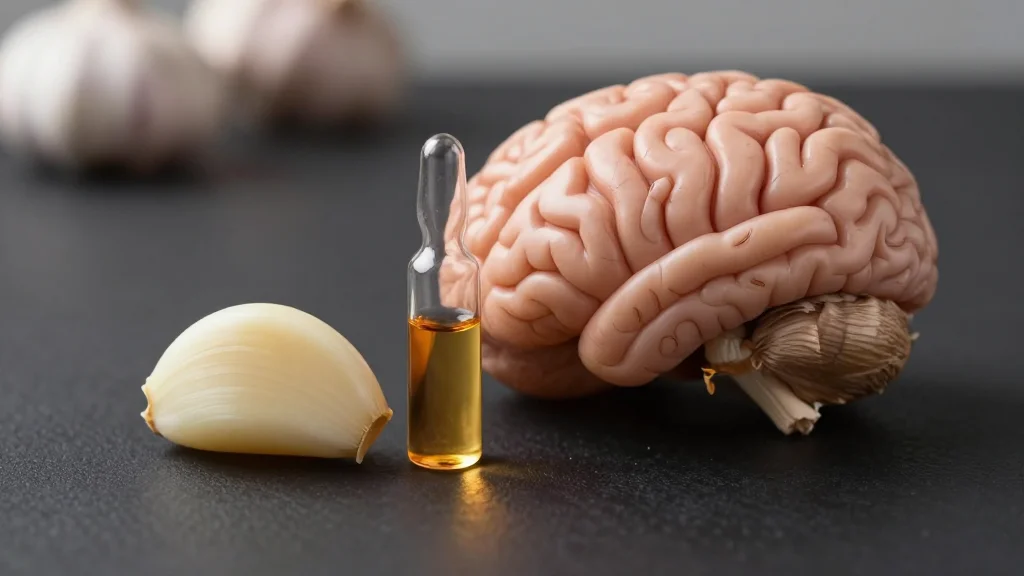
How This Little-Known Compound Impacts Fat, Brain & Muscle Health
Why It Matters
If the fat‑brain‑muscle axis translates to people, S1PC could become a new tool for preserving muscle quality and metabolic health in aging populations, expanding the supplement landscape beyond NMN and NR.
Key Takeaways
- •S1PC from aged garlic boosts eNAMPT release in fat tissue
- •eNAMPT travels to brain, enhancing muscle function in mice
- •Human trial showed acute rise in circulating eNAMPT after 25 mg dose
- •Muscle strength not measured in humans, functional benefits remain unproven
- •Longevity strategies still rely on diet, exercise, and body composition
Pulse Analysis
The search for compounds that sustain NAD⁺ levels has dominated longevity research, with NMN and NR leading the consumer market. S‑1‑propenyl‑L‑cysteine (S1PC), derived from aged garlic, adds a fresh dimension by influencing NAD⁺ indirectly. Rather than supplying precursors, S1PC activates a signaling cascade in adipose tissue that releases extracellular NAMPT (eNAMPT), a protein that circulates systemically and supports NAD⁺ biosynthesis. This mechanism underscores the growing appreciation that metabolic health hinges on inter‑organ communication, not isolated tissue interventions.
In pre‑clinical models, aged mice receiving S1PC for eight months displayed stronger grip strength, higher muscle force, and lower frailty scores despite unchanged muscle size. The improvement stemmed from elevated eNAMPT reaching the hypothalamus, which then modulated neural pathways governing muscle performance. Enhanced expression of mitochondrial proteins in skeletal muscle suggested a boost in cellular energy production, aligning with the broader hypothesis that preserving NAD⁺ pools can mitigate age‑related functional decline. These results position S1PC as a potential adjunct to traditional resistance training for older adults seeking to maintain muscle quality.
The human arm of the study, however, remains preliminary. A single 25 mg dose raised eNAMPT levels within two hours in participants over 40, confirming that the fat‑brain relay is active in people. Yet the trial did not assess strength, mobility, or long‑term outcomes, leaving a gap between biomarker shifts and real‑world benefits. For investors and consumers, the data signal a promising avenue but also a cautionary note: robust, longitudinal trials are needed before S1PC can be marketed as a muscle‑preserving supplement. In the meantime, established longevity pillars—balanced nutrition, regular resistance exercise, and weight management—continue to offer the most reliable protection against age‑related muscle loss.
How This Little-Known Compound Impacts Fat, Brain & Muscle Health
Comments
Want to join the conversation?
Loading comments...