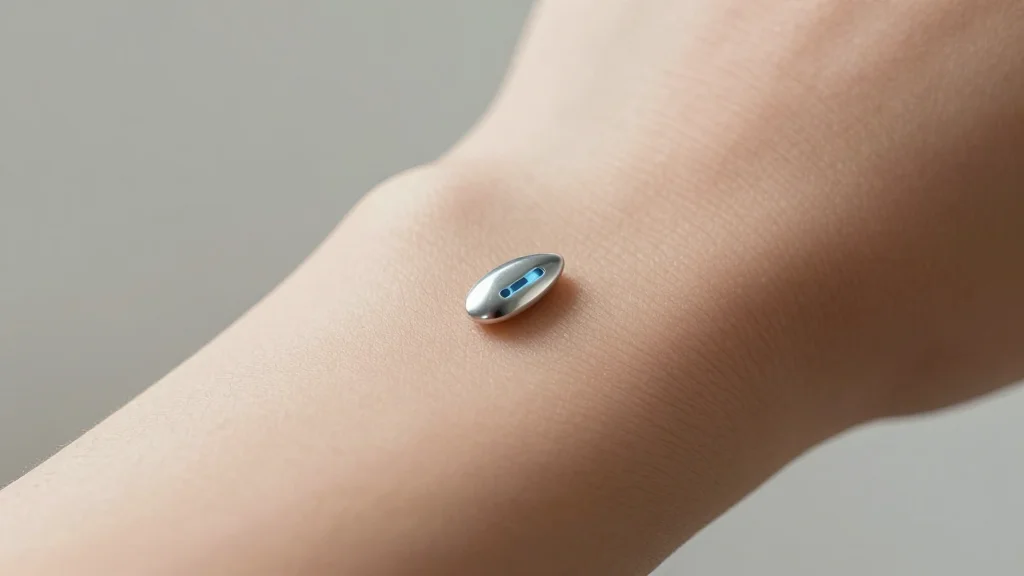
Implantable 'Living Pharmacy' Generates Therapeutic Proteins in Rats for a Month

Why It Matters
A self‑contained, implantable drug‑manufacturing platform could dramatically reduce the burden of chronic injections, improve adherence, and enable real‑time dose adjustments. For the biohacking community, it offers a tangible route to extend human performance and longevity through continuous, personalized biologic therapy. Clinically, the technology promises to streamline treatment for diseases that rely on protein‑based drugs, potentially lowering costs associated with cold‑chain logistics and frequent clinic visits. Beyond individual health, the HOBIT system exemplifies the convergence of synthetic biology, bioelectronics and materials science—a triad that could accelerate the broader adoption of living therapeutics. By demonstrating reliable oxygen delivery and sustained protein expression in vivo, the study addresses a long‑standing barrier to implantable cell‑based therapies, paving the way for more ambitious applications such as on‑demand vaccine production or in‑situ gene editing.
Key Takeaways
- •HOBIT (Hybrid Oxygenation Bioelectronics System for Implanted Therapy) is the size of a USB drive
- •Device produces three biologics—anti‑HIV agent, GLP‑1 peptide, and metabolic hormone—for 31 days in rats
- •Electrocatalytic oxygenator (ecO₂) operates at 1.6‑1.9 V and is Bluetooth‑controlled
- •Engineered cells are embedded in alginate hydrogel within a silicon‑chip‑based chamber
- •Future designs aim for biodegradable housings that dissolve after therapy completion
Pulse Analysis
The HOBIT breakthrough arrives at a moment when the bioelectronics market is projected to exceed $30 billion by 2030, driven by demand for implantable sensors and drug‑delivery platforms. Traditional biologic administration relies on periodic injections or infusions, which are costly, inconvenient, and prone to adherence gaps. By internalizing production, HOBIT sidesteps these constraints and could capture a niche previously dominated by long‑acting injectables such as GLP‑1 analogues.
Historically, cell‑based implants have struggled with oxygen diffusion limits, leading to cell death and inconsistent dosing. The integration of an on‑site water‑splitting oxygenator not only resolves that bottleneck but also introduces a programmable interface that aligns with the consumer‑grade connectivity expectations of the biohacking community. This convergence may spur a wave of DIY‑oriented startups seeking to license the technology for niche markets—e.g., personalized hormone replacement or on‑demand antiviral prophylaxis.
Regulatory scrutiny will be the decisive factor. The FDA’s existing framework for combination products (device + biologic) is still evolving, and the addition of wireless control introduces cybersecurity considerations. Companies that can demonstrate robust safety data, transparent firmware, and clear patient‑controlled dosing limits will likely gain early market access. If successful, HOBIT could catalyze a shift from episodic drug delivery to continuous, self‑regulated therapy, redefining both clinical practice and the aspirations of the longevity‑focused biohacker.
Implantable 'Living Pharmacy' Generates Therapeutic Proteins in Rats for a Month
Comments
Want to join the conversation?
Loading comments...