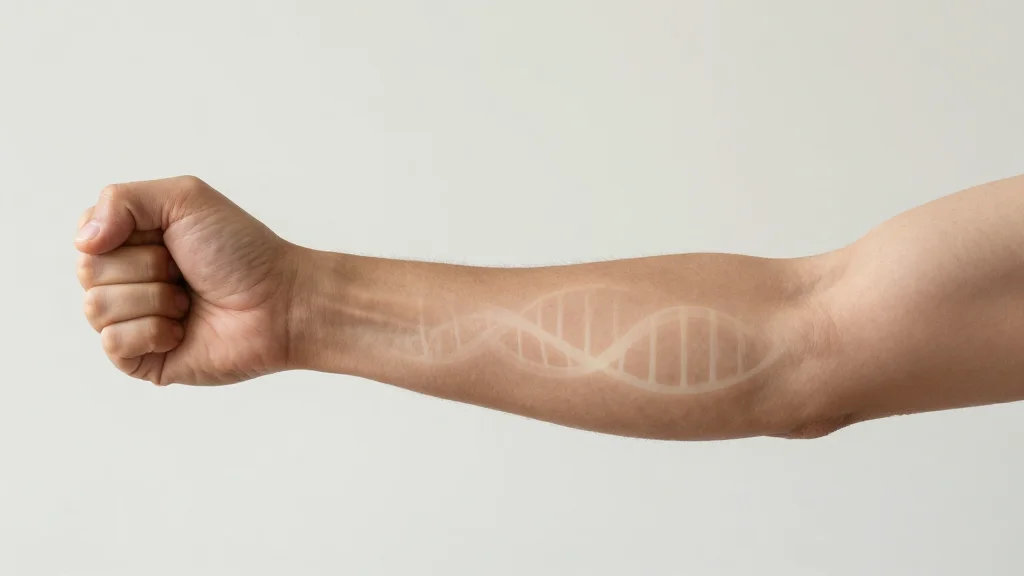
Inactivity Imprints Molecular Memory in Muscle, Aging Amplifies Damage

Why It Matters
The discovery that skeletal muscle stores a molecular record of inactivity reframes how we think about age‑related sarcopenia and functional decline. For biohackers, clinicians, and policymakers, the work suggests that timing, intensity, and type of exercise could be calibrated to either reinforce protective memory in younger individuals or erase harmful imprints in older adults. As populations age, interventions that can modulate this molecular memory may reduce healthcare costs associated with falls, hospitalizations, and loss of independence. Moreover, the partnership with the Novo Nordisk Foundation signals a growing investment in translational research that bridges basic molecular biology with practical, data‑driven training programs. If specific exercise modalities can be shown to reprogram mitochondrial signaling pathways, the biohacking field could shift from generic “move more” advice to precision‑exercise prescriptions tailored to an individual’s molecular age.
Key Takeaways
- •Study published in *Advanced Science* shows repeated inactivity creates a molecular memory in muscle.
- •Young adults develop a protective transcriptional response after each disuse episode.
- •Aged muscle shows amplified atrophy, suppressed aerobic‑metabolism genes, and activated DNA‑damage pathways.
- •Researchers are collaborating with the Novo Nordisk Foundation to test exercise protocols that reverse harmful memory signals.
- •Findings could reshape biohacking strategies by emphasizing frequent, targeted activity to prevent maladaptive muscle memory.
Pulse Analysis
The concept of a molecular memory in skeletal muscle adds a new layer to the biohacking narrative that has traditionally focused on macro‑level metrics like strength gains or body composition. Historically, interventions have been trial‑and‑error, with practitioners adjusting volume and intensity based on short‑term performance. This study suggests a deeper, epigenetic substrate that records past inactivity, meaning that missed workouts may have lingering consequences beyond the immediate loss of muscle fibers.
From a market perspective, the ability to quantify and eventually modulate this memory could spawn a wave of niche technologies—wearables that monitor mitochondrial health, nutraceuticals aimed at supporting oxidative‑stress pathways, and AI‑driven coaching platforms that schedule micro‑sessions to keep the memory in a protective state. Companies already operating in the longevity space, such as Calico and Unity Biotechnology, may see an opportunity to integrate these findings into their pipelines, potentially accelerating the development of therapeutics that target the same transcriptional pathways identified in the study.
Looking forward, the key challenge will be translating the animal and short‑term human data into scalable, long‑term protocols that work across diverse populations. The collaboration with the Novo Nordisk Foundation hints at a willingness to fund large‑scale clinical trials, which could validate whether specific exercise modalities truly rewrite the molecular script. If successful, the biohacking community could move from anecdotal regimen‑hopping to evidence‑based, personalized programs that not only build muscle but also edit its memory, offering a tangible strategy to combat age‑related decline.
Inactivity Imprints Molecular Memory in Muscle, Aging Amplifies Damage
Comments
Want to join the conversation?
Loading comments...