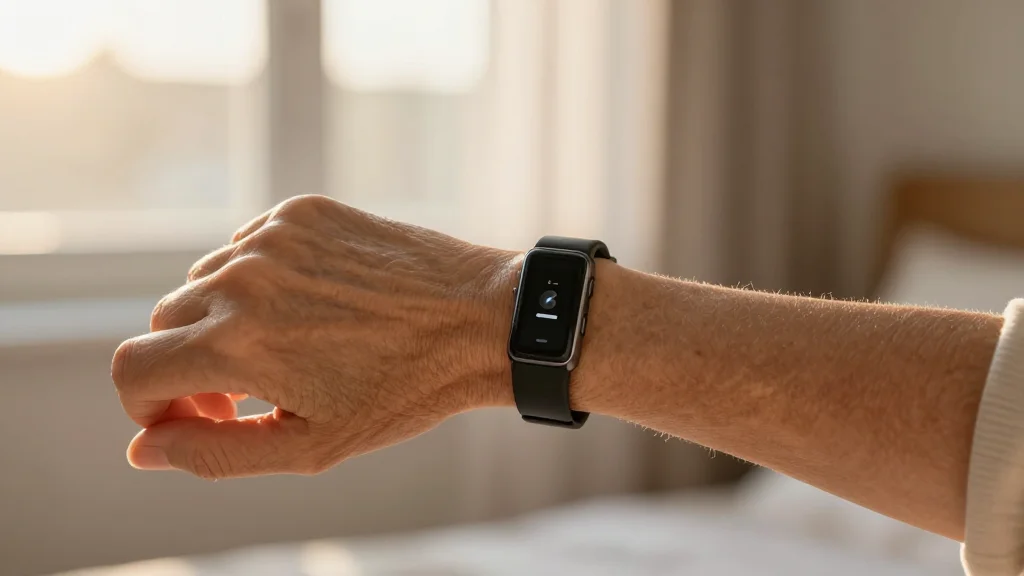
Johns Hopkins Study Links Consistent Daily Rhythms to Slower Biological Aging

Why It Matters
The study bridges two fast‑growing fields—chronobiology and epigenetic aging—offering a concrete, measurable target for biohackers seeking to extend healthspan. By linking daily rhythm regularity to DNA‑based age markers, it suggests that simple behavioral tweaks could have outsized effects on cellular aging, potentially reshaping preventive health strategies. If subsequent research confirms a causal relationship, the biohacking market could see a surge in products and services designed to enforce consistent sleep‑wake cycles, timed light therapy, and activity scheduling. Moreover, healthcare systems might integrate rhythm monitoring into routine check‑ups, using wearable data to flag individuals at risk of accelerated aging before clinical symptoms emerge.
Key Takeaways
- •Study analyzed a week of activity data from 207 seniors.
- •Regular rest‑activity rhythms correlated with slower epigenetic aging.
- •Four epigenetic clocks were used to assess biological age.
- •Stronger associations observed in females and White participants.
- •Findings could validate circadian‑focused biohacking interventions.
Pulse Analysis
The Johns Hopkins findings arrive at a moment when the biohacking industry is saturated with gadgets promising to tweak sleep, light, and exercise for longevity. Historically, claims about circadian alignment have been anecdotal; this study supplies a data‑driven anchor that could shift the conversation from speculation to evidence‑based practice. By demonstrating a measurable link between rhythm regularity and epigenetic age, the research provides a quantifiable endpoint that startups can target, potentially accelerating venture capital flow into chronobiology‑focused wearables and services.
However, the study’s cross‑sectional nature and demographic skew limit its immediate translational power. Biohackers must recognize that rhythm optimization is one piece of a multifactorial puzzle that includes diet, genetics, and socioeconomic factors. The stronger effect in White participants hints at underlying disparities that could be amplified if commercial products are marketed without inclusive validation. Future longitudinal trials will be essential to differentiate correlation from causation and to establish dosage‑response curves for rhythm‑based interventions.
In the longer term, regulators may need to grapple with how to evaluate and label products that claim to “slow biological aging” via circadian manipulation. As the science matures, we could see a new class of clinically validated anti‑aging protocols that blend behavioral coaching with real‑time epigenetic feedback, reshaping both consumer health markets and preventive medicine frameworks.
Johns Hopkins Study Links Consistent Daily Rhythms to Slower Biological Aging
Comments
Want to join the conversation?
Loading comments...