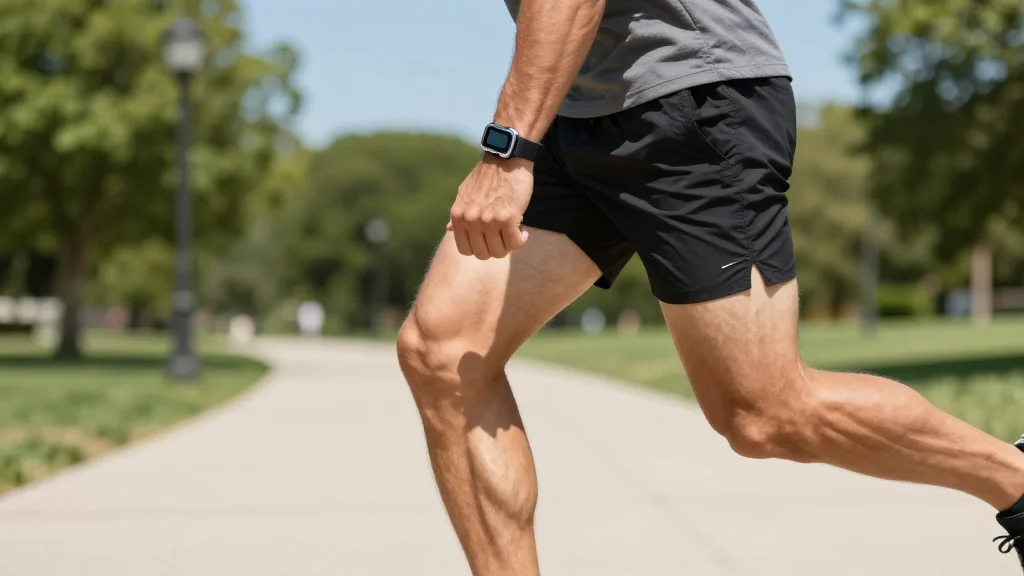
Just 4% Vigorous Exercise Cuts Chronic Disease Risk, Study Shows

Why It Matters
The study provides a data‑driven shortcut for the biohacking community, which seeks high‑impact interventions that fit into busy lifestyles. By quantifying a minimal intensity threshold that yields large reductions in disease risk, the research validates a core biohacker principle: strategic, evidence‑based tweaks can produce outsized health returns. Moreover, the findings could reshape public‑health messaging, encouraging policymakers to incorporate intensity metrics alongside volume targets, potentially improving adherence among time‑constrained populations. Beyond individual health, the results have commercial implications. Wearable manufacturers can leverage the 4% benchmark to refine algorithms that guide users toward optimal intensity zones, while fitness‑app developers may market new “micro‑HIIT” modules tailored to the biohacker demographic. If subsequent trials confirm causality, insurers might also consider incentivizing intensity‑focused activity, reshaping preventive‑care economics.
Key Takeaways
- •Study of UK Biobank participants shows >4% weekly vigorous activity cuts cardiovascular risk by 31%
- •Type‑2 diabetes risk drops 60% and dementia risk drops 63% with minimal high‑intensity effort
- •All‑cause mortality reduced by 46% in the high‑intensity cohort
- •Intensity matters more than total volume for inflammatory and neurodegenerative diseases
- •Findings align with biohacker focus on time‑efficient, high‑impact health interventions
Pulse Analysis
The European Heart Journal study arrives at a moment when the biohacking ecosystem is maturing from anecdotal hacks to scientifically vetted protocols. Historically, exercise recommendations have been volume‑centric, emphasizing 150 minutes of moderate activity per week. This new intensity‑focused evidence challenges that legacy, offering a quantifiable shortcut that resonates with the biohacker mantra of "maximum return on minimal input."
From a market perspective, the data could accelerate the convergence of health tech and lifestyle optimization. Wearable firms have already begun to embed heart‑rate zone coaching; a clear 4% benchmark provides a marketing hook that is both simple and scientifically credible. Companies that can demonstrate real‑world adherence to this intensity target—through AI‑driven coaching or gamified micro‑HIIT sessions—stand to capture a segment of consumers who are willing to pay premium prices for proven efficiency.
However, the observational nature of the study tempers enthusiasm. Without randomized controlled trials, causality remains speculative, and the short tracking window (seven days of wearable data) raises questions about long‑term behavior consistency. Biohackers, accustomed to rapid iteration, may adopt the protocol quickly, but the broader public health community will likely demand more rigorous validation before revising guidelines. The next wave of research—ideally multi‑year RCTs that isolate intensity from confounding lifestyle factors—will determine whether the 4% rule becomes a cornerstone of preventive medicine or a compelling but provisional biohacker fad.
In the interim, the study fuels a narrative that aligns with the broader DIY health movement: that strategic, data‑backed tweaks can dramatically shift disease trajectories. As more individuals experiment with micro‑HIIT, cold exposure, and nutraceutical stacks, the ecosystem will generate a wealth of real‑world data, potentially creating a feedback loop that refines the science and the market simultaneously.
Just 4% Vigorous Exercise Cuts Chronic Disease Risk, Study Shows
Comments
Want to join the conversation?
Loading comments...