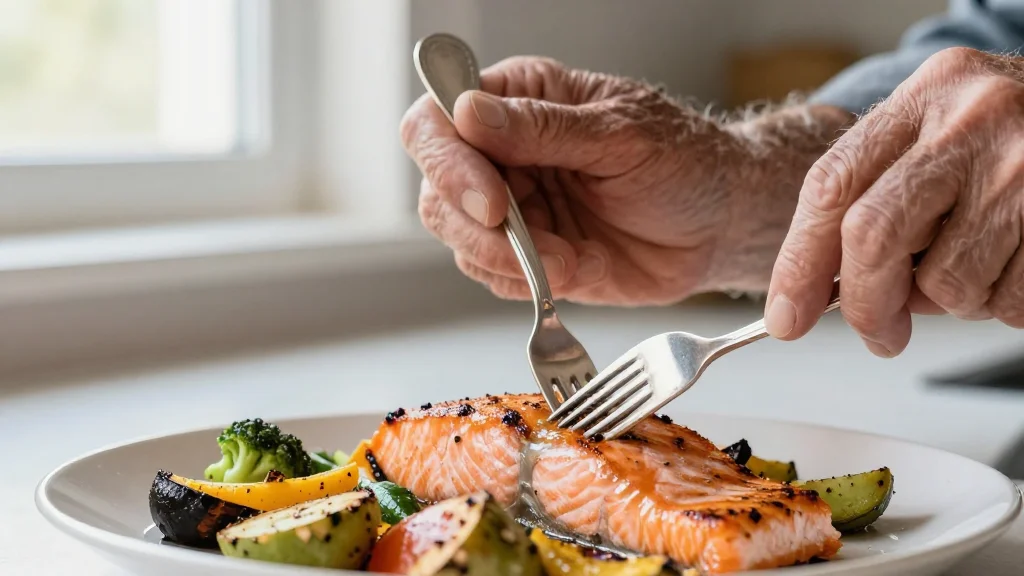
Longevity Expert Warns 40% of Europeans Over 65 Lack Protein, Speeding Aging

Why It Matters
Protein intake is a cornerstone of muscle maintenance, metabolic health, and overall resilience in older adults. A widespread shortfall not only accelerates sarcopenia but also raises healthcare costs associated with falls, frailty, and chronic disease management. By highlighting the magnitude of the deficiency, Viña’s warning pushes both the biohacking community and public health policymakers to prioritize nutrition as a low‑cost, high‑impact intervention. The issue also intersects with emerging longevity research that emphasizes nutrient timing, amino‑acid profiling, and personalized diet plans. Addressing the protein gap could serve as a scalable entry point for broader anti‑aging strategies, from senolytic therapies to metabolic reprogramming, amplifying the impact of more advanced interventions.
Key Takeaways
- •José Viña warns 40% of Europeans over 65 lack sufficient protein.
- •PROMISS meta‑analysis shows 46.7% below 1.0 g/kg and 70.8% below 1.2 g/kg daily protein.
- •Anabolic resistance makes older muscles less responsive to protein.
- •Mediterranean‑style diets and protein supplements are suggested fixes.
- •Policy and biohacking sectors are urged to prioritize protein intake for seniors.
Pulse Analysis
The protein shortfall identified by Viña is a classic example of a low‑hanging fruit in the longevity market. While high‑tech interventions—gene editing, senolytics, and AI‑driven diagnostics—grab headlines, the nutritional foundation remains under‑addressed. The data suggest that a simple, scalable solution—boosting protein intake—could deliver measurable health benefits across a massive demographic, translating into reduced frailty rates and lower long‑term care costs.
Historically, the biohacking community has championed micronutrient optimization and intermittent fasting, but macronutrient adequacy, especially for seniors, has lagged. This gap creates an opportunity for startups to develop age‑specific protein products that combine bioavailability, taste, and ease of consumption. Companies that can integrate personalized dosing algorithms—perhaps leveraging wearable data on muscle mass and activity—will likely capture a sizable share of a market projected to exceed $10 billion globally by 2030.
Looking ahead, the convergence of nutrition science, digital health monitoring, and policy reform could accelerate adoption. If European health agencies incorporate higher protein benchmarks into dietary guidelines, we may see a cascade effect: increased demand for fortified foods, growth in supplement sales, and a new wave of clinical trials testing protein‑centric anti‑aging protocols. For investors and biohackers alike, the message is clear: the next frontier in longevity may be as simple as ensuring every senior plate contains enough protein.
Longevity Expert Warns 40% of Europeans Over 65 Lack Protein, Speeding Aging
Comments
Want to join the conversation?
Loading comments...