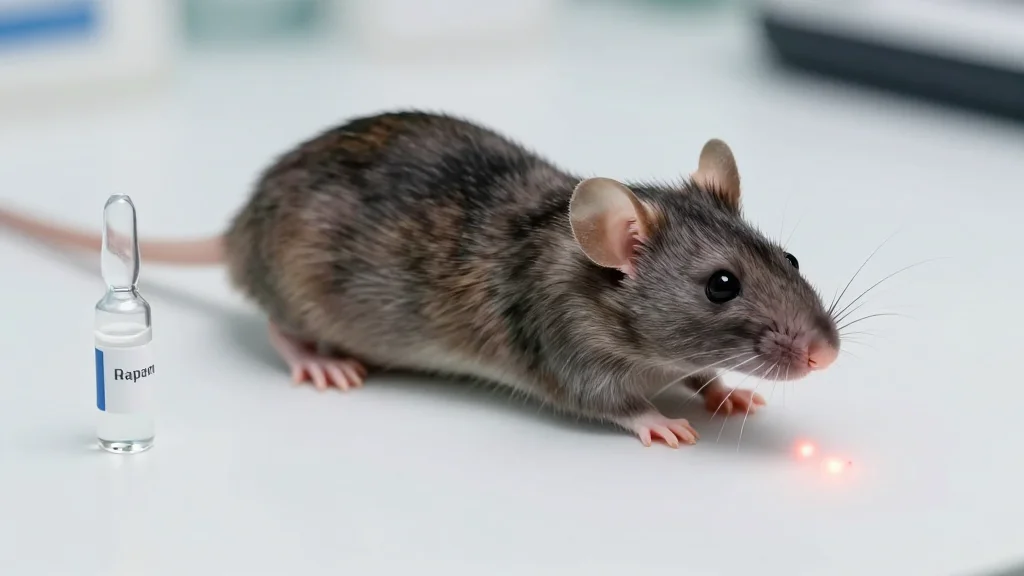
Low Dose Continuous Rapamycin Favorably Alters the Aging Immune System

Key Takeaways
- •Low-dose rapamycin diet reduces IL-17‑producing γδ T cells in aged mice
- •Innate and adaptive immune cell numbers remain largely unchanged
- •Endotoxin challenge shows lower IL-17 and milder microglial activation
- •Supports rapamycin’s potential to curb inflammaging without broad immunosuppression
Pulse Analysis
Rapamycin, a well‑known mTOR inhibitor, has long been used at high doses to prevent organ rejection, but its reputation in longevity research stems from animal studies showing lifespan extension at much lower concentrations. By mimicking calorie‑restriction pathways such as enhanced autophagy, low‑dose rapamycin can recalibrate metabolic and immune signaling without the severe immunosuppressive side effects that deter clinical adoption. The new mouse study adds nuance by demonstrating that continuous dietary exposure selectively trims the age‑linked rise of IL‑17‑producing γδ T cells, a subset implicated in chronic inflammation and age‑related tissue damage.
The significance of these findings lies in the balance between efficacy and safety. Traditional rapamycin regimens suppress a wide array of immune functions, raising infection risks. In contrast, the modest dosing in this experiment preserved overall immune cell composition while dampening a specific pro‑inflammatory axis, suggesting a therapeutic window where age‑related inflammation can be curbed without compromising host defense. Moreover, the reduced microglial activation after systemic endotoxin exposure hints at downstream neuroprotective benefits, aligning with growing evidence that peripheral immune modulation can influence brain health.
Translating these results to humans will require careful dose‑finding studies, given the sparse clinical data on chronic low‑dose rapamycin for aging. Nonetheless, the market for senolytics and immunometabolic interventions is expanding, and investors are watching for biomarkers—like IL‑17 levels—that could serve as early efficacy signals. If future trials confirm that targeted suppression of inflammaging pathways is achievable without overt immunosuppression, rapamycin could become a cornerstone of precision anti‑aging therapeutics, reshaping how clinicians address age‑related chronic diseases.
Low Dose Continuous Rapamycin Favorably Alters the Aging Immune System
Comments
Want to join the conversation?