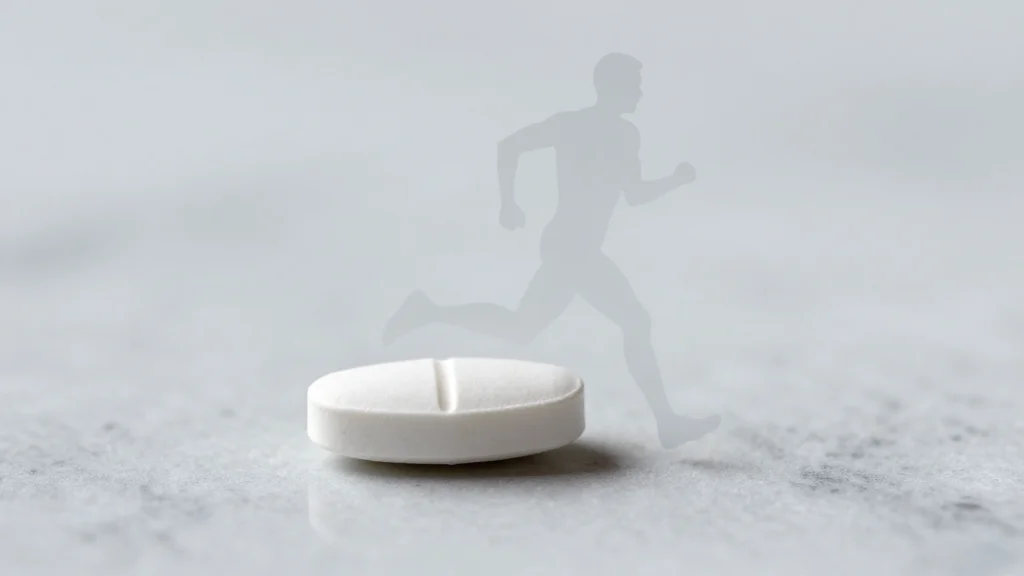
Metformin Raises Exercise‑Mimic Molecule Lac‑Phe in Prostate Cancer Patients

Why It Matters
The discovery that metformin can trigger an exercise‑linked metabolite in cancer patients reshapes how clinicians think about supportive care. By targeting metabolic pathways, physicians may improve patients' quality of life and treatment adherence without demanding additional physical exertion. For the biohacking sector, the result validates a class of pharmacological strategies that aim to replicate the systemic benefits of exercise, potentially expanding the market for metabolic enhancers beyond traditional fitness supplements. If subsequent trials confirm functional benefits, metformin could become a low‑cost, widely accessible option for individuals seeking to augment metabolic health, especially those with chronic conditions that limit activity. This would also raise questions about off‑label use, dosing protocols, and the need for regulatory guidance to prevent misuse.
Key Takeaways
- •Metformin raised Lac‑Phe, an exercise‑associated molecule, in 29 prostate‑cancer patients.
- •Lead author Dr. Marijo Bilusic described the metabolic signal as "striking" from a clinical perspective.
- •Professor Priyamvada Rai emphasized the importance of metabolic health for treatment tolerance.
- •The study suggests a potential pharmacological route for exercise mimetics in sedentary or ill patients.
- •Future randomized trials will assess whether Lac‑Phe elevation translates into clinical benefits.
Pulse Analysis
The study arrives at a moment when the biohacking community is increasingly focused on metabolic modulation as a lever for performance. Metformin’s cheap price point and established safety profile give it a unique advantage over newer, experimental compounds that often carry higher regulatory hurdles and cost. Historically, the drug’s anti‑cancer reputation has been built on epidemiological correlations; this mechanistic insight provides a tangible biochemical target that can be quantified and, potentially, optimized.
From a market perspective, a validated exercise‑mimetic could catalyze a wave of ancillary products—formulations, dosing regimens, and monitoring devices—designed to maximize Lac‑Phe or related metabolites. Companies that already operate in the nutraceutical space may pivot to incorporate metformin‑based protocols, while traditional pharma could see renewed interest in repurposing older drugs for lifestyle indications. However, the regulatory landscape will be a critical factor; the FDA has historically been cautious about approving drugs for off‑label performance enhancement, and any large‑scale adoption will likely require robust clinical evidence linking the metabolite surge to concrete health outcomes.
Looking ahead, the key question is whether the Lac‑Phe increase is merely a biomarker or a driver of the physiological benefits attributed to exercise. If future trials demonstrate that metformin‑induced Lac‑Phe can reduce fatigue, improve body composition, or enhance treatment response, the drug could become a cornerstone of a new therapeutic paradigm that blends oncology, metabolic health, and self‑optimization. Until then, clinicians and biohackers alike must balance enthusiasm with rigorous scientific validation.
Metformin Raises Exercise‑Mimic Molecule Lac‑Phe in Prostate Cancer Patients
Comments
Want to join the conversation?
Loading comments...