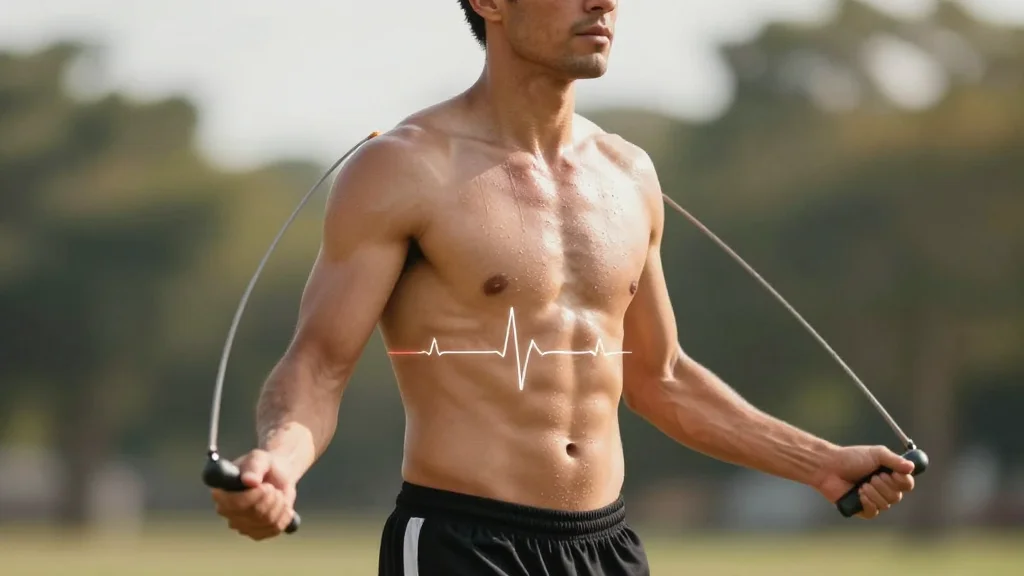
Midlife Exercise Adds Two Healthy Years, Study Finds

Why It Matters
The study provides a data‑backed validation of a core biohacking premise: small, strategically timed interventions can produce outsized health benefits. By quantifying the lifespan extension associated with mid‑life fitness, it gives individuals and clinicians a concrete metric to justify time‑efficient exercise regimens. For the broader biohacking ecosystem, the findings could shift product development toward tools that monitor intensity, such as heart‑rate variability sensors and AI‑guided interval apps. The potential to integrate these insights with genetic and metabolic profiling may accelerate personalized longevity strategies, making the promise of extended healthspan more accessible to a wider audience.
Key Takeaways
- •Longitudinal study links top fitness in 40s‑50s to ~2 extra disease‑free years
- •30 minutes of high‑intensity exercise per week yields comparable health gains
- •Ulrik Wisløff emphasizes intensity over duration as the primary lever
- •Cardiovascular fitness cuts risk of 30+ lifestyle diseases and premature death by 40‑50%
- •Findings may prompt insurers and regulators to revise exercise guidelines
Pulse Analysis
The new evidence repositions exercise from a lifestyle recommendation to a quantifiable biohacking tool. Historically, longevity research emphasized volume—hours on the treadmill or gym. This shift toward intensity mirrors trends in pharmacology, where low‑dose, high‑impact interventions are prized for their risk‑benefit profile. For investors, the data unlocks a clear value proposition: platforms that can reliably deliver and verify high‑intensity sessions stand to dominate a market hungry for efficient health‑optimizing solutions.
From a competitive standpoint, traditional fitness brands that focus on long‑duration classes may need to diversify their offerings. Meanwhile, tech‑first entrants—wearable manufacturers, AI coaching startups, and digital health insurers—can leverage real‑time heart‑rate analytics to certify that users achieve the 85% max‑heart‑rate threshold Wisløff cites. This creates a new metric for performance‑based reimbursement models, potentially reshaping how preventive care is funded.
Looking ahead, the integration of intensity‑focused exercise data with genomics and metabolomics could usher in a new era of precision biohacking. Researchers are already exploring how high‑intensity interval training interacts with epigenetic clocks, and early results suggest a synergistic slowdown of biological aging. If subsequent trials confirm these mechanisms, we may see a convergence of lifestyle, digital, and therapeutic interventions—all anchored by the simple, time‑efficient prescription of a few breath‑less minutes each week.
Midlife Exercise Adds Two Healthy Years, Study Finds
Comments
Want to join the conversation?
Loading comments...