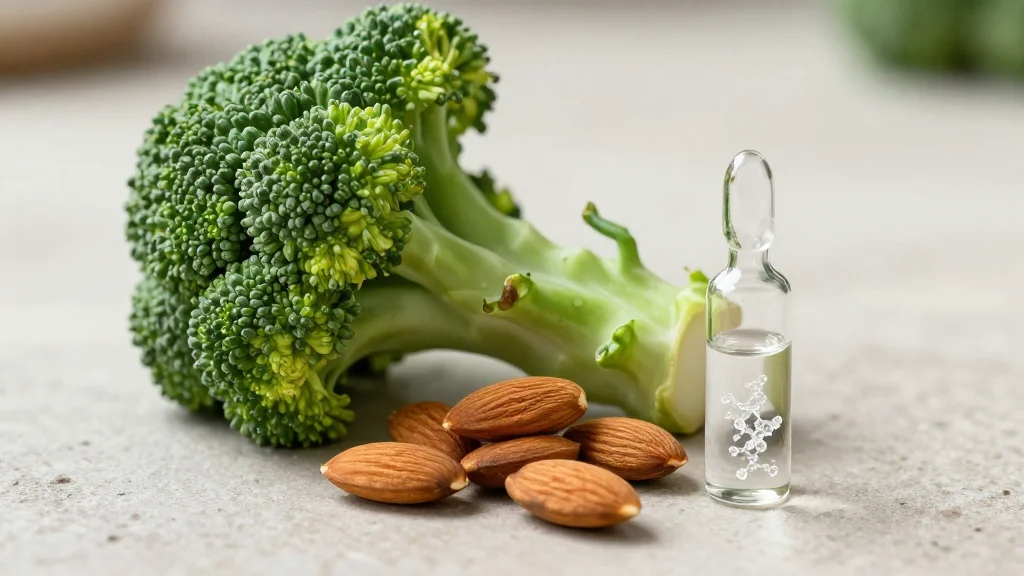
MIT Study Finds Cysteine Boosts Intestinal Stem Cells, Offering New Gut‑Healing Pathway

Why It Matters
Gut health sits at the intersection of immunity, metabolism, and neurological function, making it a focal point for both clinical oncology and the biohacking movement. By pinpointing cysteine as a natural trigger of intestinal stem‑cell regeneration, the MIT study provides a tangible, diet‑based lever that could reduce treatment‑related morbidity for cancer patients and empower individuals to proactively strengthen their gut barrier. The research also expands scientific understanding of how nutrients communicate with immune cells, potentially unlocking new therapeutic avenues beyond the gut. For the biohacking ecosystem, the findings translate a molecular mechanism into an actionable recommendation—dietary cysteine intake. This could accelerate the development of targeted supplement formulations and personalized nutrition plans, driving market growth in a sector already hungry for evidence‑backed interventions. Moreover, the study underscores the importance of integrating rigorous biomedical research with consumer health trends, ensuring that hype is grounded in reproducible science.
Key Takeaways
- •MIT researchers identified cysteine as the most potent amino acid for intestinal stem‑cell regeneration in mice.
- •Cysteine is converted to CoA, which activates CD8 T cells to produce IL‑22, a cytokine essential for gut repair.
- •Mice on a cysteine‑rich diet showed faster recovery from radiation‑induced intestinal damage.
- •Potential application as a natural supplement to mitigate chemotherapy and radiation side effects.
- •Findings align with biohacking focus on gut health, prompting interest in cysteine‑rich foods and supplements.
Pulse Analysis
The cysteine discovery arrives at a moment when the supplement industry is seeking scientifically validated claims to differentiate products in a crowded market. Historically, gut‑focused biohacks have relied on broad strategies—probiotics, fiber, fasting—often without clear mechanistic backing. By linking a single amino acid to a defined immune pathway, MIT provides a narrative that can be marketed with confidence, provided human data follow. This could catalyze a wave of niche formulations targeting IL‑22 modulation, similar to how omega‑3s were positioned around inflammation pathways.
From a clinical perspective, the research could reshape supportive care protocols in oncology. Current strategies to protect the gut, such as amifostine, carry significant side effects and cost. A dietary approach using cysteine‑rich foods or supplements would be inexpensive and potentially safer, but regulatory scrutiny will focus on dosing, purity, and interaction with chemotherapeutic agents. Early‑stage trials will need to demonstrate not just histological healing but functional outcomes—reduced diarrhea, improved nutrient absorption, and better quality of life.
Finally, the study highlights a broader shift toward precision nutrition, where specific nutrients are matched to cellular targets. If cysteine’s effect translates to humans, it may inspire similar investigations into other amino acids or micronutrients that influence stem‑cell niches across tissues. For investors and entrepreneurs, the window is open to fund translational research, develop proprietary cysteine delivery systems, and create data‑driven marketing platforms that bridge academic findings with consumer health trends.
MIT Study Finds Cysteine Boosts Intestinal Stem Cells, Offering New Gut‑Healing Pathway
Comments
Want to join the conversation?
Loading comments...