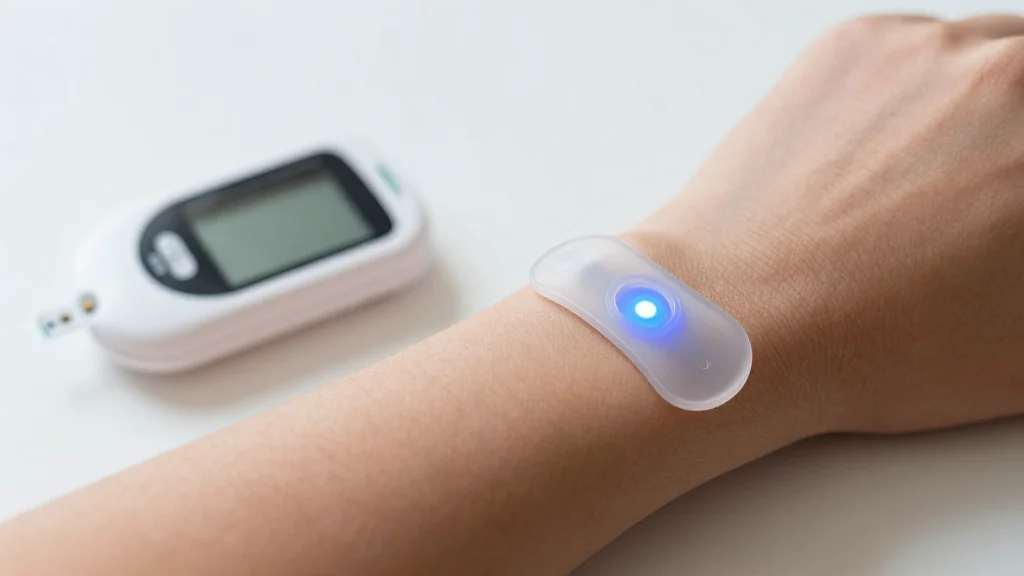
Normal HbA1c Levels May Hide Diabetes Risk, Study Warns Biohackers

Why It Matters
The study challenges the long‑standing perception of HbA1c as the definitive marker for diabetes, a belief that has shaped both clinical guidelines and the self‑tracking habits of millions of biohackers. By exposing a systematic blind spot, the research forces a reevaluation of how metabolic health is quantified, especially in populations with prevalent hemoglobin‑affecting conditions. For the broader biohacking community, the implications extend beyond individual health. Accurate glucose data underpins dietary experimentation, exercise regimens, and even emerging neuro‑metabolic interventions. Misreading that data can lead to misguided interventions, wasted resources, and delayed medical care. The push for multi‑test monitoring could accelerate the adoption of CGM technology, drive standards for data interoperability, and stimulate investment in affordable diagnostic tools tailored to diverse genetic backgrounds.
Key Takeaways
- •Lancet Regional Health study shows normal HbA1c can miss diabetes in up to 30% of Indian patients.
- •Common conditions like anemia and G6PD deficiency distort HbA1c results.
- •Researchers recommend combining HbA1c with OGTT, fasting plasma glucose and CGM.
- •Biohackers are urged to adopt multi‑metric glucose monitoring to avoid false security.
- •Indian health authorities are being urged to standardize HbA1c assays and expand CGM access.
Pulse Analysis
The Lancet paper arrives at a moment when the biohacking market is maturing from niche hobbyist circles into a mainstream health‑tech sector. Historically, HbA1c gained prominence because it required no fasting and offered a three‑month average, making it a convenient proxy for glucose control. However, the new evidence of a "glycation gap" aligns with a broader trend: the shift from single‑point biomarkers to continuous, high‑resolution data streams. This mirrors the evolution seen in cardiovascular monitoring, where wearables have supplanted occasional ECGs.
From a competitive standpoint, the study creates an opening for CGM manufacturers to position their devices as essential, not optional, tools for metabolic self‑management. Companies that can bundle CGM hardware with AI‑driven analytics—tailored to South Asian physiology—stand to capture a rapidly expanding user base. Conversely, firms that continue to market HbA1c‑only kits may see demand wane, especially if regulatory bodies adopt the study's recommendations.
Looking ahead, the integration of multi‑test protocols could catalyze a new wave of hybrid clinical‑consumer models. Tele‑medicine platforms may incorporate automated OGTT scheduling, remote CGM data review, and personalized coaching, blurring the line between doctor‑led care and self‑quantification. For biohackers, the key takeaway is clear: a single metric no longer suffices. Embracing a layered diagnostic approach will not only improve individual outcomes but also drive the next generation of data‑centric health solutions.
Normal HbA1c Levels May Hide Diabetes Risk, Study Warns Biohackers
Comments
Want to join the conversation?
Loading comments...