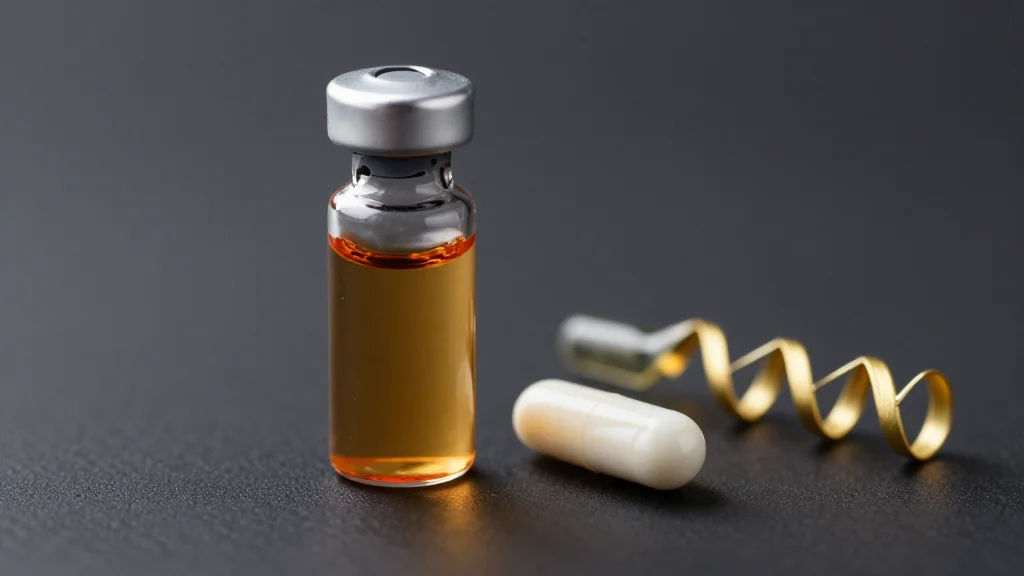
PapB Enzyme Enhances Ozempic; Endoscopic Procedure Cuts GLP‑1 Weight Rebound

Why It Matters
The PapB enzyme could redefine the pharmacokinetics of GLP‑1 drugs, turning weekly injections into potentially monthly or less frequent dosing schedules. Such a shift would lower treatment burden, improve adherence, and expand the market for peptide therapeutics beyond diabetes and obesity. Meanwhile, the duodenal mucosal resurfacing trial offers a procedural countermeasure to the notorious weight‑regain phenomenon that limits the long‑term success of GLP‑1 therapies. If validated, DMR could become a standard adjunct, reducing the need for continuous drug exposure and mitigating side‑effects associated with chronic GLP‑1 use. Together, these developments highlight a biohacking frontier where molecular engineering and minimally invasive procedures intersect, promising more durable metabolic control while raising questions about safety, cost, and equitable access. Policymakers and clinicians will need to craft guidelines that balance innovation with patient protection as these tools move from labs to clinics.
Key Takeaways
- •PapB enzyme macro‑cyclizes GLP‑1 peptides, enhancing stability and potentially extending dosing intervals
- •Karsten Eastman (University of Utah) described PapB as a "tiny molecular machine" for next‑gen peptide therapeutics
- •DMR trial: patients retained >80% of weight loss after tirzepatide cessation, versus double regain in sham group
- •Review in *The Nurse Practitioner* urges tighter monitoring as GLP‑1 prescriptions expand beyond diabetes
- •Fractyl Health plans U.S. regulatory filing for DMR in obesity by early 2027
Pulse Analysis
The convergence of PapB’s enzymatic macrocyclization and duodenal mucosal resurfacing reflects a broader shift in biohacking: moving from pure pharmacology toward hybrid solutions that blend chemistry, device therapy, and patient‑behavioral management. Historically, peptide drugs have been limited by rapid degradation, prompting costly formulation tricks like fatty‑acid conjugation. PapB sidesteps these constraints by re‑shaping the peptide itself, a strategy that could lower manufacturing complexity and reduce reliance on proprietary delivery platforms. If early animal data confirm the enzyme’s ability to preserve GLP‑1 activity in vivo, we may see a new class of “enzyme‑enhanced biologics” that could be licensed across multiple therapeutic areas, from oncology to neurodegeneration.
On the procedural side, DMR’s ability to sustain weight loss without ongoing drug exposure addresses a key economic and clinical pain point: the high cost and side‑effect profile of lifelong GLP‑1 therapy. By resetting the duodenal mucosa, the procedure appears to modulate nutrient sensing pathways that remain active even after drug withdrawal, effectively mimicking the drug’s metabolic signal. This could democratize weight‑maintenance strategies for patients who cannot afford or tolerate continuous injections, but it also raises regulatory questions about classifying a device as a weight‑loss adjunct versus a metabolic therapy.
Investors are likely to watch both pipelines closely. PapB could attract partnership interest from major GLP‑1 manufacturers seeking to extend product lifecycles, while DMR may spark a wave of device‑centric biotech startups aiming to capitalize on the obesity epidemic. However, the rapid rollout of these technologies must be tempered by rigorous safety data, especially given the enzyme’s novel mechanism and the invasive nature of gut‑reset procedures. The next 12‑18 months—when pre‑clinical data for PapB and pivotal DMR outcomes emerge—will determine whether these biohacks transition from experimental curiosities to standard‑of‑care options.
PapB Enzyme Enhances Ozempic; Endoscopic Procedure Cuts GLP‑1 Weight Rebound
Comments
Want to join the conversation?
Loading comments...