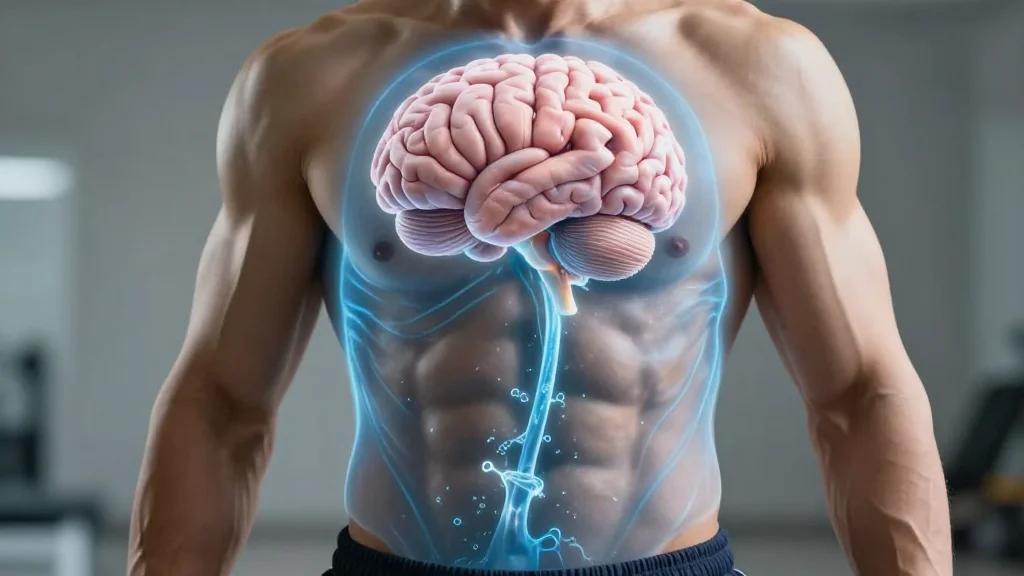
Penn State Study Shows Exercise Triggers Brain’s Hidden Cleaning Pump

Why It Matters
The glymphatic system has emerged as a critical factor in neurodegenerative disease risk, yet practical ways to boost its activity have remained elusive. By linking everyday movement to a hydraulic pressure that enhances fluid flow, the Penn State study offers a tangible, behavior‑based lever for biohackers and clinicians alike. This could accelerate the adoption of movement‑centric protocols aimed at preserving cognition and extending healthspan. Beyond individual health, the discovery may influence public‑health recommendations and corporate wellness programs. If core‑focused activity proves to be a scalable method for supporting brain clearance, policy makers could integrate short, targeted movement breaks into sedentary work environments, potentially reducing the societal burden of dementia and related disorders.
Key Takeaways
- •Penn State researchers observed brain displacement in mice the moment abdominal muscles contracted.
- •Two‑photon microscopy captured the hydraulic pressure that pushes blood toward the spinal cord and brain.
- •Patrick Drew said the mechanism "could serve as an important physiological mechanism promoting brain health."
- •The study suggests everyday movement may directly activate the glymphatic waste‑clearance system.
- •Future human MRI studies are planned to test whether core activation can boost brain cleaning in people.
Pulse Analysis
The identification of a mechanically driven glymphatic boost reframes exercise from a purely metabolic activity to a direct neuro‑protective tool. Historically, the brain’s waste‑clearance pathways were thought to be passive, largely dependent on sleep cycles. This research injects agency into the equation, implying that intentional movement patterns could be timed to complement sleep‑based clearance, creating a 24‑hour maintenance loop.
From a market perspective, the finding opens a niche for hardware and software solutions that monitor and stimulate abdominal pressure. Wearable tech firms have already explored respiratory biofeedback; extending that capability to quantify core engagement could differentiate next‑generation neuro‑optimizers. Moreover, supplement manufacturers may pivot to formulations that support vascular elasticity, ensuring the hydraulic pump operates efficiently.
Looking ahead, the key challenge will be translating murine observations to human physiology without oversimplification. Human trials must account for variability in posture, spinal curvature, and cardiovascular health. If successful, the principle could underpin a new class of “brain‑flush” protocols, positioning movement as a prescription as precise as any pharmaceutical. For biohackers, the message is clear: the simplest tools—core‑strengthening moves, breath work, or even brief abdominal squeezes—might become the cornerstone of elite cognitive performance regimens.
Penn State Study Shows Exercise Triggers Brain’s Hidden Cleaning Pump
Comments
Want to join the conversation?
Loading comments...