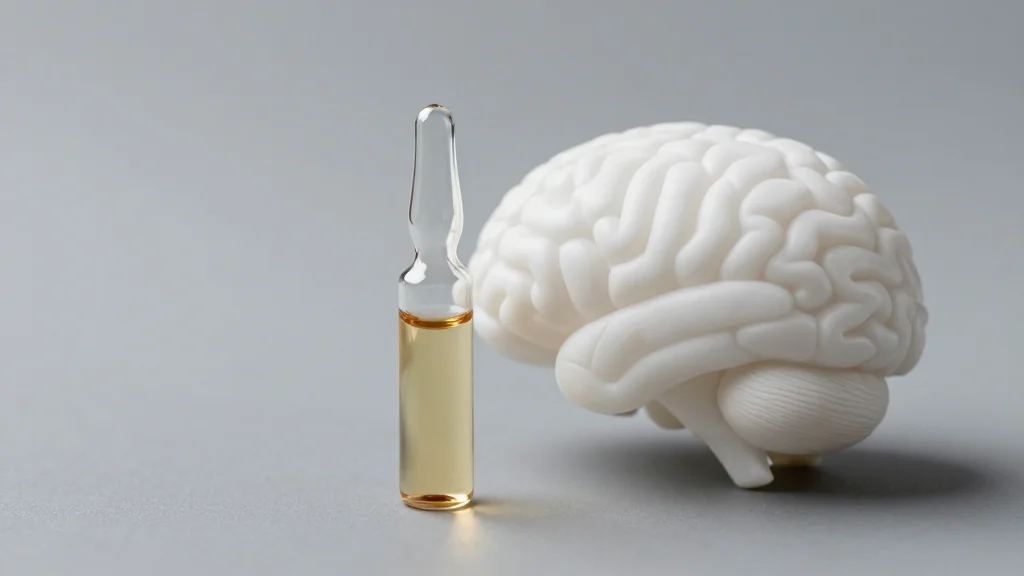
Psilocybin to Target Persistent Concussion Symptoms in Australia's First Clinical Trial
Why It Matters
Persistent concussion symptoms lack effective treatments, so a proven psilocybin therapy could transform care for millions and open a new therapeutic class for brain injury.
Key Takeaways
- •First Australian double‑blind, placebo‑controlled psilocybin trial for concussion
- •Targets neuroinflammation and neural connectivity in patients with symptoms ≥6 months
- •Trial includes blood and neuroimaging biomarkers to track drug effects
- •Up to 50% of concussion sufferers experience persistent symptoms
- •Researchers hope benefits last at least six months post‑treatment
Pulse Analysis
Concussion remains one of the most common traumatic brain injuries, with roughly 50% of sufferers developing symptoms that linger beyond the acute phase. Cognitive fog, mood swings, headaches and sleep disturbances can persist for months or years, yet conventional medicine offers only symptomatic relief. In recent years, psychedelics such as psilocybin have moved from fringe research to mainstream clinical trials, driven by evidence that they modulate serotonin pathways, reduce neuroinflammation, and enhance neuroplasticity. Monash University’s initiative builds on a pre‑clinical study showing a single macrodose can reverse microglial activation in rodent models, positioning the trial at the intersection of neuroscience and psychedelic therapy.
The trial’s design reflects a rigorous, data‑driven approach. Participants will receive either psilocybin or an active placebo under double‑blind conditions, with comprehensive monitoring that includes functional MRI, EEG, and blood‑based inflammatory markers. By correlating changes in brain connectivity with symptom scales, researchers aim to pinpoint the biological mechanisms behind any observed improvement. The inclusion of an integration therapy component—pre‑session preparation and post‑session counseling—mirrors best practices from psychiatric psychedelic studies, ensuring safety while maximizing therapeutic benefit. If the six‑month follow‑up demonstrates sustained symptom reduction, the protocol could set a new standard for treating chronic mild traumatic brain injury.
Beyond the clinical implications, the study signals a broader shift in regulatory attitudes toward psychedelics in Australia and globally. Successful outcomes could accelerate pathways for fast‑track approvals, attract private investment, and stimulate a nascent market for neuro‑rehabilitation drugs. Healthcare systems grappling with the long‑term costs of concussion‑related disability may find a cost‑effective, disease‑modifying option in psilocybin, reshaping reimbursement models and patient care pathways. The trial therefore not only promises relief for individual patients but also heralds a potential paradigm change in brain‑injury therapeutics.
Psilocybin to target persistent concussion symptoms in Australia's first clinical trial
Comments
Want to join the conversation?
Loading comments...