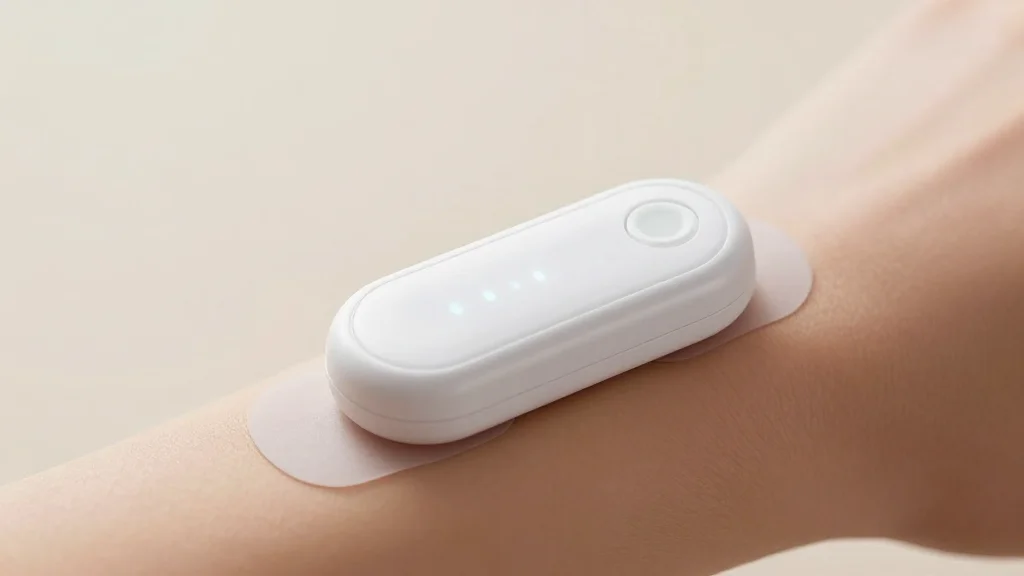
Real‑time CGM Cuts HbA1c in Large Type 2 Diabetes Trial

Why It Matters
The FreeDM2 trial provides the strongest clinical evidence to date that continuous glucose monitoring can improve metabolic control in type 2 diabetes, a condition traditionally managed with intermittent finger‑prick tests. By delivering real‑time data, CGM empowers patients to make immediate lifestyle adjustments, a core principle of the biohacking movement. Wider adoption could accelerate a shift toward data‑driven self‑care, reducing reliance on episodic lab tests and potentially lowering the burden of diabetes‑related complications. Beyond individual health, the trial’s findings could influence health‑system economics. Better glycemic control is linked to fewer hospitalizations and lower long‑term treatment costs. If insurers adopt CGM coverage based on these outcomes, the market for wearable glucose sensors could expand dramatically, prompting manufacturers to innovate on sensor accuracy, wearability, and integration with digital health platforms.
Key Takeaways
- •303 adults with type 2 diabetes on basal insulin enrolled in the FreeDM2 trial
- •Real‑time CGM outperformed finger‑prick testing in reducing HbA1c and increasing time‑in‑range
- •Study published in The Lancet Diabetes & Endocrinology and presented in Liverpool
- •Findings support expanding CGM use beyond type 1 to mainstream type 2 care
- •Potential to reshape insurance coverage and national diabetes guidelines
Pulse Analysis
The FreeDM2 trial marks a turning point for continuous glucose monitoring, moving it from a niche tool for type 1 patients to a mainstream therapeutic option for the far larger type 2 population. Historically, CGM adoption has been hampered by cost and limited evidence of benefit in insulin‑treated type 2 patients. This trial, with a robust randomized design and a sizable cohort, provides the data needed to challenge that status quo.
From a market perspective, the validation of CGM in type 2 diabetes could unlock a multi‑billion‑dollar opportunity for sensor manufacturers. Companies that have focused on the type 1 segment will likely pivot to develop lower‑cost, longer‑lasting sensors tailored to the metabolic profiles of type 2 patients, who often have higher BMI and different skin characteristics. Simultaneously, digital health platforms that aggregate CGM data with diet, activity, and medication logs stand to gain as clinicians seek actionable insights from continuous streams of information.
Policy implications are equally significant. Health systems that have been reluctant to fund CGM may now be compelled to reassess cost‑effectiveness models, especially if long‑term studies confirm reductions in cardiovascular events and renal disease. The biohacking community, which has long advocated for personal data ownership and real‑time health feedback, will likely see its arguments gain clinical legitimacy, potentially accelerating regulatory pathways for consumer‑grade devices. In the next 12‑18 months, we can expect guideline committees to debate CGM inclusion, insurers to negotiate pricing tiers, and a wave of patient‑driven adoption that could redefine diabetes management.
Real‑time CGM cuts HbA1c in large type 2 diabetes trial
Comments
Want to join the conversation?
Loading comments...