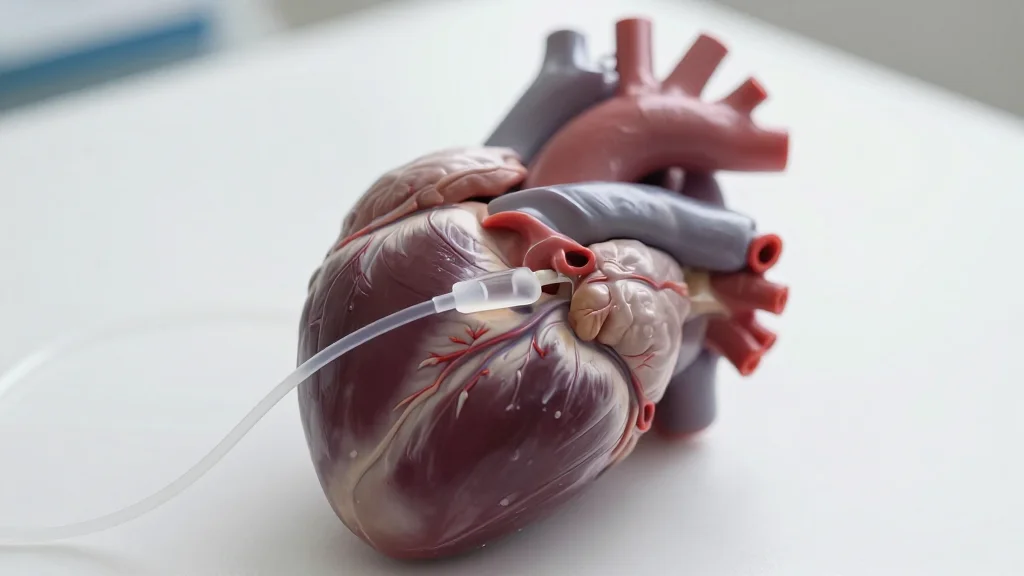
RNA Therapy Slows Harmful Heart Remodeling After Heart Attack in Clinical Trial
Companies Mentioned
Why It Matters
CDR132L demonstrates that targeting non‑coding RNA can modify disease progression after a heart attack, offering a potential new class of cardiology drugs and a commercial opportunity for biotech investors.
Key Takeaways
- •CDR132L, an antisense miR‑132 inhibitor, showed safety in Phase II HF‑REVERT trial
- •Trial enrolled 294 post‑MI patients; 280 analyzed after at least one dose
- •Patients with advanced cardiac remodeling experienced greatest improvement in left‑ventricular function
- •Therapy reduced progression of heart failure without liver, kidney, or hematopoietic toxicity
- •Cardior, founded by Prof. Thum, was acquired by Novo Nordisk in 2024
Pulse Analysis
RNA‑based medicines have moved from rare genetic disorders into mainstream cardiology, and the miR‑132 pathway exemplifies this shift. MicroRNA‑132 drives pathological hypertrophy by silencing genes that normally restrain heart‑muscle growth, leading to left‑ventricular systolic dysfunction after myocardial infarction. By designing an antisense oligonucleotide—CDR132L—that binds and neutralizes miR‑132, researchers can interrupt this maladaptive signaling cascade. The approach builds on a decade of pre‑clinical work at Hannover Medical School, where the molecule first demonstrated reversal of chronic heart failure in animal models.
The international Phase II HF‑REVERT study enrolled 294 patients across 80 centres in seven European nations and the United Kingdom within two weeks of a heart attack. Participants received three intravenous infusions of CDR132L at two dose levels or placebo, on top of guideline‑directed heart‑failure therapy. Of the 280 patients who received at least one dose, the drug was well tolerated, showing no liver, kidney, hematopoietic or cardiac safety signals. Most notably, subjects with already advanced ventricular remodeling exhibited a statistically significant improvement in left‑ventricular ejection fraction compared with placebo.
The trial’s findings validate non‑coding RNA as a druggable target in acute cardiac injury and pave the way for larger Phase III programs. Cardior Pharmaceuticals, the spin‑off that originated CDR132L, was acquired by Novo Nordisk in 2024, giving the Danish group a foothold in cardiovascular RNA therapeutics. Ongoing studies in chronic heart‑failure cohorts, co‑led by Novo Nordisk, will test whether repeated dosing can sustain functional gains and reduce hospitalizations. If successful, CDR132L could become the first disease‑modifying RNA therapy for post‑myocardial‑infarction patients, reshaping treatment algorithms and creating a new revenue stream for biotech investors.
RNA therapy slows harmful heart remodeling after heart attack in clinical trial
Comments
Want to join the conversation?
Loading comments...