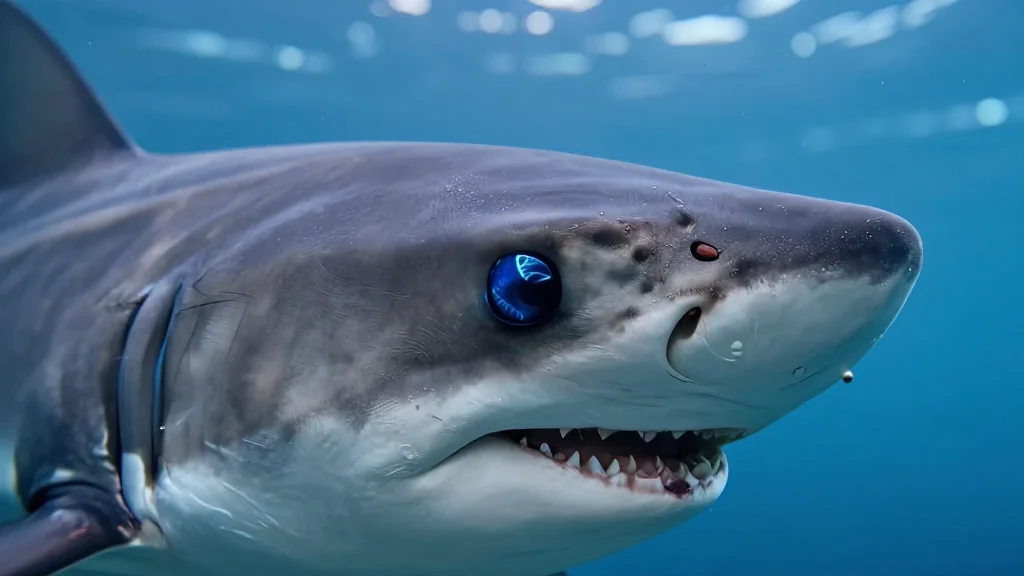
Scientists Decode Greenland Shark Genome, Uncover Genetic Clues to 400‑Year Lifespan

Companies Mentioned
Why It Matters
Understanding the genetic architecture of the Greenland shark’s extraordinary lifespan offers a rare glimpse into natural longevity mechanisms that have evolved over millennia. For biohackers, who often rely on model organisms and high‑throughput screens, a vertebrate that naturally defies conventional aging limits provides a novel comparative model. The identified histone H1.0 modifications and ferroptosis‑related genes could become focal points for epigenetic and metabolic interventions aimed at slowing human aging. Moreover, the public release of a high‑quality, chromosome‑level genome accelerates collaborative research across disciplines. Evolutionary biologists can now trace the emergence of longevity‑associated traits, while synthetic biologists and pharmacologists can design targeted assays to evaluate the functional relevance of these shark‑specific adaptations in mammalian systems. The cross‑species insights may ultimately narrow the gap between speculative biohacking and evidence‑based longevity therapeutics.
Key Takeaways
- •Researchers assembled a 5.9 Gb chromosome‑level Greenland shark genome with 96.7% completeness.
- •Unique amino‑acid substitutions in linker histone H1.0 may enhance chromatin stability.
- •Gene‑family expansions suggest reinforced immune function, cancer resistance, and DNA repair.
- •Potential link between ferroptosis pathways and the shark’s 392‑year lifespan.
- •Data deposited publicly (BioProject PRJNA1218902) for immediate use by the biohacking community.
Pulse Analysis
The Greenland shark genome marks a watershed for longevity research, shifting the focus from short‑lived laboratory models to a vertebrate that naturally outlives humans by centuries. Historically, biohacking has leaned on yeast, worms, and mice to test anti‑aging interventions. This new dataset expands the toolbox, offering a high‑resolution view of how a slow‑metabolism, deep‑sea predator safeguards its genome over decades. The histone H1.0 findings are especially intriguing; chromatin compaction is a known hallmark of aging, and engineered mimics of these shark‑specific residues could become a new class of epigenetic therapeutics.
From a market perspective, the release is likely to stimulate venture capital interest in startups that specialize in epigenetic editing and ferroptosis modulation. Companies that can translate these marine‑derived insights into drug candidates may attract funding comparable to recent longevity‑focused IPOs. However, the translational gap remains wide—functional validation in mammalian cells will be costly and time‑intensive, and regulatory pathways for epigenetic therapies are still nascent.
Looking ahead, the real impact will depend on interdisciplinary collaboration. If biohackers, academic labs, and biotech firms can jointly develop CRISPR screens or small‑molecule libraries targeting the shark’s unique proteins, we may see the first wave of interventions that move beyond caloric restriction mimetics toward direct manipulation of chromatin architecture. The Greenland shark genome thus serves not only as a scientific milestone but also as a catalyst for a new era of longevity biohacking, where deep‑sea genetics inform human health‑span extension strategies.
Scientists Decode Greenland Shark Genome, Uncover Genetic Clues to 400‑Year Lifespan
Comments
Want to join the conversation?
Loading comments...