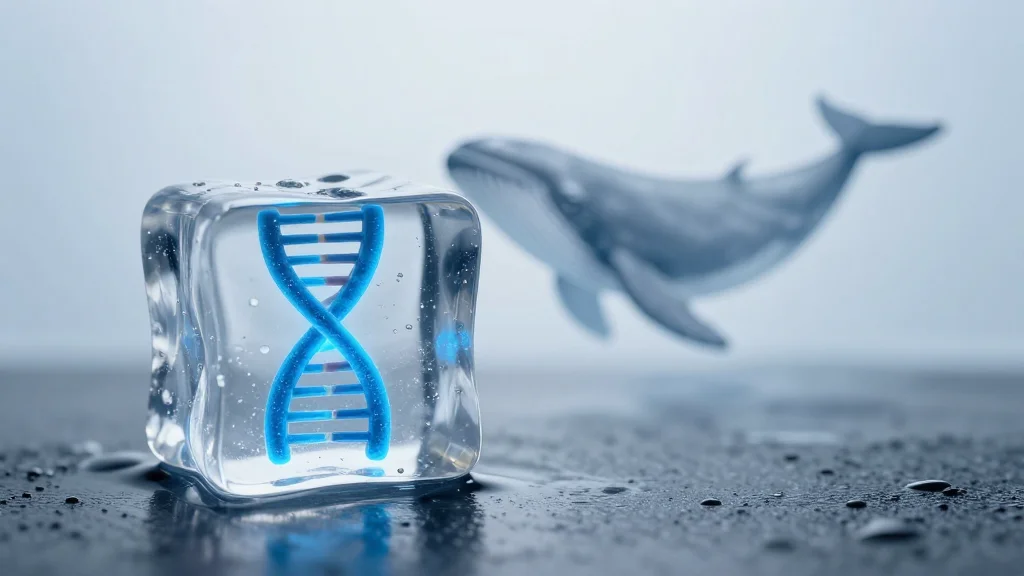
Scientists Identify CIRBP Protein That May Extend Human Lifespan to 200 Years

Why It Matters
The identification of CIRBP bridges a gap between natural longevity observed in extreme‑age species and human anti‑aging strategies. By targeting the fundamental process of DNA repair, the protein offers a mechanistic route to slow or reverse cellular aging, a goal that has eluded most interventions that focus on symptoms rather than root causes. For the biohacking ecosystem, CIRBP represents a potential low‑cost, biologically grounded lever that could democratize access to longevity science, shifting the conversation from speculative supplements to evidence‑based molecular tools. Moreover, the discovery raises broader societal questions about the desirability and equity of dramatically extended lifespans. If CIRBP‑based therapies become viable, they could exacerbate existing disparities in health access, prompting policymakers to consider how to integrate such technologies into public health frameworks. The scientific community must balance enthusiasm with rigorous safety standards to ensure that any lifespan‑extending intervention does not introduce new forms of biological risk.
Key Takeaways
- •CIRBP protein from bowhead whales improves DNA repair in human cells
- •Laboratory tests show up to three‑fold faster repair of double‑strand breaks
- •Cold exposure may modestly increase CIRBP levels in humans
- •Potential market impact includes anti‑aging therapeutics and biohacking products
- •Next steps involve animal studies and early‑phase human clinical trials
Pulse Analysis
The CIRBP discovery arrives at a moment when the longevity sector is consolidating around DNA‑repair and senescent‑cell clearance strategies. Compared with earlier hype around telomere extension, CIRBP offers a more direct, enzymatic pathway that can be quantified in vitro, which may accelerate investor confidence. However, the path from cell culture to a marketable product is fraught with translational hurdles. Past attempts to commercialize DNA‑repair enzymes have stumbled on delivery challenges and off‑target effects, suggesting that any CIRBP‑based therapy will need innovative delivery platforms, perhaps leveraging nanoparticle carriers or viral vectors.
From a competitive standpoint, established biotech firms such as Unity Biotechnology and Calico have already built pipelines targeting age‑related damage. CIRBP could either complement these efforts—by providing a synergistic boost to existing senolytic regimens—or spark a new wave of niche startups focused exclusively on the protein. The biohacking community, accustomed to rapid iteration, may accelerate early adoption through open‑source protocols, but this also raises the risk of unregulated use. A coordinated response from regulators, researchers, and industry will be essential to channel the enthusiasm into safe, evidence‑based applications rather than a proliferation of untested DIY hacks.
In the longer view, if CIRBP proves effective in vivo, it could shift the narrative of aging from inevitable decline to a modifiable condition, reshaping healthcare economics, retirement planning, and even societal structures. The coming years will reveal whether CIRBP remains a laboratory curiosity or becomes a cornerstone of the next generation of longevity interventions.
Scientists Identify CIRBP Protein That May Extend Human Lifespan to 200 Years
Comments
Want to join the conversation?
Loading comments...