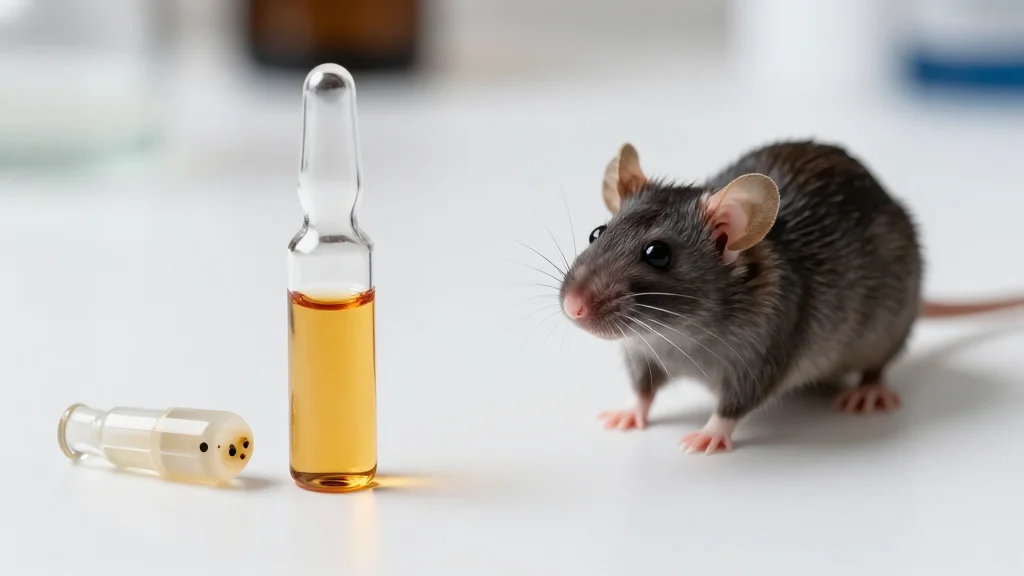
Sea Squirts’ Plasmalogens Show Promise in Reversing Aging Markers in Mice

Why It Matters
The study underscores a shift in biohacking from anecdotal supplements toward evidence‑based, molecularly targeted interventions. By pinpointing a naturally occurring lipid that declines with age, researchers provide a tangible biomarker for dietary strategies aimed at healthspan extension. If human trials succeed, plasmalogen supplementation could become a cornerstone of precision nutrition, influencing everything from functional food development to personalized supplement regimens. Beyond individual health, the findings could reshape regulatory frameworks for nutraceuticals. Demonstrated efficacy in a controlled trial would pressure agencies like the FDA to reconsider how such compounds are classified, potentially tightening oversight while also legitimizing a new class of anti‑aging products.
Key Takeaways
- •Multi‑university study tested daily plasmalogen supplements from sea squirts in older female mice.
- •Treated mice showed faster navigation in the Morris water maze, indicating improved spatial memory.
- •Physical signs of aging reversed: mice grew thicker, darker, glossier fur.
- •Plasmalogens constitute ~20% of human tissue phospholipids and decline with age, linking them to neurodegeneration.
- •Researchers plan a pilot human trial in 2026 to assess safety and cognitive impact.
Pulse Analysis
The sea‑squid plasmalogen story arrives at a moment when the biohacking market is saturated with hype‑driven claims but starved for rigorous data. Historically, longevity interventions have swung between promising animal work—like rapamycin and metformin—and disappointing human outcomes. This study distinguishes itself by focusing on a molecule already present in human biology, reducing the translational gap compared to wholly synthetic compounds.
From a market perspective, the potential upside is sizable. The global anti‑aging supplement market is projected to exceed $70 billion by 2030, and a scientifically validated ingredient could capture a premium segment. However, the path to commercialization is fraught with challenges: scaling sea‑squid harvest sustainably, ensuring batch‑to‑batch consistency of plasmalogen content, and navigating a regulatory landscape that currently treats most nutraceuticals as low‑risk. Companies that can secure reliable supply chains and demonstrate clinical efficacy will likely dominate.
Strategically, the study also signals a broader trend toward cross‑border scientific collaboration. The partnership between Chinese institutions and Stanford illustrates a growing willingness to pool resources on high‑impact aging research. If the upcoming human trial confirms the murine results, we may see a new wave of biotech ventures focused on lipid‑based therapeutics, potentially reshaping the competitive dynamics between traditional supplement manufacturers and emerging biotech firms.
Overall, while the mouse data are encouraging, the biohacking community should temper enthusiasm with scientific rigor. The next six months—when human data emerge—will be the true test of whether sea‑squid plasmalogens move from laboratory curiosity to mainstream longevity tool.
Sea Squirts’ Plasmalogens Show Promise in Reversing Aging Markers in Mice
Comments
Want to join the conversation?
Loading comments...