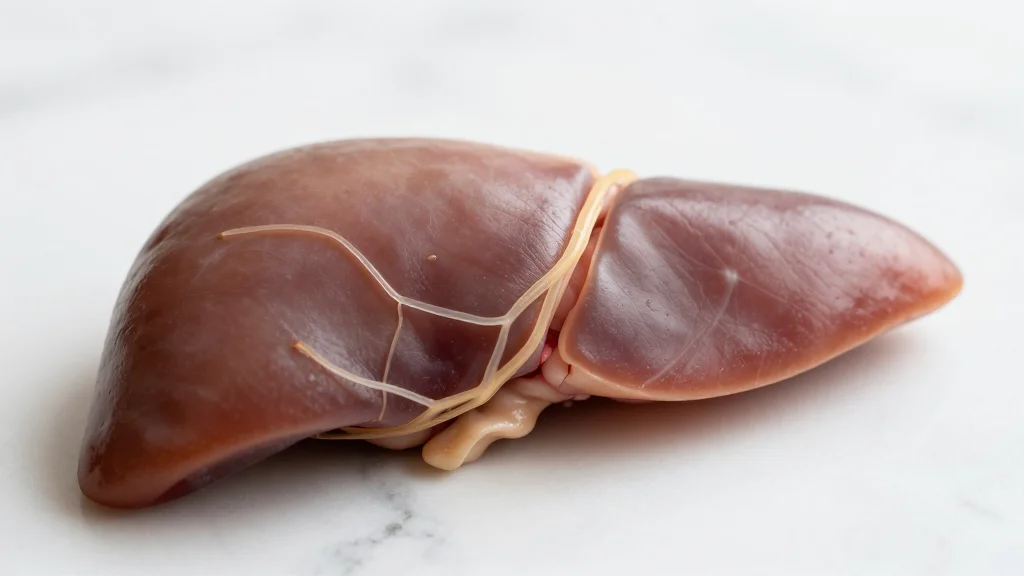
SIRT6 Boost Reverses Age-Related Liver Chromatin Decline in Mice

Why It Matters
Restoring chromatin architecture tackles aging at a foundational level, moving beyond symptomatic treatments toward a reversible epigenetic state. For the biohacking ecosystem, the study validates a target that can be pursued through both genetic and pharmacologic routes, potentially accelerating the development of DIY or clinic‑based anti‑aging protocols. If SIRT6 activation proves safe in humans, it could reshape strategies for age‑related liver disease, metabolic syndrome, and systemic inflammation—conditions that drive morbidity in older populations. The broader implication is a shift from treating downstream symptoms to re‑establishing youthful gene regulation, a paradigm that could ripple across multiple organ systems.
Key Takeaways
- •Bar‑Ilan University researchers overexpressed SIRT6 in 18‑ to 21‑month‑old mice.
- •SIRT6 elevation preserved ~95% of age‑related chromatin changes in the liver.
- •Inflammatory interferon‑alpha pathways were reduced while metabolic genes were re‑activated.
- •LINE‑1 repetitive elements remained closed, indicating improved genomic stability.
- •Findings published in *Nature Communications* suggest a gene‑level anti‑aging strategy.
Pulse Analysis
The SIRT6 study arrives at a moment when the biohacking market is hungry for molecular levers that can be self‑administered or delivered via emerging gene‑therapy platforms. Historically, sirtuins gained fame after the NAD+‑boosting narrative surrounding resveratrol, but most commercial efforts have focused on SIRT1. SIRT6, by contrast, operates directly on chromatin remodeling, offering a more upstream control point. This mechanistic distinction could make SIRT6 a premium target for biotech startups seeking differentiation.
From a competitive standpoint, the data give a clear advantage to firms developing small‑molecule SIRT6 activators, such as the nascent biotech firms that have filed patents on SIRT6‑binding scaffolds. Meanwhile, the DIY bio community may gravitate toward CRISPR‑based delivery vectors, leveraging recent advances in lipid nanoparticle technology to achieve liver‑specific expression. However, the translational gap is non‑trivial: mouse liver physiology does not fully recapitulate human metabolic complexity, and systemic overexpression of SIRT6 could have unforeseen effects on other tissues, including potential tumor‑suppressor interactions.
Looking ahead, the key milestones will be proof‑of‑concept studies in non‑rodent models and early‑phase human trials assessing safety and epigenetic readouts. Regulatory clarity around gene‑editing for anti‑aging purposes will also shape the commercial trajectory. If these hurdles are cleared, SIRT6 activation could become the flagship intervention that bridges the gap between laboratory biohacking and mainstream geroscience, redefining how we approach age‑related decline.
SIRT6 Boost Reverses Age-Related Liver Chromatin Decline in Mice
Comments
Want to join the conversation?
Loading comments...