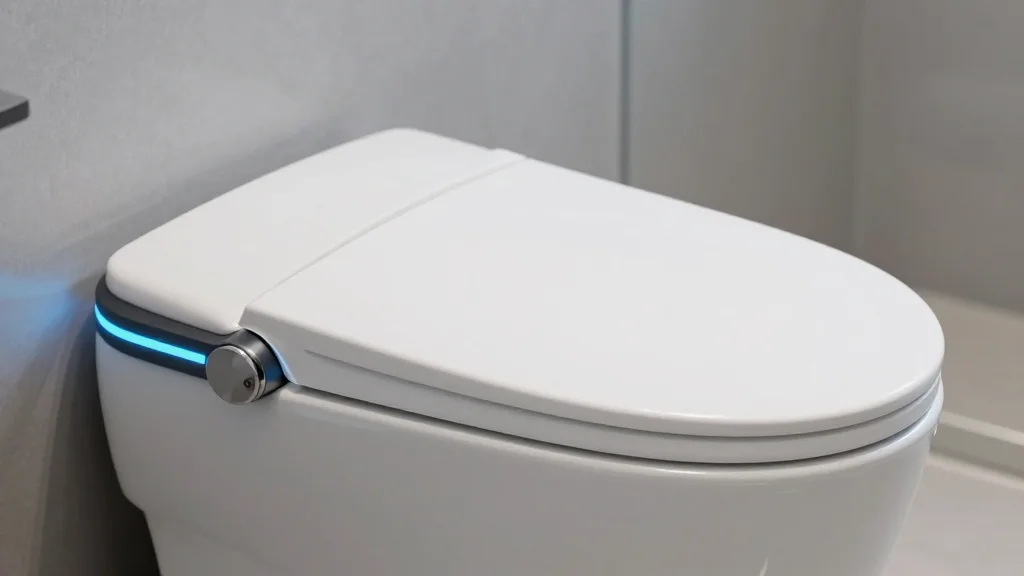
Smart Toilets Turn Waste Into Real‑Time Health Data, Launching at $200‑$400

Companies Mentioned
Why It Matters
The emergence of smart toilet health trackers signals a shift toward hyper‑personalized preventive medicine. By turning a daily routine into a data‑rich health check, these devices could enable earlier detection of metabolic disorders, reducing the burden on an overstretched healthcare system. Moreover, the technology expands the biohacker toolkit beyond wearables, offering a new avenue for individuals to experiment with diet, hydration and microbiome interventions based on real‑time feedback. If privacy safeguards and pricing structures prove adequate, smart toilets could become a standard fixture in health‑focused homes, driving demand for interoperable health platforms and prompting insurers to consider coverage for continuous waste monitoring. The ripple effects may reshape how clinicians interpret longitudinal biomarker trends, potentially redefining diagnostic pathways for chronic diseases.
Key Takeaways
- •Kohler Health, Withings and Throne Science launched AI‑driven smart toilet trackers priced $200‑$400.
- •Devices analyze urine and stool for hydration, ketones, pH and metabolic markers.
- •Subscription models cover cartridge replacements and cloud analytics.
- •Executives claim the tech can flag early signs of diabetes, kidney disease and gut disorders.
- •Privacy and cost remain key hurdles as the market targets mainstream biohackers.
Pulse Analysis
The smart toilet wave builds on a decade of wearables that have normalized continuous biometric monitoring. Unlike wrist‑worn sensors, waste analysis offers a direct window into metabolic processes that are otherwise difficult to capture without invasive testing. This could give early‑stage biohackers a richer data set to fine‑tune nutrition and lifestyle experiments, accelerating the feedback loop that drives self‑optimization.
From a market perspective, the entry of established brands like Kohler and Withings lends credibility that may attract venture capital and insurance partnerships. However, the subscription cost for consumable cartridges introduces a recurring expense that could deter price‑sensitive consumers, especially when compared to one‑time wearable purchases. Companies that can bundle cartridge costs into broader wellness packages or secure bulk deals with health plans may achieve scale faster.
Regulatory scrutiny will likely intensify as the devices move from consumer gadgets to quasi‑diagnostic tools. The FDA’s Software as a Medical Device (SaMD) framework could apply, forcing manufacturers to validate accuracy claims for disease‑related biomarkers. Early adopters who can demonstrate clinical utility may set the standard, while laggards risk being sidelined by stricter compliance requirements. In the next 12‑18 months, the sector’s trajectory will hinge on balancing data privacy, affordability and regulatory approval, determining whether bathroom‑based biohacking becomes a niche curiosity or a mainstream health pillar.
Smart Toilets Turn Waste into Real‑Time Health Data, Launching at $200‑$400
Comments
Want to join the conversation?
Loading comments...