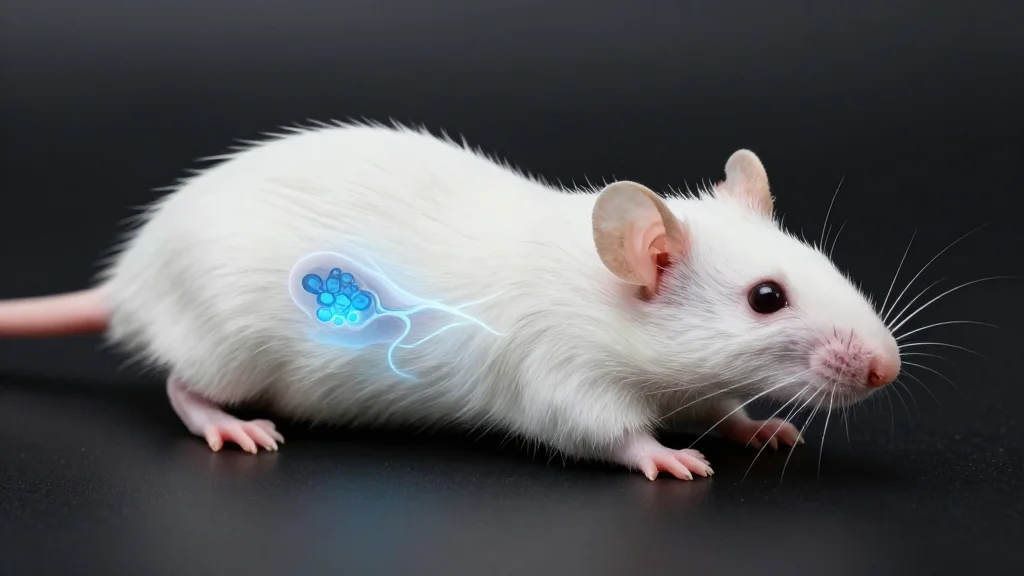
Stanford Researchers Cure Type‑1 Diabetes in Mice with Low‑Toxicity Stem‑Cell Transplant

Why It Matters
The ability to induce durable immune tolerance without chronic immunosuppression could reshape treatment paradigms for autoimmune diseases, organ transplantation, and even emerging biohacker protocols that aim to reset metabolism. By demonstrating that a mixed immune system can protect transplanted islets, the study offers a proof‑of‑concept that may reduce the long‑term health burdens associated with current therapies. For the biohacking community, the research provides a scientifically vetted alternative to high‑risk, self‑administered stem‑cell infusions. It also raises critical questions about access, regulation, and the speed at which such advances can move from the lab to the DIY sphere, highlighting the need for clear ethical guidelines as the technology matures.
Key Takeaways
- •Stanford researchers cured or prevented type‑1 diabetes in 100% of treated mice using a combined stem‑cell and islet transplant.
- •The protocol eliminates the need for chronic immunosuppression and reduces pre‑conditioning toxicity compared with traditional HCT.
- •Mixed hematopoietic chimerism creates a hybrid immune system that tolerates donor tissue and stops autoimmune attack.
- •Study published in Journal of Clinical Investigation Insight; senior author Seung K. Kim, MD, PhD, highlighted translational potential.
- •Biohackers are eyeing the method as a safer route to metabolic resets, while regulators caution that human trials are still years away.
Pulse Analysis
Stanford’s low‑toxicity transplant represents a convergence of two trends: the push for immune tolerance in solid‑organ transplantation and the growing appetite among biohackers for clinically credible, low‑risk interventions. Historically, hematopoietic stem‑cell transplants have been hampered by conditioning regimens that cause organ damage, limiting their appeal outside specialist centers. By slashing that toxicity, the new protocol lowers the barrier to entry for both academic trials and commercial ventures, potentially accelerating the pipeline for autoimmune therapeutics.
From a market perspective, the breakthrough could catalyze a wave of investment into mixed‑chimerism platforms. Venture capital has already flowed into companies developing engineered stem‑cell products, and a successful human translation would validate a whole class of cell‑based tolerance solutions. This, in turn, may pressure traditional pharmaceutical firms that rely on lifelong immunosuppressive drugs to reconsider their R&D focus.
However, the excitement must be tempered by practical realities. Mouse models, while informative, often fail to predict human immune complexity. The path to an IND filing will involve extensive toxicology, scaling of cell manufacturing, and navigating FDA guidance on cellular therapies. Moreover, the biohacker community’s enthusiasm could outpace regulatory oversight, prompting debates over self‑administration versus clinical supervision. The next few years will test whether the scientific promise can be matched by a responsible translational framework that balances innovation with patient safety.
Stanford Researchers Cure Type‑1 Diabetes in Mice with Low‑Toxicity Stem‑Cell Transplant
Comments
Want to join the conversation?
Loading comments...