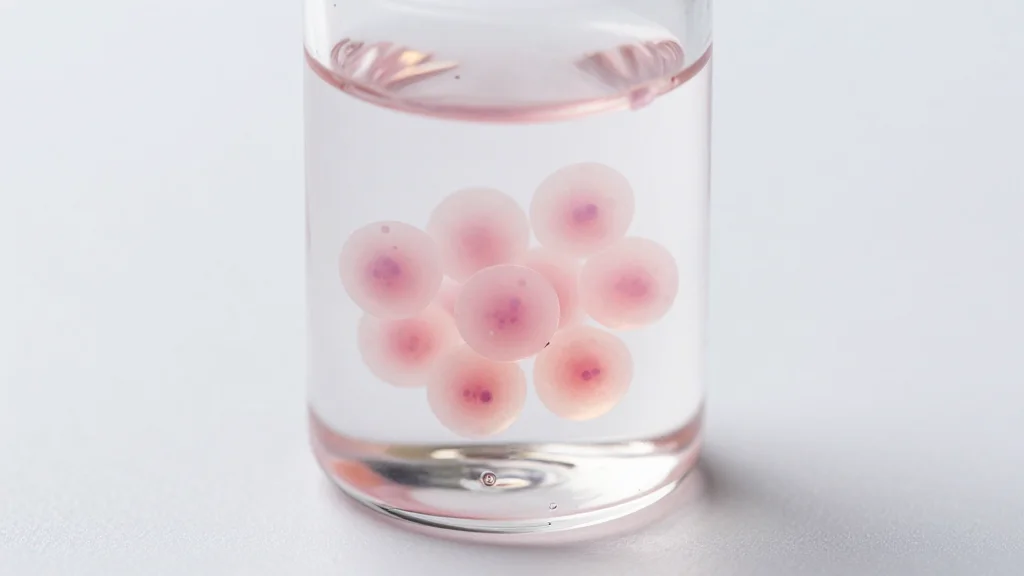
Stem‑Cell Transplants Restore Insulin Production in Type 1 Diabetes, Early Trial Shows

Why It Matters
Restoring the body's own insulin production could fundamentally change the management of Type 1 diabetes, shifting the paradigm from chronic drug dependence to a one‑time regenerative therapy. For the biohacking community, the breakthrough validates the pursuit of cellular reprogramming and personalized medicine, potentially opening pathways for self‑administered treatments that bypass conventional healthcare bottlenecks. Moreover, success in this arena could accelerate investment and research into other autoimmune conditions, expanding the scope of bio‑engineered cures. The trial also spotlights the intersection of cutting‑edge stem‑cell science with real‑world health outcomes, a nexus that biohackers have long championed. Demonstrating that lab‑grown cells can function in humans bridges the gap between experimental biology and practical, everyday health optimization, reinforcing the credibility of biohacking as a legitimate avenue for medical innovation.
Key Takeaways
- •Early clinical trial shows stem‑cell‑derived beta cells survive, mature and secrete insulin after transplantation.
- •Transplants reduced patients' reliance on exogenous insulin, though exact dosage changes were not disclosed.
- •Immune rejection remains a key obstacle; researchers are testing gene‑editing and encapsulation to mitigate risk.
- •The results have attracted biohacker interest for potential DIY‑style regenerative therapies.
- •Phase‑II trials and regulatory review are slated for the next 12‑18 months.
Pulse Analysis
The stem‑cell beta cell transplant trial arrives at a moment when the biohacking movement is increasingly focused on regenerative solutions rather than purely augmentative ones. Historically, biohackers have gravitated toward wearable tech, nootropics, and gene‑editing kits; this study expands the toolbox to include cellular therapies that could, in theory, be self‑administered once safety and scalability are proven. The key differentiator is the shift from symptom management to disease reversal, a narrative that resonates deeply with a community that values autonomy over chronic medical dependence.
From a market perspective, the trial validates a segment of the biotech pipeline that has struggled to demonstrate clinical relevance. Venture capital that previously favored CRISPR‑based gene therapies is now diversifying into stem‑cell platforms that promise off‑the‑shelf products. Companies that can combine immune‑evasive engineering with robust manufacturing will likely dominate the next wave of investment, creating a competitive landscape where biohackers could become early adopters or even co‑developers through open‑source collaborations.
Looking forward, the regulatory environment will be the decisive factor. If agencies such as the FDA adopt a flexible, data‑driven approach to cell‑based therapies, the pathway to commercial availability could be accelerated, potentially enabling hybrid models where clinics provide the procedure while biohackers handle pre‑ and post‑treatment monitoring. Conversely, stringent oversight could confine the technology to specialized centers, limiting the biohacker impact. The next 12 months—marked by larger trials and deeper immunogenicity data—will therefore shape not only the therapeutic outlook for Type 1 diabetes but also the broader trajectory of biohacking’s role in mainstream medicine.
Stem‑Cell Transplants Restore Insulin Production in Type 1 Diabetes, Early Trial Shows
Comments
Want to join the conversation?
Loading comments...