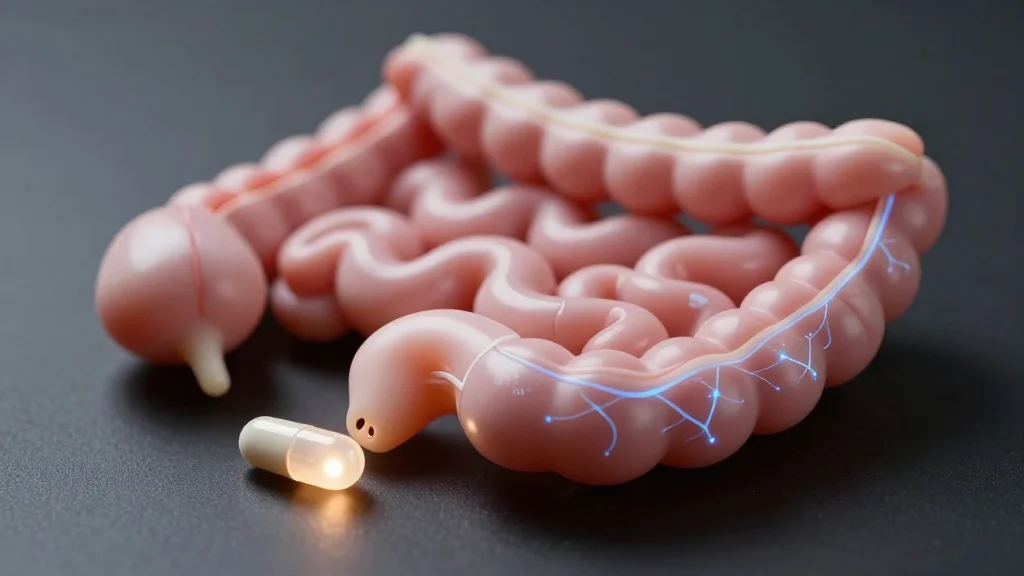
Stress Hormones Disrupt Gut Motility via BDNF Pathway, Study Finds

Why It Matters
The discovery that stress hormones directly impair gut motility through a defined BDNF‑TrkB pathway reshapes how the biohacking community approaches digestive health. By moving from broad lifestyle advice to a specific molecular target, practitioners can potentially leverage precise interventions—whether pharmacologic or neuromodulatory—to mitigate stress‑related constipation, a condition that affects millions and often resists conventional treatments. Beyond individual wellness, the research opens a commercial frontier. Companies developing gut‑focused supplements, wearables, or digital therapeutics may integrate biomarkers of BDNF activity to personalize protocols, creating a feedback loop between stress management and gut function. This could accelerate the convergence of neuroscience, gastroenterology, and consumer health tech, driving new revenue streams and prompting regulatory bodies to consider novel evaluation frameworks for neuro‑gastrointestinal products.
Key Takeaways
- •Stress hormones suppress gut cell‑to‑cell communication via the BDNF‑TrkB pathway.
- •TrkB agonist restored normal intestinal motility in stressed mouse models.
- •Study led by Subhash Kulkarni, Harvard Medical School, published in Journal of Biological Chemistry.
- •Findings provide a concrete target for IBS‑C treatments and gut‑focused biohacking.
- •Next steps include FDA IND filing and Phase 1 human safety trials.
Pulse Analysis
The BIDMC study marks a pivot from symptom‑centric IBS therapies to a mechanistic, neuro‑endocrine strategy. Historically, biohacking has leaned on dietary tweaks, microbiome modulation, and stress‑reduction practices, all of which operate at a macro level. By isolating the BDNF‑TrkB axis, researchers give the community a molecular lever that can be quantified, monitored, and potentially fine‑tuned with both drugs and non‑pharmacologic inputs. This aligns with the broader trend of ‘precision biohacking,’ where data‑driven biomarkers guide interventions.
From a market perspective, the pathway’s drugability could catalyze a wave of niche startups seeking to commercialize TrkB agonists or companion diagnostics. Venture capital has already shown appetite for gut‑brain axis ventures; a clear therapeutic target reduces perceived risk and may attract larger pharma partnerships. However, the path to consumer adoption will hinge on safety profiles and regulatory clarity. Over‑activation of neurotrophic receptors carries theoretical risks, including aberrant nerve growth or altered gut microbiota composition, which could spark pushback from both clinicians and cautious biohackers.
Looking ahead, the integration of this science into everyday biohacking will likely be incremental. Early adopters may experiment with wearable stress monitors linked to gut motility metrics, using the data to trigger behavioral interventions aimed at preserving BDNF signaling. If Phase 1 trials confirm safety, we could see a new class of over‑the‑counter supplements marketed as “TrkB boosters,” echoing the rise of NAD+ precursors in the longevity space. The real test will be whether the scientific community can translate these preclinical successes into scalable, affordable solutions that deliver measurable relief for stress‑related constipation without unintended side effects.
Stress Hormones Disrupt Gut Motility via BDNF Pathway, Study Finds
Comments
Want to join the conversation?
Loading comments...