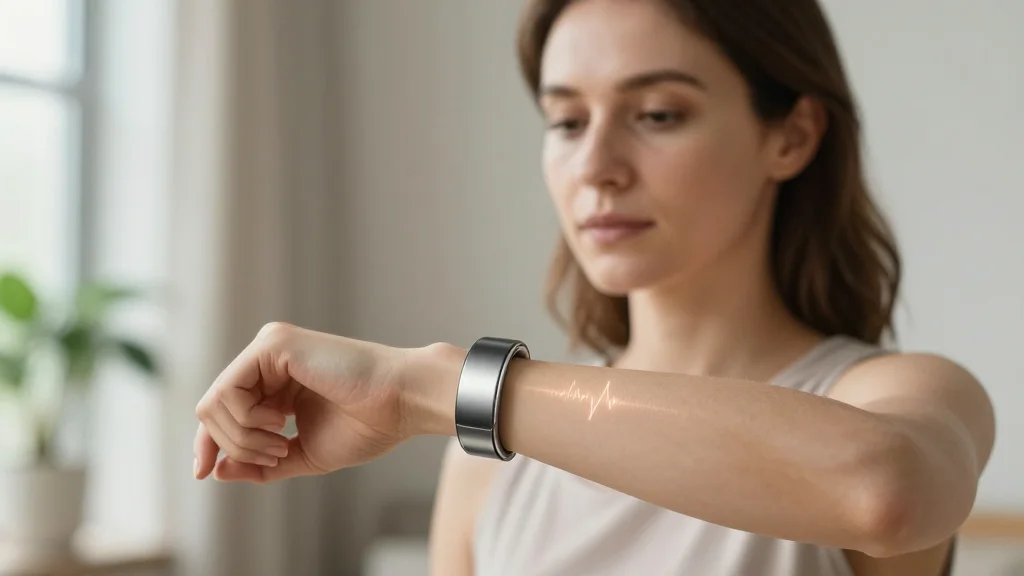
Study Finds Cardiovascular Scores Drop Sharply in Perimenopause, Raising Biohacking Alert

Why It Matters
The perimenopausal period has long been overlooked in cardiovascular risk models, despite representing a biologically volatile phase for women. By quantifying the LE8 decline, the new analysis provides a data‑backed rationale for earlier, gender‑tailored interventions, a core tenet of modern biohacking. Addressing this hidden risk could reduce long‑term heart disease incidence, lower healthcare costs, and empower women to take control of their health trajectories. Beyond individual outcomes, the findings could catalyze a shift in the broader health‑tech market toward female‑centric solutions. Companies that can integrate hormonal monitoring with real‑time cardiovascular analytics stand to capture a rapidly expanding segment of consumers seeking proactive, personalized care during midlife transitions.
Key Takeaways
- •Median LE8 score drops from 73.3 (premenopause) to 69.1 (perimenopause) in a study of 9,000+ women
- •Blood pressure, cholesterol, and fasting glucose show the steepest declines during perimenopause
- •Researchers urge clinicians to begin counseling and treatment before menopause onset
- •Wearable and AI‑driven health platforms are poised to target the perimenopausal window
- •A prospective trial will test lifestyle interventions aimed at keeping LE8 scores above 70 during perimenopause
Pulse Analysis
The new LE8 analysis arrives at a moment when the biohacking industry is pivoting from generic wellness hacks to highly individualized, data‑rich protocols. Historically, most consumer‑focused cardiovascular tools have treated men and women as a single cohort, ignoring the hormonal nuances that drive risk in midlife women. This study forces a re‑examination of that approach, offering a quantifiable metric that can be embedded into existing health dashboards.
From a market perspective, the findings unlock a niche that investors have already begun to explore. Startups that combine continuous glucose monitoring, blood pressure cuffs, and hormone assays with machine‑learning risk models can now claim clinical relevance backed by a peer‑reviewed publication. This validation is likely to accelerate funding rounds and spur partnerships with electronic health record vendors seeking to embed gender‑specific alerts.
Looking ahead, the real test will be whether early interventions can flatten the LE8 curve. If prospective trials confirm that lifestyle tweaks or targeted supplements preserve cardiovascular scores, we could see a new standard of care that integrates biohacking tools into routine clinical practice. Such convergence would blur the line between DIY health optimization and evidence‑based medicine, reshaping how women manage heart health throughout the perimenopausal transition.
Study Finds Cardiovascular Scores Drop Sharply in Perimenopause, Raising Biohacking Alert
Comments
Want to join the conversation?
Loading comments...