Study Finds Phosphatidylcholine Loss Drives Mitochondrial Aging, Reversible in Days

Why It Matters
The identification of phosphatidylcholine as a modifiable driver of mitochondrial aging bridges a gap between basic cell biology and practical biohacking. By linking a specific, diet‑accessible molecule to the structural integrity of cellular power grids, the research offers a tangible target for interventions that could delay or reverse functional decline. For the anti‑aging community, this means a shift from speculative gene‑editing or high‑cost therapeutics toward more accessible nutritional strategies, potentially democratizing longevity science. Beyond individual health, the findings could reshape biotech investment priorities. Venture capital has poured billions into senolytics, NAD⁺ precursors, and mitochondrial enhancers; a lipid‑focused platform may attract new funding streams, especially if early human data confirm rapid, measurable benefits. Moreover, the work underscores the importance of metabolic plasticity as a unifying concept across age‑related diseases, suggesting that restoring membrane flexibility could have ripple effects on metabolic disorders, neurodegeneration, and cardiovascular health.
Key Takeaways
- •Researchers at the Leibniz Institute on Aging identified phosphatidylcholine loss as a key cause of mitochondrial fragmentation in aging cells.
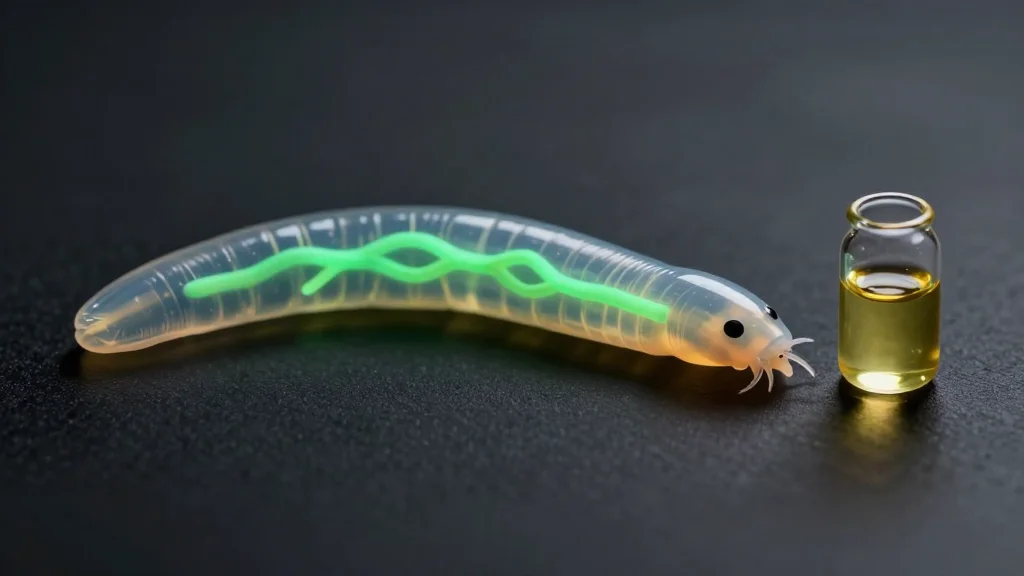
- •Feeding *C. elegans* phosphatidylcholine or choline restored youthful mitochondrial networks within 48 hours.
- •The study combined worm models, human cell cultures, and large clinical datasets to validate the lipid’s role across species.
- •Phosphatidylcholine is already present in dietary supplements, opening a fast‑track path for anti‑aging biohacking applications.
- •A Phase 1 safety trial in humans is planned for early 2027 to assess dosage, bioavailability, and functional outcomes.
Pulse Analysis
The phosphatidylcholine discovery arrives at a crossroads where biohacking, academic research, and commercial longevity ventures intersect. Historically, mitochondrial dysfunction has been blamed on DNA damage, oxidative stress, or protein misfolding. By spotlighting a membrane lipid that can be replenished through diet, the study reframes mitochondrial aging as a reversible, nutritionally tractable process. This paradigm shift could accelerate the adoption of evidence‑based supplementation protocols, moving the field away from the speculative hype that has sometimes plagued anti‑aging claims.
From a market perspective, the finding is likely to stimulate a wave of product development. Companies that already sell lecithin or choline supplements may rebrand or reformulate to emphasize mitochondrial fusion benefits, while new entrants could pursue patented delivery systems that target phosphatidylcholine to mitochondria. However, the hype cycle must be tempered with rigorous clinical validation; premature consumer uptake could lead to regulatory scrutiny, especially if claims outpace data.
Strategically, the research underscores the value of cross‑species, multi‑omics approaches. By integrating worm genetics, human cell assays, and population‑scale lipidomics, the team built a compelling causal narrative that is rare in aging research. If subsequent mouse and human trials replicate the rapid reversibility seen in worms, phosphatidylcholine could become a cornerstone biomarker for metabolic plasticity, guiding personalized biohacking regimens. In the longer term, the work may inspire a broader class of interventions that focus on membrane composition, expanding the toolkit beyond enzymes and co‑factors to the very scaffolding that underpins cellular energetics.
Study Finds Phosphatidylcholine Loss Drives Mitochondrial Aging, Reversible in Days
Comments
Want to join the conversation?
Loading comments...