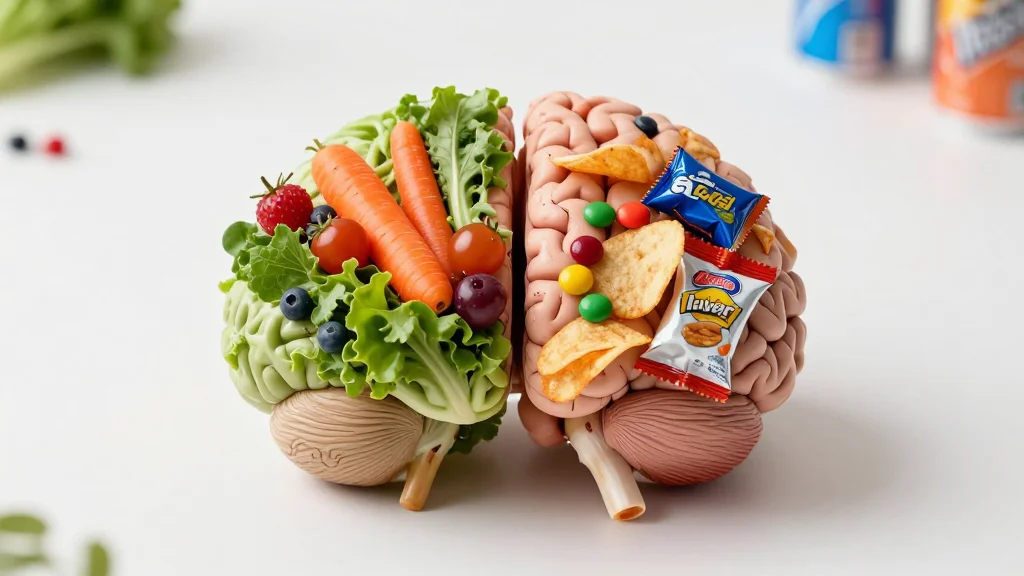
Study Finds Ultra‑Processed Foods Cut Attention Scores, Raising Biohacking Concerns

Why It Matters
The study bridges nutrition science and the biohacking movement by providing concrete evidence that ultra‑processed foods can erode attention—a core performance metric for many self‑optimizers. As biohackers adopt increasingly sophisticated tools to monitor cognition, understanding dietary contributors becomes essential for designing effective interventions. Moreover, the link to elevated dementia risk adds a long‑term health dimension, prompting a reevaluation of convenience‑driven eating habits that dominate modern lifestyles. By quantifying the cognitive penalty of processed foods, the research offers a measurable target for biohackers seeking to enhance mental acuity. It also raises policy questions about food labeling and public health messaging, potentially influencing future regulations that could benefit both the general public and the niche community of performance‑focused individuals.
Key Takeaways
- •Study of 2,192 Australians links each 10% rise in ultra‑processed foods to a 0.05‑point drop in attention scores
- •Ultra‑processed foods accounted for 41% of total energy intake across participants
- •Higher intake also added 0.24 points to predicted 20‑year dementia risk
- •Mediterranean diet benefits vanished when ultra‑processed foods remained in the diet
- •Findings challenge convenience‑based nutrition strategies common among biohackers
Pulse Analysis
The Monash study arrives at a pivotal moment when the biohacking ecosystem is saturated with data‑driven self‑experimentation tools—from EEG headsets to AI‑powered diet apps. Historically, biohackers have emphasized macronutrient ratios, supplementation, and sleep hygiene, often overlooking the processing level of foods. This research injects a new variable into the optimization equation: the degree of industrial processing itself may be a hidden inhibitor of cognitive performance.
From a market perspective, the findings could catalyze growth in niche food products that promise minimal processing, such as “clean‑label” snacks and ready‑to‑eat meals made from whole ingredients. Companies that can certify low‑processing levels may gain a competitive edge among consumers who track attention metrics. Simultaneously, wearable tech firms might integrate processing‑score analytics into their platforms, offering users real‑time feedback on how specific meals affect their neurocognitive outputs.
Looking ahead, the biohacking community is likely to push for interventional trials that test whether eliminating ultra‑processed foods can reverse attention deficits. If such studies confirm causality, we could see a shift toward diet‑centric protocols that rival traditional nootropics in popularity. The broader implication is a redefinition of “optimal nutrition” that aligns with both short‑term performance goals and long‑term brain health, potentially reshaping dietary guidelines for a generation that measures success in data points.
Study Finds Ultra‑Processed Foods Cut Attention Scores, Raising Biohacking Concerns
Comments
Want to join the conversation?
Loading comments...