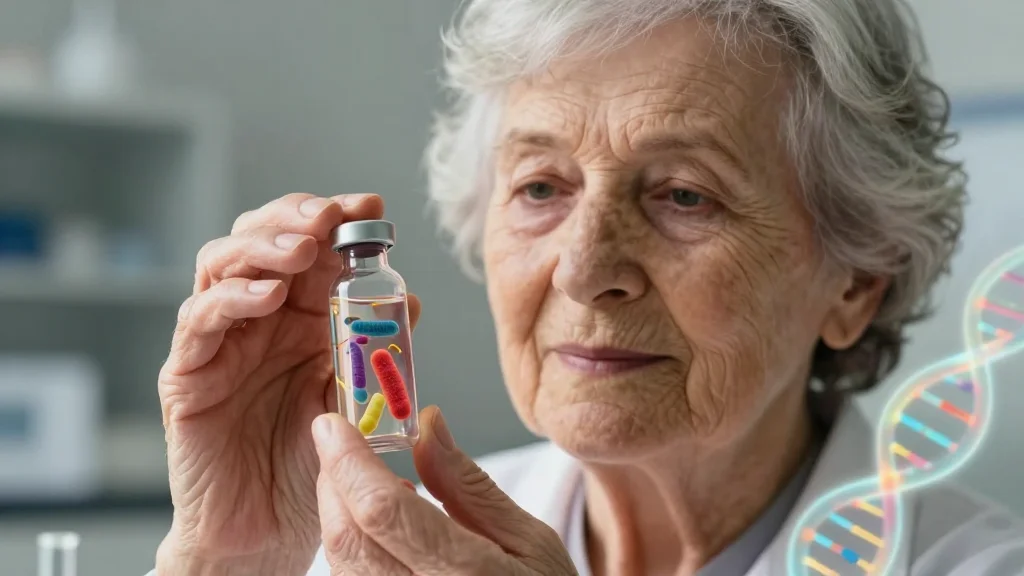
Study of 117‑Year‑Old Maria Branyas Morera Uncovers Youthful Epigenetics and Microbiome

Why It Matters
The study bridges two traditionally separate strands of longevity research—epigenetic aging clocks and gut microbiome composition—by showing they can both reflect a youthful biological state in an extreme age cohort. If the mechanisms identified prove reproducible, they could inform anti‑aging interventions ranging from epigenetic editing to targeted probiotic regimens, accelerating the translation of bio‑hacking concepts into clinically validated therapies. Moreover, the work challenges the assumption that telomere shortening inevitably leads to disease, suggesting that in certain contexts short telomeres might confer protective effects. This nuance could reshape how researchers evaluate cellular senescence markers in drug development and personalized medicine.
Key Takeaways
- •Multi‑omics analysis of 117‑year‑old Maria Branyas Morera published in Cell Reports Medicine
- •Epigenetic clocks showed tissue ages 10‑30 years older, yet ribosomal‑DNA clock indicated mid‑90s cellular function
- •Telomeres were unusually short, possibly limiting cancer‑promoting cell division
- •Gut microbiome dominated by infant‑type Bifidobacterium linked to Mediterranean diet and three daily cups of yogurt
- •Researchers propose diet‑driven microbiome modulation as a low‑risk longevity strategy
Pulse Analysis
The Branyas Morera study arrives at a moment when the bio‑hacking community is increasingly focused on data‑driven longevity hacks, from CRISPR‑based epigenetic reprogramming to at‑home microbiome sequencing kits. Historically, anti‑aging research has been split between molecular clock scientists, who view DNA methylation as the gold standard for biological age, and microbiome researchers, who argue that gut health is the primary driver of systemic inflammation. This paper unites the two, suggesting that a youthful epigenetic signature may be sustained—or even restored—by a gut environment that mirrors that of early life.
From a market perspective, the findings could energize several sectors. Nutraceutical firms may accelerate development of probiotic formulations that mimic the infant‑type microbiome, while biotech startups working on epigenetic editing could leverage the data to validate target pathways that remain plastic even in extreme old age. However, the study also underscores the limits of extrapolation: Branyas Morera’s genetics, lifelong habits, and stochastic health events are unique, and replicating her profile in the general population may prove challenging.
Looking ahead, the next wave of research will need to move beyond single‑case studies to larger cohorts, integrating longitudinal data to distinguish cause from correlation. If future work confirms that specific dietary patterns and probiotic regimens can reliably shift epigenetic clocks, the bio‑hacking field could shift from speculative DIY protocols to evidence‑based, clinically vetted interventions, potentially reshaping public health approaches to aging.
Study of 117‑Year‑Old Maria Branyas Morera Uncovers Youthful Epigenetics and Microbiome
Comments
Want to join the conversation?
Loading comments...