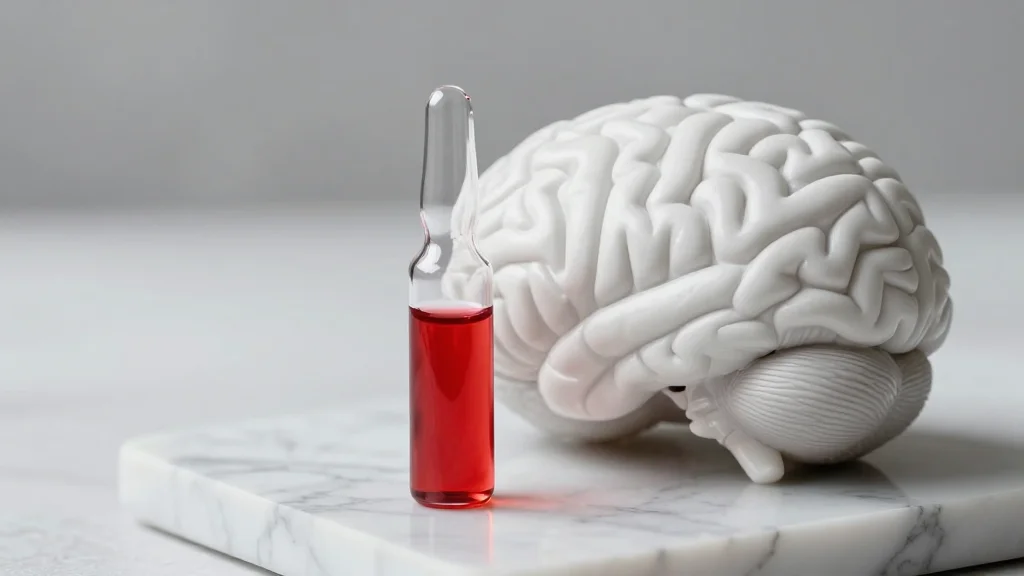
Swedish Study Links Anemia to Higher Dementia Risk, Flagging Iron Deficiency for Longevity Hackers

Why It Matters
The study bridges two traditionally separate health domains—hematology and neurology—by demonstrating that a common, treatable condition directly influences dementia pathways. For the biohacking ecosystem, which thrives on quantifiable, reversible levers of health, iron deficiency emerges as a low‑cost, high‑impact target. Addressing anemia could reduce the burden of dementia, a disease projected to affect 152 million people globally by 2050, and align with the broader goal of extending cognitive healthspan. Moreover, the research underscores the importance of integrating routine blood work into longevity protocols. As biohackers adopt increasingly sophisticated monitoring technologies, incorporating hemoglobin and iron metrics could become a standard component of personalized brain‑health regimens, driving demand for diagnostic services and nutraceutical solutions.
Key Takeaways
- •Study of 2,200 Swedish seniors links anemia to higher Alzheimer’s biomarker levels and increased dementia incidence.
- •Low hemoglobin associated with a dose‑response rise in dementia risk, even after adjusting for major health confounders.
- •Globally, 1.62 billion people suffer from iron‑deficiency anemia, representing a massive, modifiable risk pool.
- •India reports alarming anemia rates: two‑thirds of children under five and over half of women of reproductive age are affected.
- •Findings prompt biohackers to prioritize iron status monitoring and correction as a strategy for cognitive longevity.
Pulse Analysis
The Swedish study arrives at a pivotal moment when the biohacking market is shifting from niche supplementation to integrated health platforms. Historically, longevity research has focused on high‑tech interventions—gene editing, senolytics, and neuro‑stimulation—often overlooking basic nutritional deficiencies. This research re‑centers the conversation on a micronutrient that is both inexpensive and widely accessible, potentially democratizing cognitive‑health interventions.
From a market perspective, we can expect a surge in demand for point‑of‑care hemoglobin testing kits, AI‑driven dietary recommendations, and iron‑focused nutraceuticals. Companies that can combine real‑time blood‑oxygen monitoring with personalized iron supplementation protocols will likely capture a sizable share of the growing longevity consumer base. Additionally, insurers may begin to recognize anemia screening as a preventive measure for dementia, influencing reimbursement models.
Looking forward, the critical test will be interventional trials that demonstrate reversal of biomarker trajectories through iron repletion. If such studies confirm causality, we could see a paradigm shift where anemia treatment becomes a standard component of dementia prevention guidelines, mirroring how blood pressure control transformed cardiovascular risk management. For biohackers, the implication is clear: integrating iron status into daily health dashboards could become as routine as tracking sleep or heart rate, turning a centuries‑old health issue into a modern longevity hack.
Swedish Study Links Anemia to Higher Dementia Risk, Flagging Iron Deficiency for Longevity Hackers
Comments
Want to join the conversation?
Loading comments...