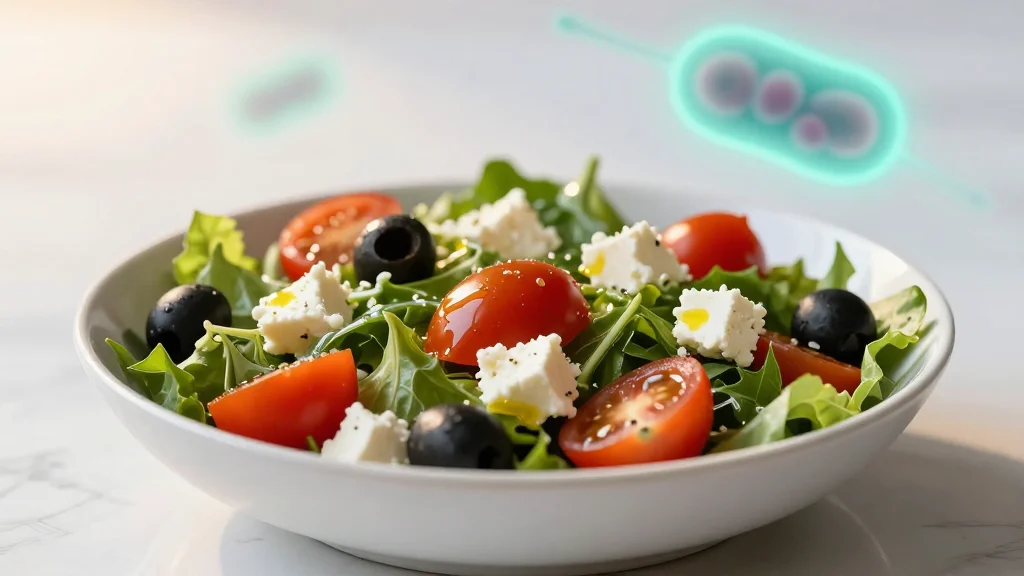
USC Study Links Mediterranean Diet to Cellular Anti‑Aging Proteins

Why It Matters
The discovery of a diet‑induced increase in mitochondrial microproteins bridges a gap between nutrition and cellular aging research, offering biohackers a measurable target for longevity interventions. By linking a widely practiced eating pattern to concrete biochemical changes, the study could shift the focus from anecdotal health hacks to data‑driven dietary protocols. Beyond individual users, the findings may influence clinical guidelines and the development of functional foods aimed at boosting humanin and SHMOOSE. If larger trials confirm the protective effects, insurers and health systems might incorporate Mediterranean‑style eating plans into preventive care programs, amplifying the public‑health impact of a diet already praised for cardiovascular benefits.
Key Takeaways
- •USC pilot of 49 seniors links Mediterranean diet to 30% higher humanin and SHMOOSE levels
- •Higher microprotein levels correspond with lower oxidative‑stress markers
- •Extra‑virgin olive oil identified as a primary driver of protein elevation
- •Quotes from lead researcher Roberto Vicinanza and nutritionist Jim LaValle provide expert context
- •Findings offer a measurable biomarker for biohackers seeking diet‑based longevity hacks
Pulse Analysis
The USC study arrives at a pivotal moment for the biohacking ecosystem, which has increasingly demanded hard data to justify lifestyle interventions. Historically, the Mediterranean diet’s reputation rested on epidemiological outcomes—reduced heart disease, lower dementia incidence, and longer lifespan. By pinpointing humanin and SHMOOSE as diet‑responsive microproteins, the research supplies a mechanistic narrative that can be quantified, tracked, and potentially optimized.
From a market perspective, this could catalyze a new wave of nutraceuticals and functional foods engineered to amplify these peptides. Companies already investing in peptide‑based supplements may pivot to formulations that mimic the olive‑oil polyphenol profile, positioning themselves at the intersection of food science and biotech. Moreover, wearable and at‑home testing platforms could soon incorporate humanin and SHMOOSE assays, turning a once‑abstract concept into a daily data point for consumers.
However, the study’s limited size tempers enthusiasm. Biohackers are accustomed to rapid iteration, but the scientific community will likely demand larger, multi‑center trials before endorsing widespread adoption. The next logical step is a randomized controlled trial with diverse demographics to assess whether the protein boost translates into clinically meaningful outcomes—slower telomere attrition, reduced frailty, or improved cognitive scores. Until such evidence emerges, the Mediterranean diet remains a low‑risk, high‑reward strategy, but its positioning as a precision‑biohacking tool will hinge on future validation.
USC Study Links Mediterranean Diet to Cellular Anti‑Aging Proteins
Comments
Want to join the conversation?
Loading comments...