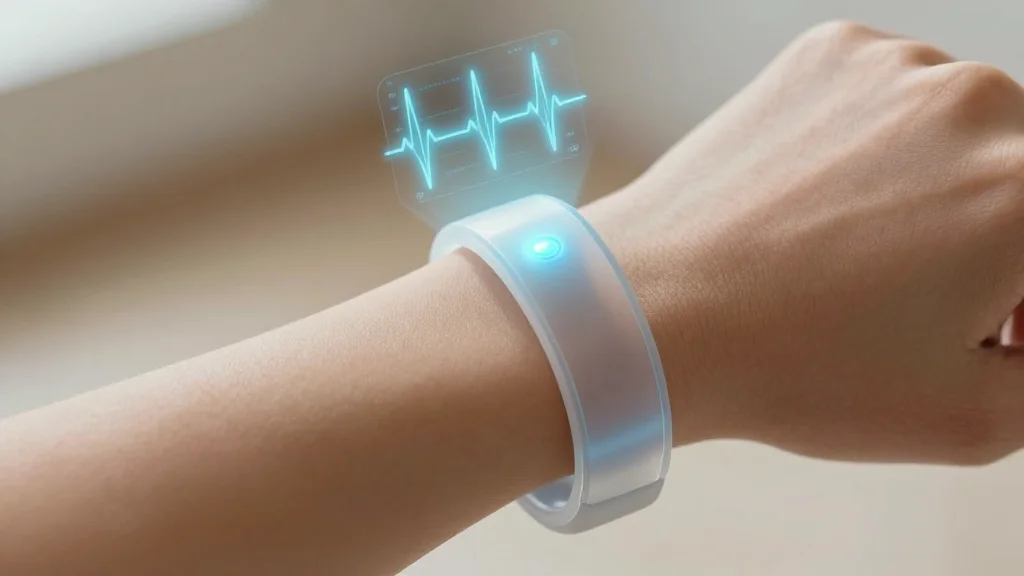
Wearable AI Tools Target Chronic Disease in New Longevity Series

Why It Matters
The focus on wearable and AI technologies marks a shift from speculative anti‑aging interventions to concrete disease‑prevention strategies, aligning the biohacking community with mainstream public‑health goals. By targeting chronic conditions that affect the majority of the population, these tools could reduce healthcare costs, extend productive years, and reshape how individuals manage their health data. Moreover, the episode highlights a critical tension between rapid commercial investment and scientific rigor. If the promised benefits materialize, biohackers could gain validated, scalable solutions; if not, the field risks a backlash that may tighten regulatory scrutiny and erode public trust.
Key Takeaways
- •Kara Swisher premiered a new episode on May 2 highlighting wearable and AI tools against chronic disease.
- •The episode features continuous glucose monitors, inflammatory‑tracking patches, and AI‑driven health platforms.
- •Dr. Steven Austad compared the potential impact of these technologies to the introduction of antibiotics.
- •Venture capital is heavily funding bio‑hacking wearables, but scientists warn about oversimplifying aging biology.
- •CDC data shows chronic conditions affect 60% of young adults and 90% of older adults in the U.S.
Pulse Analysis
The emergence of AI‑enabled wearables as a cornerstone of longevity strategy reflects a maturation of the biohacking market. Early‑stage hype around gene‑editing and nanotech has given way to incremental, data‑driven interventions that can be deployed at scale. This transition mirrors the broader health‑tech evolution where consumer devices—once dismissed as gimmicks—now feed into clinical decision‑making pipelines. Investors are responding by allocating capital to platforms that can demonstrate measurable reductions in biomarkers linked to heart disease, diabetes, and cancer, rather than chasing unproven anti‑aging panaceas.
Historically, longevity research has oscillated between grand theories and pragmatic public‑health measures. The sanitation revolution of the early 20th century, for example, dramatically extended life expectancy by eliminating infectious disease. Swisher’s framing of chronic disease mitigation as the modern equivalent suggests a potential paradigm shift: biohackers may become the primary adopters of preventive technologies that were once the domain of physicians. However, the regulatory gray area surrounding wellness devices could become a flashpoint. If large‑scale studies validate the efficacy of these wearables, regulators may be compelled to tighten oversight, which could both legitimize the market and raise barriers to entry.
Looking forward, the convergence of high‑resolution biosensing, machine‑learning analytics, and personalized medicine could create a feedback loop that accelerates healthspan gains. Yet the sector’s success hinges on transparent data practices, robust clinical validation, and equitable access. Biohackers who champion open‑source standards and collaborative research may help steer the industry toward outcomes that benefit the broader public rather than a privileged few.
Wearable AI Tools Target Chronic Disease in New Longevity Series
Comments
Want to join the conversation?
Loading comments...